Industry Insights & News
Freight & Logistics Insights
Expert analysis, shipping updates, and practical supply chain solutions from 25+ years of operational experience.
Blog
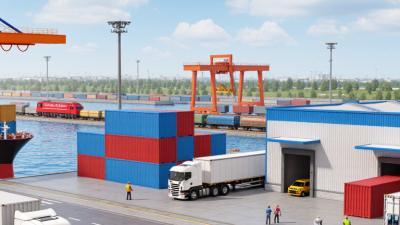
What Are the Top Types of Port Drayage Services?
Port Drayage Services connect ocean terminals with warehouses, rail ramps, distribution centers, and nearby customers. The work may look like a short truck movement, but each trip carries operational risk. A missed appointment can leave a container waiting under a hot afternoon sun. A delayed chassis can disrupt an entire delivery plan.
Gene Seroka, Executive Director of the Port of Los Angeles, has said, “The supply chain is a team sport, and no one entity can solve these challenges alone.” His observation reflects the practical nature of drayage. Drivers, dispatchers, terminal operators, shippers, and warehouse teams must coordinate closely. Small timing errors can create expensive congestion.
This guide examines the top types of Port Drayage Services and explains where each model fits. It will cover live unloads, drop-and-hook moves, transloading, rail drayage, refrigerated container transport, and expedited deliveries. Each service has different equipment needs, appointment rules, cost pressures, and cargo requirements. Dry containers may require simple scheduling. Reefer loads demand temperature checks and reliable power connections. Rail-connected freight often needs precise handoffs between trucks and trains.
The categories are useful, but they are not perfectly separate. Real shipments often combine several service types. A container might leave a port, move to a transload facility, and continue by rail. That complexity deserves attention. Reliable providers use terminal experience, driver knowledge, tracking systems, and documented safety procedures. Yet even experienced teams can misjudge traffic, weather, or terminal conditions. Understanding those limits helps shippers choose a service based on actual cargo needs, not appealing labels.
Read more »
 By:Ethan
- September 17, 2026
By:Ethan
- September 17, 2026
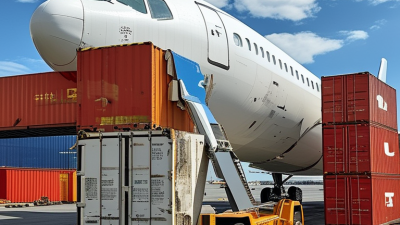
China Best ULD Buildup and Breakdown Services?
Choosing the right provider for ULD Buildup and Breakdown requires more than comparing handling rates. It demands careful attention to safety, timing, equipment condition, and operational consistency. A unit loaded incorrectly can delay a flight, damage cargo, or create avoidable rework at the warehouse.
Brendan Sullivan, IATA’s Global Head of Cargo, has described ULDs as “a critical component of the air cargo supply chain.” That view reflects daily reality. ULDs are not merely containers. They connect warehouse teams, ramp handlers, airlines, and cargo owners through every transfer.
The strongest service providers combine trained personnel with disciplined procedures. They inspect pallets, nets, doors, locks, and contour limits before release. They also record weight, dimensions, build details, and visible damage with practical accuracy. Small details matter. A loose strap matters.
This guide examines how to evaluate China-based ULD Buildup and Breakdown services. It considers airport coverage, warehouse capability, staff training, turnaround control, and communication quality. It also reviews how providers manage irregular shipments, changing flight schedules, and last-minute corrections within approved operational procedures.
There is no perfect supplier for every route. That is worth admitting. A provider serving Shanghai may not offer the same consistency in Shenzhen, Guangzhou, or inland airports. Results can also vary by shift, season, and cargo profile. Reliable decisions therefore require evidence, not attractive promises. Expect clear records, measurable service standards, and honest answers when performance falls short.
Read more »
 By:Olivia
- September 11, 2026
By:Olivia
- September 11, 2026
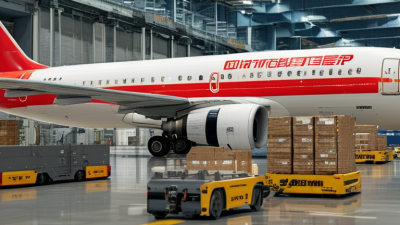
China Best Certified Cargo Screening Facility CCSF?
China’s air-cargo network is becoming more important to manufacturers, freight forwarders, and e-commerce supply chains. The International Air Transport Association’s 2024 full-year market analysis reported an 11.3% increase in global air-cargo demand. China’s Civil Aviation Administration also recorded approximately 7.35 million tonnes of cargo and mail throughput in 2023. These figures show why reliable screening capacity matters at busy gateways.
This guide examines how to identify the best Certified Cargo Screening Facility (CCSF) in China. The assessment focuses on authorization, trained personnel, screening technology, documented procedures, chain-of-custody controls, and audit readiness. A strong facility should manage ordinary export cargo efficiently, while protecting shipment integrity from acceptance to handover. Clear communication is equally important, especially when cargo arrives with incomplete records or changing flight schedules.
A ranking can mislead.
The “best” facility is not always the largest or newest. Location, service scope, operating hours, transit performance, and customer support can change the practical result. IATA’s 2024 data also showed capacity growth trailing demand, which may create pressure during peak periods. That limitation deserves attention. Public information can be incomplete, and facility performance may vary by route or season. Therefore, this comparison uses published industry data, regulatory information, operational indicators, and realistic shipper needs. Readers should verify current approvals and service details directly before making a procurement decision. Reliable screening is not a slogan; it is visible in consistent records, controlled handovers, and disciplined daily execution.
Read more »
By:Ethan
- September 11, 2026
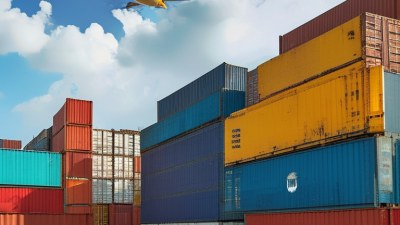
What Are the 2026 Top LCL Freight Consolidation Options?
In 2026, LCL Freight Consolidation remains a practical choice for shippers whose cargo cannot fill a container. Small shipments still need disciplined planning. They also need reliable handling at multiple transfer points.
UNCTAD’s Review of Maritime Transport 2024 states that maritime shipping carries over 80% of global merchandise trade by volume. That scale supports frequent consolidation services, but it does not guarantee smooth delivery. A pallet moving from Shenzhen to Rotterdam may pass through a warehouse, a deconsolidation center, and several customs checkpoints. Each handoff adds time and documentation risk.
The 2023 World Bank Logistics Performance Index highlights customs, infrastructure, international shipments, logistics competence, tracking, and timeliness as key performance areas. These measures provide a useful framework for comparing 2026 options. Traditional freight forwarders may offer broad port coverage and stronger local support. NVOCC consolidators can provide structured sailing schedules and controlled container planning. Digital freight platforms may improve quotation speed, milestone visibility, and shipment comparison. Buyer’s consolidation can also reduce empty space when several suppliers serve one destination.
No single option fits every cargo profile. That is the hard part.
A low rate may conceal destination charges, longer warehouse dwell time, or weak tracking. A premium service may not create meaningful value for non-urgent goods. The most credible choice should therefore balance total landed cost, transit consistency, cargo compatibility, insurance processes, and documented carrier performance. This guide compares the leading LCL Freight Consolidation options for 2026, while recognizing one uncomfortable truth: published schedules can change quickly when ports, weather, or capacity conditions shift.
Read more »
By:Ethan
- September 11, 2026