Optimizing Air Logistics Through Advanced ULD Buildup and Breakdown
Why off-airport Unit Load Device (ULD) processing at a Certified Cargo Screening Facility (CCSF) is the decisive operational advantage for modern freight forwarders, airlines, and global procurement managers.
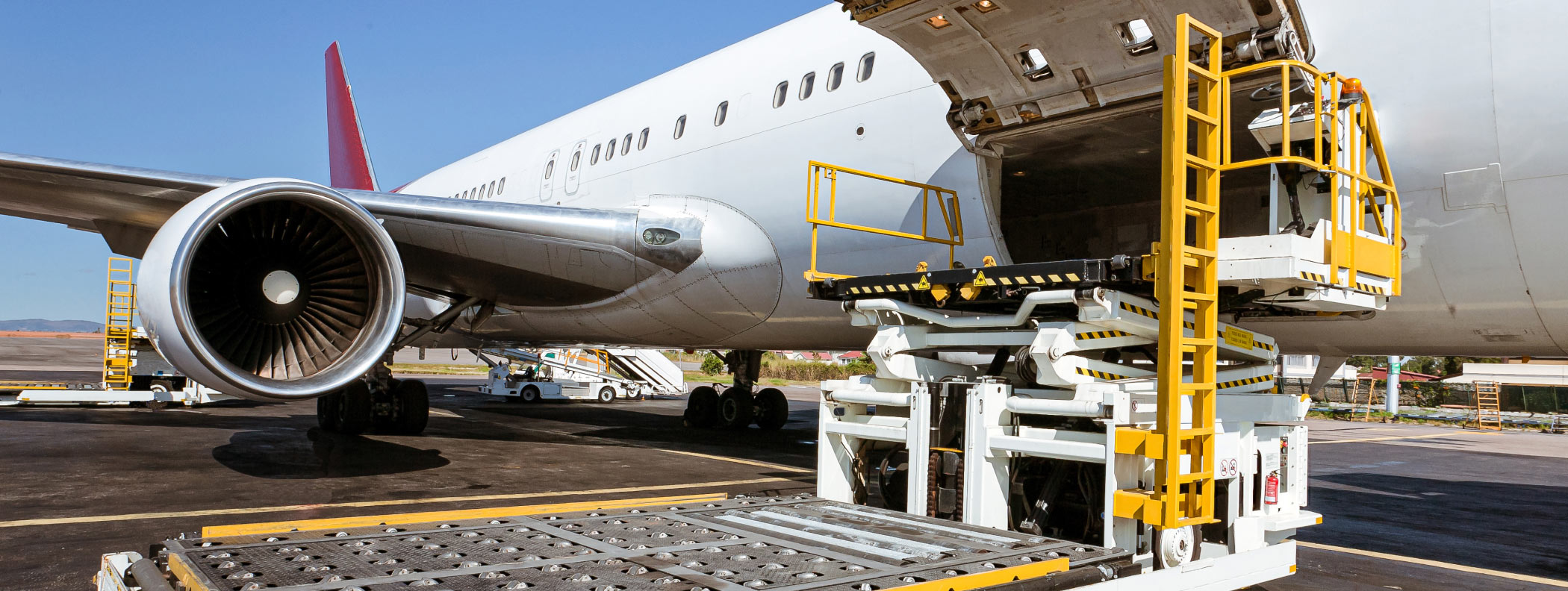
In global air freight transportation, the difference between profitable supply chain optimization and budget-draining transit delays comes down to how efficiently cargo is handled before it ever reaches the aircraft tarmac. **ULD Buildup and Breakdown**—the process of assembling loose, palletized, or bulk cargo onto specialized aviation Unit Load Devices (ULDs) or dismantling incoming ULD containers into individual shipments—serves as the foundational bridge between ground logistics and international air transport.
Unit Load Devices, such as PMC pallets, PAG lower-deck pallets, and AKE (LD3) enclosed containers, are precision-engineered aviation components governed by strict International Air Transport Association (IATA) and Federal Aviation Administration (FAA) regulations. Improperly built ULDs result in severe weight-and-balance safety hazards, aircraft fuselage damage, rejected loads at airport cargo terminals, and massive financial penalties due to inefficient volume contour utilization.
Information Gain Insight: The Off-Airport CCSF Advantage
Traditionally, air cargo was delivered loose to airline First-Line Ground Handling Agents (GHAs) at major hubs like Los Angeles International Airport (LAX). However, chronic airport terminal congestion, severe labor shortages, and TSA mandatory 100% cargo screening regulations have created multi-day dwell times. By utilizing Condor Cargo’s off-airport **Certified Cargo Screening Facility (CCSF)** located just minutes from LAX, cargo is screened, palletized, contour-built, and strapped onto ULDs prior to airport delivery. Built ULDs bypass airline screening lines and proceed directly to aircraft loading ramp doors—saving 24 to 48 hours in total transit time.
The Two Phases of Precision ULD Operations
Understanding the engineering and procedural rigor behind ULD operations is essential for enterprise procurement teams evaluating 3PL and air cargo handling partners:
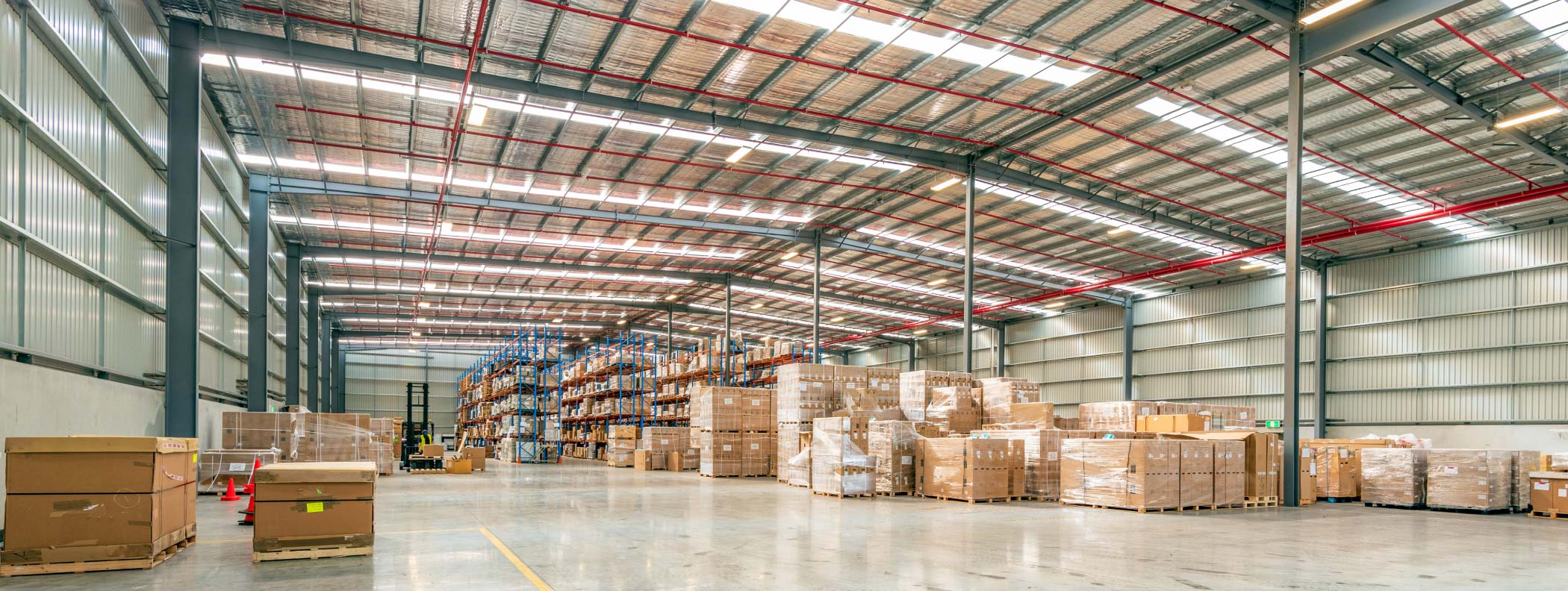
- 1. ULD Buildup (Outbound Export Handling): Cargo is received at our secure 160,000 sq. ft. warehouse, inspected for damage, dimensioned, weighed, and screened per TSA security protocols. Certified riggers then build the cargo onto aircraft pallets (e.g., 88” x 125” PMC or 96” x 125” PAG) using precision contour gauges matching the exact aircraft profile (Main Deck vs. Lower Deck, Narrowbody vs. Widebody like B77F, B747-8F, or A350). The cargo is then secured using heavy-duty cargo nets, straps, and corner protectors to withstand forces up to 9G during flight.
- 2. ULD Breakdown (Inbound Import Handling): Upon arrival of inbound international flights, intact ULD pallets and containers are transferred via roller-bed trailers directly from airport cargo terminals to our bonded facility. Our team unnets, de-consolidates, and breaks down the ULD contents under strict customs supervision. Cargo is sorted by House Air Waybill (HAWB), scanned, inspected for OS&D (Over, Short, and Damage), and made immediately available for local drayage, hot-shot trucking, or nationwide linehaul transportation.