In global supply chain management, ocean freight efficiency does not end when a container ship berths at port. For enterprise importers, freight forwarders, and procurement directors moving high-volume FCL (Full Container Load) shipments through North America's busiest gateways—specifically the Ports of Los Angeles and Long Beach (POLA/POLB)—the most financially sensitive phase begins the moment a 40ft high-cube or 20ft ISO container crosses the terminal gates. This critical operational junction is where professional Container Devanning Services make the difference between streamlined distribution and ruinous per-diem penalties.
Container devanning—also frequently referred to in maritime logistics as container stripping, unstuffing, or un-bundling—is the precise manual or automated process of unloading floor-loaded or palletized cargo from ocean shipping containers, inspecting it for damage, sorting by SKU, palletizing, shrink-wrapping, and preparing goods for immediate outbound truckload linehaul or cross-dock warehousing. As global trade shifts toward leaner inventory models and real-time replenishment, understanding how high-efficiency devanning operates within a 24-hour turnaround window is essential for modern procurement strategies.
Information Gain Executive Insight
Why Devanning Speed Dictates Total Landed Cost: Terminal free time at major U.S. ports has shrunk while demurrage and detention rates have surged. Failing to devan a container and return the empty equipment back to the ocean carrier within 48 to 72 hours of gate-out can incur demurrage costs ranging from $200 to $500 per container per day. Strategic container devanning turns fixed ocean assets into fluid inland distribution velocity.
Architectural Breakdown: What Are Container Devanning Services?
To fully grasp the scope of container devanning, global procurement teams must distinguish it from standard warehouse unloading. Ocean-bound containers are packed at overseas manufacturing facilities (e.g., across Asia, Europe, or South America) to maximize volumetric capacity. This frequently results in floor-loaded cargo—cartons, loose sacks, or heavy industrial items stacked manually from floor to ceiling without pallets to avoid shipping empty air.
When these floor-loaded containers arrive at U.S. ports, destination distribution centers are rarely equipped to receive unpalletized goods directly into their automated rack systems. Container devanning acts as the vital bridge between ocean shipping economics and domestic warehouse compatibility.
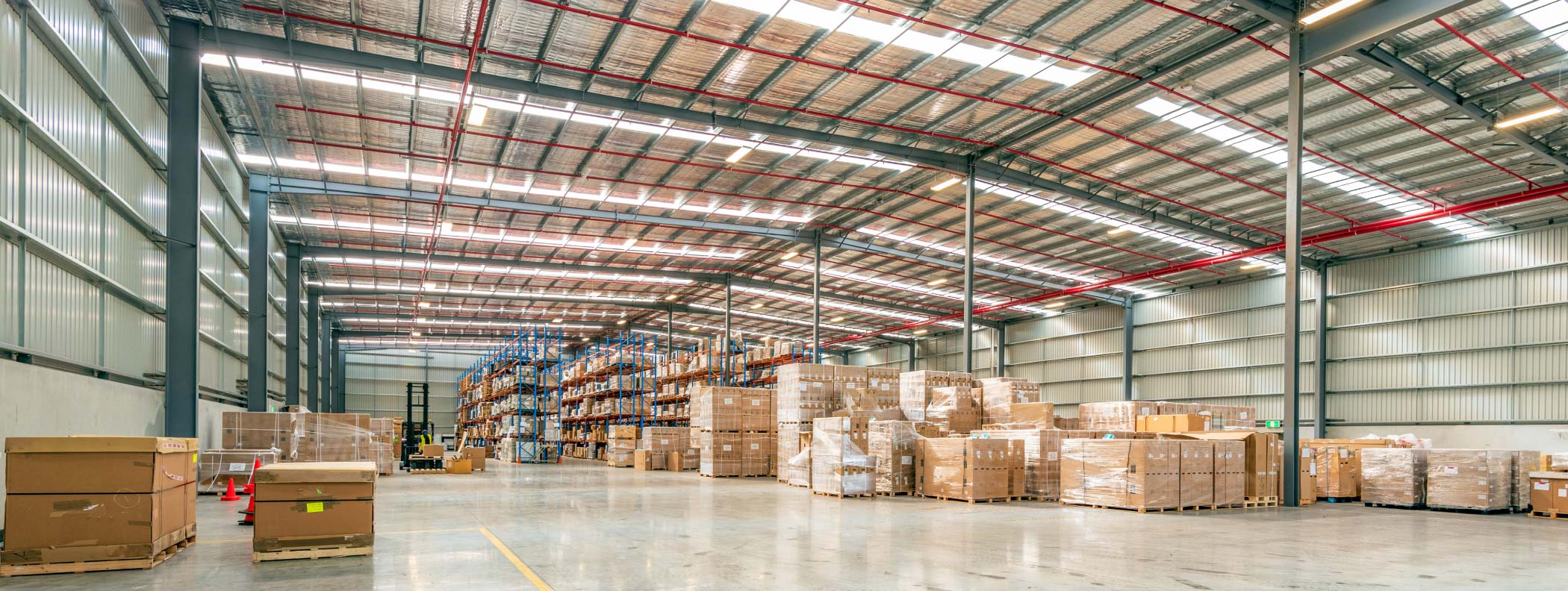 Figure 1: Cross-dock devanning operations in Condor Cargo's 160,000 sq. ft. Hawthorne, CA facility minutes from Port of LA.
 Core Operational Steps in Professional Container Devanning
- Drayage & Gate-In Monitoring: Container pulling via heavy drayage chassis directly from ocean terminals to a secure, nearby off-dock transload facility.
- Container Seal Verification & Inspection: Documenting ISO seal numbers, structural integrity, and checking for moisture intrusion or shifting prior to opening doors.
- Door Break & Safety Assessment: Carefully opening container doors equipped with safety restraint straps to prevent falling cargo hazards.
- Stripping / Unstuffing: Systematic unloading using specialized material handling equipment (such as clamp trucks, slip-sheet attachments, or heavy-duty forklift ramps) or experienced manual lumping crews.
- OS&D (Over, Short & Damaged) Audit: Immediate physical inspection and digital tallying against the master bill of lading (B/L) and packing list.
- Palletization, Banding & Shrink-Wrapping: Sorting goods onto GMA standard 48x40 pallets, applying commercial-grade stretch wrap, corner boards, and custom barcode labeling.
- Empty Container Return: Rapid drayage transport returning empty containers to terminal depots before per-diem detention timers expire.
Recommended Product Solutions & Tailored Devanning Service Packages
Not all containerized freight requires the same handling protocols. Condor Cargo engineers specific devanning workflows adapted to distinct industry verticals, packaging styles, and urgency levels:
| Devanning Package | Cargo Profile | Key Technical Features | Primary Procurement Benefit |
|---|---|---|---|
| Floor-Loaded High-Volume Stripping | Consumer goods, apparel, footwear, home electronics in loose cartons. | Multi-crew manual lumping, SKU-level sorting, automated pallet wrapping. | Maximized ocean container cube utilization with zero receiving delay at destination. |
| Heavy Machinery & OOG Devanning | Industrial equipment, automotive engines, raw metals, oversized crates. | Heavy-capacity forklifts (10K–30K lbs capacity), rigging gear, specialized ramps. | Eliminates structural risk during extraction; ensures compliance with OSHA standards. |
| Hazardous Materials (Hazmat / DG) | Chemicals, lithium batteries, flammable liquids, industrial solvents. | Certified Hazmat handlers, spill containment bunds, safety compliance documentation. | |
| Cross-Dock Rapid Transloading | Time-sensitive retail replenishment, perishable goods, seasonal inventory. | Direct container-to-53ft dry van transfer within 4 hours of facility arrival. | Avoids long-term storage fees and accelerates coast-to-coast linehaul transit. |
| Customs Bonded Devanning | In-bond shipments, uncleared import freight, duty-deferred cargo. | U.S. Customs Bonded Class 2/3 warehouse environment, strict security controls. | Allows cargo inspection, re-sorting, or deferral of duties until final release. |
Why Global Procurement Leaders Choose Condor Cargo
When evaluating third-party logistics (3PL) partners for enterprise container devanning services, reliability, location, and operational credentials dictate success. Built upon over 25 years of hands-on freight logistics expertise, Condor Cargo delivers an unmatched competitive advantage:
1. Strategic Port Proximity Reduces Drayage Transit
Our primary 160,000 square foot facility is located in Hawthorne, CA—just minutes from the Port of Los Angeles and Port of Long Beach, as well as Los Angeles International Airport (LAX). Additional strategic operations in Elk Grove Village, IL (Chicago hub) and Grapevine, TX (Dallas-Fort Worth hub) provide comprehensive coverage across key U.S. trade corridors. Proximity to port gates means shorter drayage haulage times, lower fuel surcharges, and faster container turns.
2. Robust Regulatory Certifications (E-E-A-T & Trustworthiness)
- TSA-Certified Cargo Screening Facility (CCSF): Fully authorized to handle and screen air-bound cargo directly following container devanning.
- CTPAT Compliant & U.S. Customs Bonded Facility: Guaranteed physical security, background-checked personnel, and authorized handling of in-bond international cargo.
- Hazmat Certified Operations: Trained specialists capable of safe unloading, placarding, and documentation of dangerous goods.
3. Experienced Leadership & Operational Specialists
Our operations are guided by seasoned industry experts who understand the granular realities of container logistics. Our warehouse execution is spearheaded by Filipo Robertson (Warehouse Manager), managing daily dock operations and lumping teams; Mike Eriksen (General Manager), overseeing ocean export and complex transloading contracts; Dernesha Bailey (Transportation & Transloading Manager), coordinating drayage dispatch and rapid container turnarounds; and Bruce Yun (Air Export Account Manager), managing seamless air-sea multimodal handoffs.

Rapid Agility
Our dedicated night shifts and flexible dock scheduling enable instant container devanning during off-peak port hours, cutting terminal congestion.

Innovative Cross-Docking
We convert 3x 40ft ocean containers into 2x 53ft domestic trailers, cutting domestic over-the-road freight costs by up to 33%.

25+ Years Experience
Deep expertise in handling high-risk floor-loaded containers, preventing cargo damage and claims before goods hit the road.
Future Procurement Trends in Container Devanning (2026–2030)
The landscape of global procurement and container shipping is undergoing a fundamental transformation driven by geopolitical shifts, port automation, and digital supply chain visibility. Forward-thinking logistics directors must anticipate these key trends when structuring their container devanning contracts:
1. The Shift to Strategic Off-Dock Port Buffer Nodes
Port congestion during peak shipping seasons (Q3/Q4) has permanently changed how importers manage container dwell times. Procurement teams are moving away from direct store delivery (DSD) models in favor of off-dock buffer warehousing. By pulling containers out of port terminals immediately and devanning them at near-port facilities, enterprise buyers decouple ocean carrier schedules from domestic distribution schedules, insulating themselves from unpredictable port demurrage spikes.
2. 40ft to 53ft Volumetric Cube Optimization
Rising domestic trucking rates make long-haul drayage of ocean containers economically inefficient. A major trend in devanning procurement is cube-out optimization. Three standard 40ft ocean containers hold approximately 7,170 cubic feet of cargo. Once devanned, sorted, and re-stacked into 53ft high-cube domestic intermodal trailers or dry vans, that same cargo fits into just two 53ft trailers. Procurement teams save over 30% on inland transportation costs while returning ocean equipment to port terminals within hours.
 Figure 2: Ocean shipping container management requires rapid off-dock stripping to avoid ocean carrier per-diem fees.
 3. Scope 3 Carbon Footprint Reduction & Sustainable Logistics
Environmental, Social, and Governance (ESG) mandates are now embedded in global procurement RFPs. Transloading ocean freight near ports dramatically reduces carbon emissions by replacing heavy container drayage trucks on long-haul interstate routes with optimized domestic freight carriers. Furthermore, recycled palletization programs and eco-friendly stretch wrap materials during devanning contribute directly to enterprise sustainability metrics.
Technological & Industry Trends Reshaping Container Unloading
Container devanning is shifting from a labor-heavy manual process into a technology-driven operational discipline. Key industry advancements include:
- AI-Powered Computer Vision for OS&D Inspection: High-resolution optical cameras installed at warehouse receiving bays capture 360-degree images of container interiors upon door opening. AI algorithms instantly detect carton deformation, crushed packaging, or wet spots, instantly outputting timestamped proof for insurance and vendor claims.
- Robotic Unloading & Automated Conveyor Ramps: Next-generation warehouse automation features articulating robotic arms capable of gripping loose, floor-loaded cartons of varying dimensions, speeding up stripping rates from 200 cartons per hour manually to over 900 cartons per hour automatically.
- Real-Time WMS / API Integration: Modern devanning operations feed instant inventory receiving updates directly into enterprise ERP systems (SAP, Oracle, NetSuite). Importers gain item-level inventory visibility the second a carton is scanned off an ocean container onto a pallet.
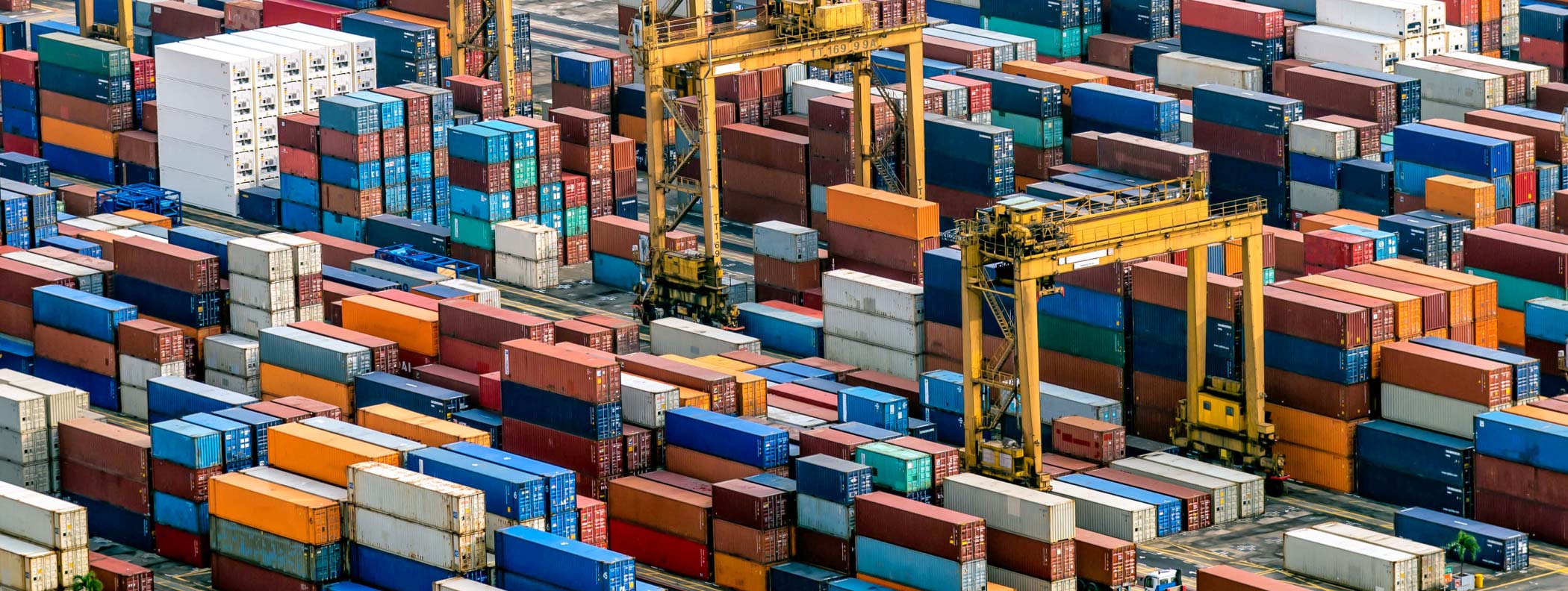 Figure 3: Outbound linehaul transportation following container devanning and pallet consolidation.
 Frequently Asked Questions (FAQ) – Procurement & Intent Mining
Below are authoritative responses to the most critical technical and financial questions asked by global procurement specialists regarding container devanning services: