1. Step Deck Trailer Transport Engineering & Architectural Specifications
In global supply chain logistics, moving cargo that exceeds standard flatbed height limits requires specialized equipment and structural foresight. Step deck trailer transport—also known as single-drop deck hauling—is the essential link for moving machinery, industrial components, and out-of-gauge (OOG) ocean freight that cannot fit inside standard enclosed dry vans or on traditional flatbeds without triggering costly over-height permit requirements.
A step deck trailer features two distinct deck levels: an upper deck designed to clear the tractor's fifth-wheel coupling mechanism and a lowered main deck that drops significantly closer to the road surface. By lowering the deck height from the traditional flatbed standard of 60 inches down to 36–42 inches, step deck trailers allow shippers to transport cargo up to 10 feet tall while remaining fully compliant with federal and state legal height restrictions (typically 13 feet 6 inches from ground to top of load across North America).
Core Step Deck Trailer Configurations & Fleet Capabilities
Condor Cargo deploys a versatile open-deck fleet configured to handle diverse industrial profiles. Depending on load geometry, weight distribution, and loading site constraints, our engineering team selects the precise trailer architecture:
Standard Single-Drop Step Decks
Dimensions: 48 ft or 53 ft total length (10-11 ft upper deck, 37-42 ft lower deck).
Deck Height: 36 to 42 inches.
Best For: Tall industrial machinery, packaged boilers, transformers, and palletized heavy freight requiring overhead crane loading.
Step Deck Trailers with Ramps
Dimensions: 53 ft single-drop deck with integrated heavy-duty flip-category ramps.
Capacity: Up to 48,000 lbs continuous axle weight.
Best For: Wheeled and tracked construction machinery, excavators, tractors, and drive-on military equipment.
Extendable (Telescopic) Step Decks
Dimensions: Expandable lower deck stretching from 38 ft up to 65 ft.
Capacity: Variable heavy axle distribution.
Best For: Oversized structural beams, long industrial pipes, wind turbine components, and elongated structural steel.
Comprehensive Equipment Comparison Matrix
Understanding when to specify a step deck trailer versus alternative open deck or heavy-haul configurations is critical for optimizing freight expenditures and avoiding unnecessary state escort fees.
| Trailer Type |
Ground-to-Deck Height |
Max Legal Cargo Height |
Typical Payload Capacity |
Primary Industry Applications |
| Standard Flatbed |
60 inches (5.0 ft) |
8 ft 6 in (102 inches) |
48,000 lbs |
Standard lumber, steel coils, palletized cargo, bagged minerals |
| Step Deck (Single Drop) |
36 – 42 inches (3.0–3.5 ft) |
10 ft 0 in (120 inches) |
48,000 lbs – 52,000 lbs |
Tall machinery, agricultural units, OOG port transloading, skidded units |
| Double Drop Deck |
18 – 24 inches (1.5–2.0 ft) |
11 ft 6 in (138 inches) |
40,000 lbs – 45,000 lbs |
Ultra-tall industrial tanks, commercial HVAC units, specialized vessels |
| RGN (Removable Gooseneck) |
18 – 24 inches (1.5–2.0 ft) |
11 ft 6 in – 12 ft 0 in |
45,000 lbs – 150,000+ lbs |
Super-heavy mining gear, multi-ton caterpillars, massive transformers |
SEO & Intent Insight: Information Gain in Heavy Haul Logistics
"Choosing between a flatbed and a step deck isn't just about height clearance—it's a financial calculation. A load measuring 9'6" high on a flatbed requires over-height permits and designated routing across every state line. Shifting that exact same load to a 36-inch step deck eliminates permits entirely, saving up to $1,800 in regional transit fees and cutting 48 hours out of route clearance delays." — Senior Operations Team, Condor Cargo
2. Industrial Applications & Port Transloading Integration
As global trade patterns evolve, procurement managers face growing pressure to manage out-of-gauge (OOG) container shipments arriving at major U.S. oceanic gateways. Condor Cargo bridges ocean freight logistics with domestic ground haulage through specialized step deck trailer transport and port transloading services.
Port of Los Angeles & Long Beach Transloading Hub
Ocean container lines frequently penalize importers with steep demurrage and detention tariffs when flat-rack or open-top container equipment sits at terminal yards. Located just minutes from the Ports of LA and Long Beach, Condor Cargo’s 160,000-square-foot Hawthorne facility provides immediate drayage and devanning.
We safely strip heavy machinery, over-height crates, and un-skidded industrial gear from ocean flat-racks, perform rigged overhead lifts, and secure the freight directly onto step deck trailers. This rapid turnaround avoids port demurrage while transitioning cargo onto domestic step decks for cost-effective over-the-road transport.
- ✔ Heavy Overhead Rigging & Crane Operations
- ✔ Custom Dunnage, Block & Brace to DOT Standards
- ✔ U.S. Customs Bonded Warehousing & In-Bond Transfer
- ✔ Real-Time Photo Documentation & Load Verification
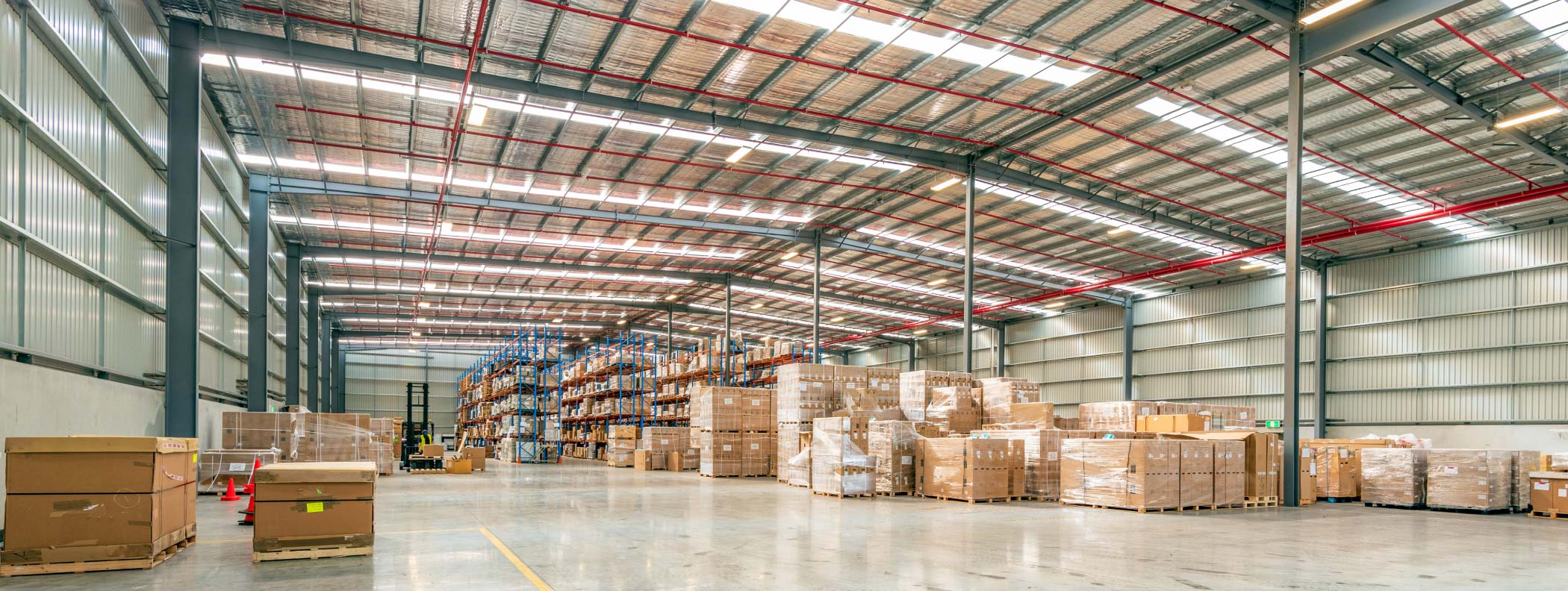 Port Transloading Specialists
Key Industry Sectors Utilizing Step Deck Hauling
Global procurement teams rely on Condor Cargo’s specialized step deck transport across several high-consequence industries:
- Energy & Power Generation: Moving skid-mounted generators, wind turbine hub assemblies, industrial switchgear, and step-up transformers requiring specific tie-down angle calculations.
- Civil Construction & Mining: Moving wheel loaders, boom lifts, directional drills, and crushing plants with drive-on capability using low-angle step deck ramps.
- Advanced Manufacturing & Aerospace: Shipping CNC milling centers, stamping presses, and aerospace tooling structures requiring tarping, climate protection, and air-ride suspension.
- Agricultural & Heavy Commercial Equipment: Transporting combines, tractors, and commercial shredders from coastal ports of entry to inland distribution networks.
3. Why Industry Leaders Partner with Condor Cargo for Step Deck Freight
For over 25 years, Condor Cargo has served as a trusted partner for international freight forwarders, global manufacturers, and enterprise supply chain directors. Our operational capabilities combine regulatory compliance, infrastructure, and experienced personnel.
Operational Agility
Rapid dispatch of specialized step deck, extendable drop deck, and lowboy trailers. Direct access to permit desks ensures multi-state route clearance without delays.
Custom Logistics Engineering
Three simple parameters—cargo profile, origin/destination, and deadline. Our heavy haul team engineers tie-down schemes, axle load distributions, and optimal routing.
25+ Years Proven Authority
Deep familiarity with port drayage, CCSF cargo screening, customs bonded operations, and federal DOT over-dimensional safety standards.
Strategic Facility Infrastructure
Condor Cargo operates nationwide infrastructure designed to support high-volume international trade corridors:
- Hawthorne, CA (Corporate HQ & Port Terminal): 12900 Simms Avenue, Hawthorne, CA 90250. 160,000 sq. ft. of secured, bonded space minutes from LAX and the Ports of LA/Long Beach. Call: (310) 945-5559.
- Elk Grove Village, IL (Midwest Freight Hub): 1000 Lunt Avenue, Elk Grove Village, IL 60007. Direct access to Chicago intermodal rail yards and heavy industrial corridors. Call: (630) 625-7229.
- Grapevine, TX (Southern Logistics Corridor): 751 Port America Place, Ste 425, Grapevine, TX 76051. Strategically positioned for USMCA cross-border and Gulf Coast heavy freight flows. Call: (808) 495-8196.
4. Future Procurement Trends in Step Deck & Heavy Haul Logistics (2026–2030)
The open deck and step deck transport landscape is shifting rapidly under the influence of digital transformation, environmental mandates, and changing global trade routes. Procurement executives must evaluate several emerging trends:
A. Automated Route Permitting & AI-Assisted Bridge Clearance
State DOT permit processing historically required manual review, taking days to approve routes for over-height loads. Modern heavy haul operations leverage AI-driven route optimization tools that scan real-time GIS bridge height databases, road construction updates, and overhead utility line clearances. This capability allows Condor Cargo to secure multi-state permits rapidly while minimizing route detours.
B. Smart Telematics & Real-Time Tie-Down Tension Monitoring
High-value machinery shipments require continuous verification of cargo security. Modern step deck transport utilizes IoT sensor networks installed on winch straps, grade 70/80 chains, and load binders. Drivers and fleet managers receive instant alerts if load tension drops, preventing cargo shift incidents before they disrupt transit.
C. Weight Reduction via Composite Trailer Architectures
Trailer manufacturers are increasingly integrating lightweight aluminum-steel hybrid frames and composite decking materials into step deck design. By reducing empty trailer tare weight by 1,500 to 2,500 lbs, carriers can offer buyers higher legal payload thresholds without triggering overweight permit tiers.
D. Nearshoring & USMCA Open-Deck Corridor Growth
As manufacturing shifts to North American locations, cross-border step deck transport between Mexico, the U.S., and Canada is growing rapidly. Handling cross-border heavy equipment requires expertise in customs bonding, border transloading, and dual-country permit execution—capabilities built directly into Condor Cargo's Texas and Illinois logistics hubs.
5. Macro Development Trends Shaping Open Deck Freight Engineering
Beyond technological upgrades, broader economic shifts continue to reshape open deck and step deck logistics strategies worldwide:
Decarbonization & Aerodynamic Tarps
Open deck loads face wind resistance that increases fuel burn. Advances in aerodynamic side-kit systems and automated rolling tarp enclosures (Conestoga systems) cut drag while protecting sensitive industrial machinery from weather exposure.
Port Demurrage Mitigation Strategies
Rising port storage rates require instant transloading capabilities. Offloading OOG cargo from ocean vessels directly to step deck trailers cuts detention charges and reduces ocean-to-inland transit times by 40%.
Strict DOT Load Securement Verification
Regulatory authorities are expanding roadside enforcement of WLL (Working Load Limit) standards. Rigorous driver training in chain angle mathematics and dunnage placement is essential for risk prevention.
6. Step Deck Trailer Transport: Frequently Asked Questions (FAQ)
Below are authoritative answers to the most common queries submitted by global procurement managers, logistics buyers, and supply chain coordinators:
Q1: What is the maximum legal cargo height on a step deck trailer without oversize permits?
In most U.S. states and Canadian provinces, the standard legal height limit from road surface to the top of the load is 13 feet 6 inches (some Western U.S. states allow up to 14 feet). Because a standard step deck lower deck sits 36 to 42 inches above the road, you can legally haul cargo that is 10 feet 0 inches tall (on a 42" deck) or 10 feet 6 inches tall (on a 36" deck) without needing over-height permits or pilot cars.
Q2: What is the main structural difference between a flatbed, a step deck, and an RGN trailer?
A flatbed trailer has a continuous flat deck sitting approximately 60 inches above the ground, limiting cargo height to 8.5 feet. A step deck trailer features a drop deck that lowers the load floor to 36-42 inches, allowing cargo up to 10 feet tall. An RGN (Removable Gooseneck) trailer drops even lower to 18-24 inches above the road and features a detachable front neck, allowing heavy self-propelled machinery to be driven directly onto the deck.
Q3: What is the legal payload weight capacity of a 53ft step deck trailer?
Standard tandem-axle step deck trailers can transport legal payloads up to 48,000 pounds without exceeding federal axle weight limits (20,000 lbs single axle, 34,000 lbs tandem axle, 80,000 lbs Gross Vehicle Weight). Tri-axle step deck configurations can haul up to 52,000 to 55,000 pounds legally, depending on state bridge formula restrictions and axle spacing.
Q4: How does Condor Cargo transload oversized ocean cargo from the Ports of LA and Long Beach?
When out-of-gauge (OOG) flat-rack or open-top containers land at the Ports of Los Angeles or Long Beach, our drayage fleet pulls the equipment directly to our nearby Hawthorne, CA facility. Our heavy rigging team unloads the machinery using specialized cranes and forklifts, loads it onto a step deck trailer, implements custom blocking and bracing, and dispatches it inland—eliminating port demurrage penalties.
Q5: When are escort vehicles (pilot cars) required for step deck transport?
Escort vehicle requirements vary by state regulations. Generally, pilot cars are mandatory when total load width exceeds 12 feet, total height exceeds 14 feet 6 inches to 15 feet, or total rear overhang exceeds state limits. Condor Cargo provides complete route surveying and escort management when permits are required.
Q6: Can drive-on equipment be loaded onto a step deck trailer?
Yes. Step deck trailers equipped with heavy-duty aluminum or steel loading ramps allow tractors, excavators, forklifts, and wheeled machinery to drive directly from ground level onto the lower deck. This eliminates the need for expensive loading docks or field cranes at destination sites.
Q7: How are delicate CNC machines or sensitive industrial electronics protected on step decks?
Condor Cargo utilizes custom heavy-duty tarping systems (including 18-oz lumber tarps and sliding Conestoga tarp systems) alongside air-ride trailer suspensions. Air-ride systems cushion cargo against road vibration, while tailored dunnage and shrink-wrap prevent moisture exposure during long-distance transit.
Q8: What is the cost structure per mile for step deck trailer transport across North America?
Step deck freight pricing typically ranges from $3.20 to $5.50 per mile for legal-dimension loads, depending on fuel surcharges, lane velocity, and seasonal demand. Over-dimensional shipments requiring state permits, route surveys, or escort services incur additional fee structures. Contact our pricing desk for exact real-time spot quotes.
Q9: How do loading dock heights affect step deck loading, and how are discrepancies resolved?
Standard commercial loading docks are 48 to 52 inches high, designed for standard dry vans and flatbeds. Because a step deck's lower floor is only 36 to 42 inches high, dock loading requires dock levelers, portable ramp risers, or side-loading using forklifts from ground level. Condor Cargo plans loading site mechanics in advance to ensure smooth execution.
Q10: Why choose Condor Cargo over standard freight brokers for heavy haul transport?
Unlike digital brokers who re-sell freight without touching the load, Condor Cargo operates physical asset infrastructure—including 160,000 sq. ft. of bonded warehousing, CCSF cargo screening authorization, dedicated port drayage units, and experienced heavy haul dispatch personnel. We take full operational ownership of your shipment from port origin to final delivery site.
Ready to Engineer Your Step Deck Transport Project?
Whether you are moving over-height industrial machinery from coastal ports or managing nationwide heavy equipment distribution, Condor Cargo delivers reliable, compliant, and cost-optimized open deck logistics.