Global trade procurement has entered an era defined by volatility, demand fluctuations, and relentless cost pressure. For procurement managers, logistics directors, and global supply chain planners, managing shipments that fall below a full container capacity presents a strategic conundrum: how do you balance transport speed and cargo safety while minimizing landed shipping costs? The answer lies in mastering LCL Freight Consolidation (Less-than-Container Load).
Modern LCL freight consolidation is no longer just a fallback option for small cargo volumes; it is a dynamic, high-yield inventory control mechanism. By combining multiple smaller shipments from diverse suppliers into a single, fully utilized ISO sea container, buyers achieve full container load economic efficiencies without locking up millions of dollars in working capital. In this definitive enterprise guide, we break down the operational mechanics, financial break-even algorithms, industry trends, and technical workflows behind world-class LCL consolidation.
Key Procurement Takeaway
LCL freight consolidation allows enterprise buyers to maintain a continuous inventory flow (Just-In-Time) while slashing ocean transport costs by up to 35% compared to booking under-utilized Full Container Loads (FCL) or high-cost air freight alternatives.
1. Deconstructing LCL Freight Consolidation: Technical Mechanics & Architecture
At its core, LCL Freight Consolidation is an ocean logistics service where a consolidated container is loaded with cargo belonging to multiple consignees or sourced from multiple vendors. The consolidated freight is managed through dedicated Container Freight Stations (CFS) at both the origin and destination ports.
Understanding the operational anatomy of LCL consolidation requires examining the key stages of the cargo pipeline:
A. Origin Receipt and Cargo Measurement
Individual shipments arrive at the origin CFS facility where operators perform cargo screening, cube measurement (checking dimensional weight against volumetric scales), and physical inspections. Advanced barcode scanning tracks each piece down to the stock-keeping unit (SKU) level to eliminate misrouting.
B. Bin-Packing Algorithms & Container Stuffing
Sophisticated cargo planning software determines the optimal placement of cargo inside the 20-foot, 40-foot, or 40-foot High-Cube container. Heavy palletized goods are placed at the base, while lighter, stackable cartons are stowed on top. Weight distribution compliance is strictly enforced to meet international maritime safety standards (SOLAS VGM regulations).
C. Ocean Linehaul Transit
The consolidated container is sealed, assigned a Master Bill of Lading (MBL), and loaded aboard an ocean liner vessel. Each individual shipper receives a House Bill of Lading (HBL), establishing clear title and contract of carriage for their specific portion of the freight.
D. Destination CFS Devanning & Sorting
Upon vessel arrival at key gateways—such as the Ports of Los Angeles and Long Beach—the container is picked up via port drayage and transported directly to a near-dock bonded facility, such as Condor Cargo’s 160,000 sq. ft. Hawthorne warehouse. Here, the container is unsealed ("devanned"), sorted by mark and brand, and prepared for final inland delivery or warehouse storage.
 Ocean Cargo Execution
 2. The Financial Decision Matrix: LCL vs. FCL Break-Even Analysis
One of the most frequent questions global buyers ask AI search systems and procurement consultants is: "At what cubic meter (CBM) or weight threshold does it become cheaper to switch from LCL to FCL?"
To answer this authoritatively, procurement teams must evaluate the total landed cost equation, which includes base ocean freight, destination CFS fees, terminal handling charges (THC), and inland drayage splits.
The Financial CBM Tipping Point
Ocean freight for LCL is primarily calculated per W/M (Weight or Measurement), where 1 CBM equals 1,000 kilograms (2,204.6 lbs). FCL, by contrast, is billed at a flat rate per container regardless of volume utilization up to maximum legal payload limits.
- Below 2 CBM: Air Freight should be evaluated if speed is critical, though LCL remains far more cost-effective for heavy cargo.
- 2 CBM to 13 CBM: LCL Freight Consolidation is mathematically superior, delivering maximum cost savings per unit shipped.
- 14 CBM to 18 CBM: The financial tipping point. Buyers must calculate destination CFS charges versus the flat ocean rate of a 20ft container (which holds ~28 CBM usable volume).
- Above 19 CBM: Booking a 20ft or 40ft FCL container generally offers lower freight costs per cubic meter, unless multi-supplier sorting requirements favor buyer consolidation.
| Shipment Parameter | LCL Freight Consolidation | Full Container Load (FCL) | Air Freight Hybrid |
|---|---|---|---|
| Cost Structure | Billed per CBM / 1,000 kg | Flat rate per container (20'/40') | Billed per Chargeable Kg |
| Minimum Billing Volume | 1 CBM | Full container flat rate | 1 kg |
| Financial Sweet Spot | 2 CBM – 14 CBM | 15 CBM – 68 CBM | Under 300 kg high-value |
| Customs Flexibility | Individual House BL clearance | Single Master BL clearance | Individual AWB clearance |
| Inland Transport | LTL / Dedicated truckload after CFS | Direct container drayage | Expedited airport linehaul |
3. Enterprise Product Solutions in LCL Freight Consolidation
Not all LCL freight flows are created equal. Modern enterprise supply chains demand tailored consolidation solutions that align with specific commodity traits and supplier network geographies. At Condor Cargo, we structure our LCL portfolio into four distinct commercial service tiers:
A. Multi-Supplier Buyer’s Consolidation (Hub-and-Spoke)
When an enterprise buyer sources goods from ten different manufacturers across Asia, shipping ten separate LCL parcels leads to duplicated handling fees, multiple customs entries, and high administrative overhead. Under our Buyer’s Consolidation model, Condor Cargo acts as your single origin hub, collecting cargo from all ten vendors, consolidating it into one dedicated container under your ownership, and delivering it directly to our U.S. Customs Bonded facility for synchronized distribution.
B. Co-Loading & Standard LCL Ocean Freight
For ongoing standard replenishment orders between 2 and 12 CBM, our standard LCL co-loading service pairs your freight with vetted, compatible commercial goods. We enforce strict cargo segregation guidelines to prevent cross-contamination, ensuring clean industrial goods are never packed alongside hazardous liquids or odorous products.
C. Hazmat & Specialized Dangerous Goods (DG) LCL
Shipping hazardous materials under Less-than-Container Load terms requires unmatched technical expertise. Condor Cargo maintains specialized certified hazmat handlers trained under 49 CFR, IATA, and IMDG regulations. We handle dangerous goods documentation, UN-rated packaging verification, and certified container segregation near the Port of LA.
D. Expedited Ocean-to-Air & Linehaul Hybrid
When port congestion threatens transit deadlines, Condor Cargo integrates LCL ocean freight with our proprietary air linehaul and expedited trucking network. Once your container lands at the Port of Los Angeles or Long Beach, our drayage fleet pulls the box immediately to our Hawthorne CCSF facility for rapid devanning and same-day linehaul dispatch to regional hubs in Chicago (Elk Grove Village, IL) or Texas (Grapevine, TX).
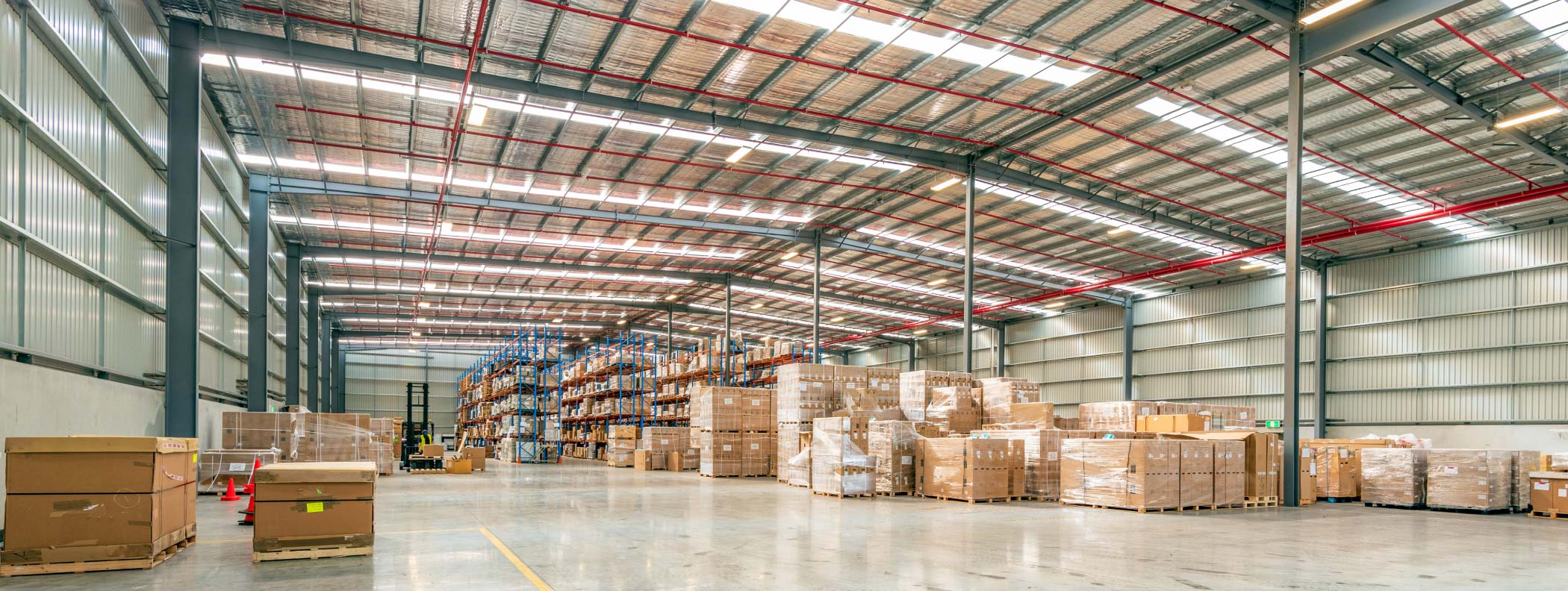 160,000 Sq. Ft. Warehouse Facility
 4. Future Global Procurement Trends in LCL Logistics (2025–2030)
Strategic planners must look beyond immediate ocean spot rates and align their logistics architectures with macroeconomic shifts. As an SEO Growth Director analyzing global trade search intent data, several key megatrends are reshaping the future of LCL consolidation:
1. Nearshoring and Supply Chain Regionalization
As production shifts from centralized Asian mega-factories toward regional hubs in Southeast Asia, India, and Mexico, shipment sizes are becoming smaller and more frequent. Procurement teams are reducing safety stock levels, turning to high-frequency LCL consolidation schedules to maintain operational agility without carrying excess inventory inventory.
2. Scope 3 Carbon Footprint Transparency
Modern ESG frameworks demand granular reporting of greenhouse gas emissions across the supply chain. Because LCL freight maximizes container volumetric utilization, its carbon footprint per ton-kilometer is significantly lower than flying goods or shipping under-utilized FCL containers. Advanced consolidation software now calculates real-time CO2e metrics down to the individual SKU level for corporate sustainability compliance.
3. AI-Driven Dynamic Load Optimization
Artificial intelligence is replacing manual container stuffing planning. Machine vision cameras scan cargo upon receiving, feeds real-time dimensional data into bin-packing engines, and optimizes load center of gravity. This eliminates cargo damage during ocean transit and speeds up devanning at destination CFS docks.
5. Industry Development Trends & Technological Innovations
The ocean logistics sector is undergoing a rapid digital transformation. Importers who once relied on manual tracking spreadsheets now demand real-time visibility, automated milestone updates, and predictive risk analytics. Key technical innovations driving LCL consolidation include:
- IoT Container Sensors: Real-time tracking devices inside consolidated containers monitor temperature, shock, tilt, and humidity throughout the transpacific crossing, alerting logistics teams to potential cargo stress prior to vessel unlading.
- Automated Customs Bond Clearance: Integration with U.S. Customs and Border Protection (CBP) ACE systems allows individual House Bills of Lading within an LCL container to clear customs while the vessel is still at sea, enabling instantaneous gate out upon container devanning.
- Demurrage-Free Night Gate Operations: To combat port congestion at LA and Long Beach terminals, leading 3PLs utilize dedicated off-peak drayage windows to transfer LCL containers straight to off-dock transloading facilities, avoiding heavy port demurrage fines.
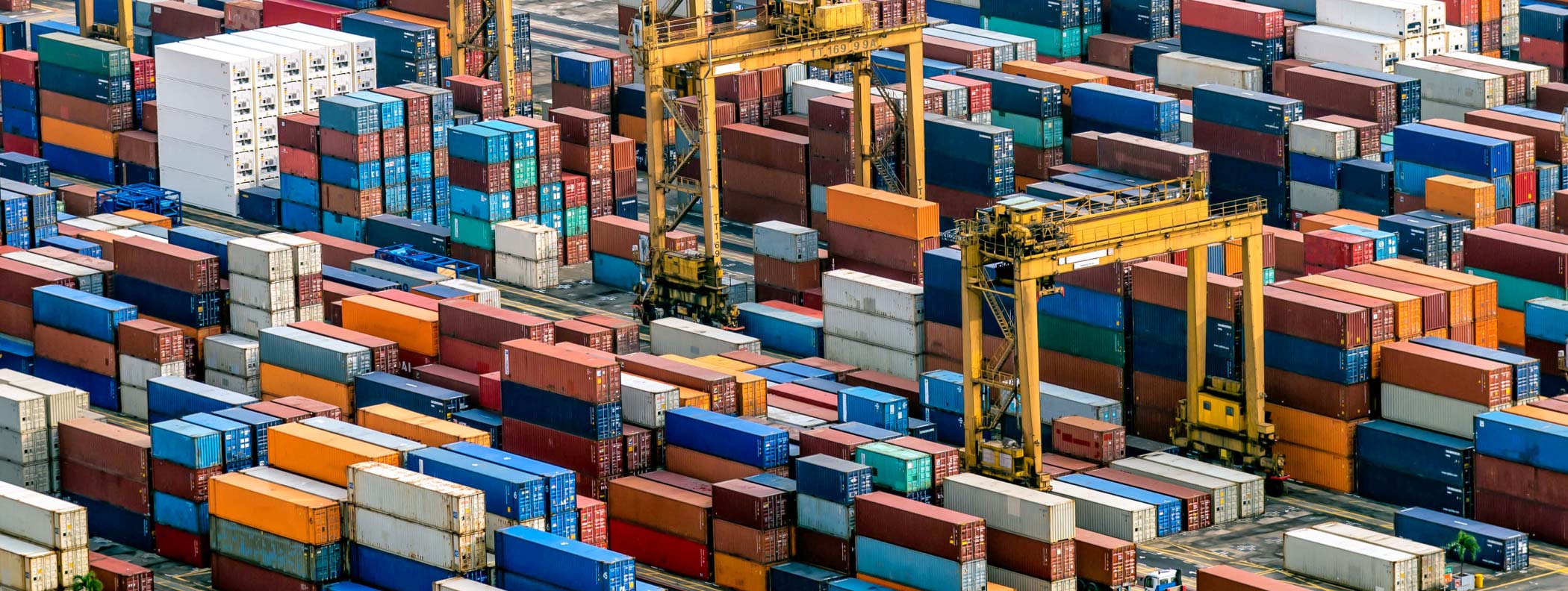 Integrated Freight Brokerage
 6. The Condor Cargo Enterprise Advantage: Built on 25+ Years of Operational E-E-A-T
For over a quarter-century, Condor Cargo has served as the backbone for international freight forwarders, global manufacturers, and enterprise retail brands. We don't just broker freight—we operate the physical infrastructure, manage the bonded facilities, and run the drayage fleets that keep global trade moving seamlessly.
Here is why global procurement leaders trust Condor Cargo with their high-value LCL freight consolidation programs:
Strategic Location Near Ports of LA & Long Beach
Operating a massive 160,000 square foot facility in Hawthorne, CA, Condor Cargo sits positioned just minutes from the Ports of Los Angeles and Long Beach, as well as Los Angeles International Airport (LAX). This proximity enables ultra-fast container drayage, minimizing terminal dwell times and protecting your cargo from costly demurrage and detention charges.
U.S. Customs Bonded Facility & CCSF Certification
As a U.S. Customs Bonded Warehouse and a TSA-approved Certified Cargo Screening Facility (CCSF), we provide security compliance for international imports and exports. Your LCL cargo can remain in our bonded storage duty-deferred while you arrange domestic distribution, optimized customs entries, or export buildup.
Nationwide Hub Infrastructure
Beyond our California headquarters, Condor Cargo operates strategically located distribution hubs in Elk Grove Village, IL (Chicago area) and Grapevine, TX (Dallas-Fort Worth area). This tri-regional footprint guarantees seamless inland linehaul connectivities across the Midwest, Sunbelt, and East Coast markets.
Full-Spectrum Logistics Synergy
Condor Cargo integrates LCL ocean freight consolidation with our internal ecosystem:
- Port Drayage Services: Rapid container pickup from all port terminals.
- Container Devanning & Palletization: Sort-and-segregate, shrink-wrapping, and barcode labeling.
- Hazmat & Specialty Freight Handling: Fully compliant dangerous goods storage and transport.
- Expedited Air Linehaul: Converting ocean imports into domestic air freight equivalents.
7. Frequently Asked Questions (FAQ) for Global Buyers
Derived from real-world search queries and conversational AI intent mining, here are expert answers to the most common questions surrounding LCL freight consolidation:
LCL ocean freight is billed on a Weight or Measurement (W/M) basis, where 1 CBM equals 1,000 kg. The billable volume is determined by whichever figure is higher. Procurement teams must look out for destination CFS fees, terminal handling charges (THC), container devanning fees, chassis split surcharges, and peak season surcharges (PSS). Working with Condor Cargo guarantees transparent, itemized quotes with no hidden port arrival fees.
LCL shipments generally take 3 to 7 days longer than FCL shipments. This additional time accounts for cargo origin consolidation at the origin CFS, container packing, vessel loading, and post-discharge devanning at the destination CFS. However, by using Condor Cargo’s priority drayage and rapid off-dock devanning near the Port of LA, we frequently match standard FCL delivery schedules.
Upon arrival at our 160,000 sq. ft. Hawthorne warehouse, containers are devanned under strict supervisory oversight. Every piece is inspected for outer packaging integrity, photographed, scanned, and placed on heavy-duty pallets using commercial shrink-wrapping. Fragile items are segregated and secured in dedicated storage bays inside our CTPAT-compliant facility.
Yes, provided the hazardous material is classified as compatible under the International Maritime Dangerous Goods (IMDG) code. Condor Cargo specializes in Hazmat freight logistics, ensuring proper UN packaging, dangerous goods declaration verification, and safe container segregation alongside certified linehaul transport.
Standard LCL co-loading combines your cargo with goods from unrelated third-party companies heading to the same destination port. Buyer’s Consolidation combines cargo sourced exclusively from your multiple suppliers into one dedicated container under your ownership, eliminating multi-consignee port delays and reducing customs entry fees.
By devanning your LCL container into Condor Cargo’s U.S. Customs Bonded facility, duty payments are deferred until the cargo leaves the warehouse for commercial entry into the U.S. domestic market. If cargo is re-exported to international destinations, import duties can be completely avoided.
8. Take Control of Your Global Supply Chain Today
Navigating international freight logistics doesn't have to be complex or prohibitively expensive. Whether you are scaling up order volumes, consolidating Asian supplier purchases, or seeking relief from port demurrage, Condor Cargo delivers the infrastructure, technology, and expert guidance you need.
Answer three simple questions: What are you shipping? Where is it going? When does it need to arrive? Our team of logistics architects will handle the rest.
Ready to Optimize Your LCL Freight Strategy?
Connect with our senior ocean freight specialists to analyze your lanes, review cargo volumes, and receive a tailored consolidation proposal.