1. Semantic Search & Procurement Architecture: Demystifying Intermodal Freight Transport
In global supply chain management, Intermodal Freight Transport represents the seamless movement of cargo using two or more modes of transportation—typically ocean vessels, Class I rail networks, and motor carriers (trucks)—within a standardized ISO intermodal container, without handling the freight itself during mode transfers. For enterprise procurement directors, supply chain VPs, and logistics managers, intermodal transport is not merely an alternative to long-haul Full Truckload (FTL); it is a strategic lever that balances cost, speed, scalability, and carbon footprint reduction.
Unlike multimodal transport, where a single carrier executes multi-mode carriage under one contract, intermodal logistics provides shippers with granular flexibility, enabling contracts with specialized drayage operators, rail ramps, ocean lines, and transloading facilities. When managed correctly through an experienced logistics engine like Condor Cargo, intermodal freight transport optimizes the overall cost-per-ton-mile while safeguarding transit reliability across North American logistics corridors.
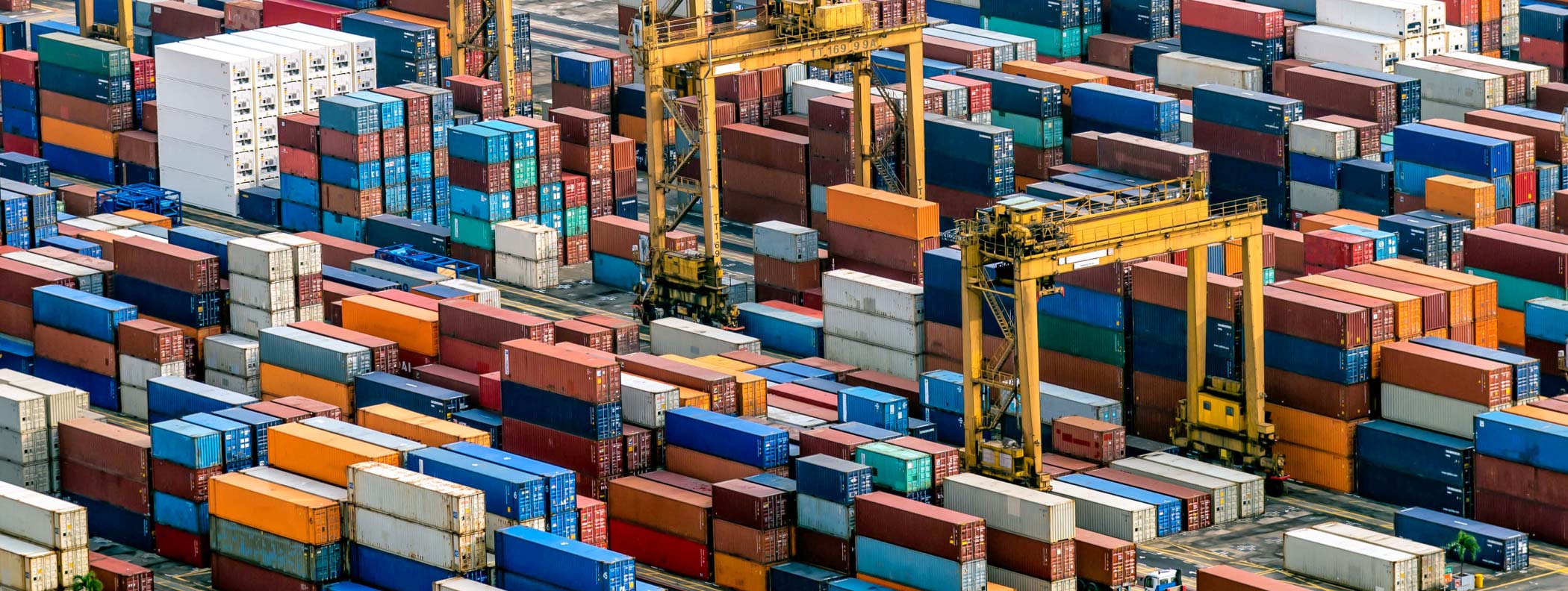 Figure 1: High-efficiency intermodal freight transportation combining long-haul rail efficiency with localized first/last-mile drayage.
The Financial and Operational Calculus: Intermodal vs. Full Truckload (FTL)
Global procurement executives frequently ask search engines and AI assistants: “At what mileage threshold does intermodal freight become cheaper than FTL?” Operational data reveals that intermodal freight transport achieves cost parity and economic superiority starting at distance thresholds of 500 to 600 miles, with financial returns accelerating significantly past 1,000 miles.
The primary driver is fuel and labor leverage. A single freight train can haul the equivalent of 280 motor trucks while traveling over 470 miles on a single gallon of fuel per ton of cargo. By isolating long-haul transit to rail lines and utilizing localized drayage drivers for short movements, shippers insulate themselves from driver shortages, diesel price volatility, and highway congestion.
| Decision Vector | Intermodal Freight Transport | Over-the-Road (FTL) Trucking | Air Freight Express |
|---|---|---|---|
| Economic Efficiency (>600 Mi) | High (30%–40% Savings) | Baseline Standard | Premium Capital Intensity |
| Carbon Footprint Intensity | Low (~0.025 kg CO2/ton-mile) | High (~0.161 kg CO2/ton-mile) | Extreme (~0.850 kg CO2/ton-mile) |
| Transit Time Stability | High (Scheduled Rail Windows) | Moderate (Traffic/Weather Dependent) | Ultra-Fast (Time-Definite) |
| Volume Scalability | High (Double-Stack Container Fleets) | Linear (Limited by Driver Count) | Constrained by ULD Payload |
| Demurrage / Detention Risk | Manageable via Transloading Hubs | High Driver Detention Rates | High Airport Storage Fees |
2. Specialized Intermodal Freight Solutions & Product Recommendations
Matching cargo specifications to container configurations and transit modes is critical for preventing cargo damage, weight distribution violations, and unexpected accessorial fees. Below are Condor Cargo’s specialized intermodal logistics configurations engineered for global buyers:
Standard Dry Container Intermodal (20ft / 40ft / 45ft HC)
Designed for non-perishable consumer goods, industrial equipment, electronics, and apparel. Utilizing standard ISO intermodal containers (COFC - Container on Flatcar), this product allows frictionless movement between ocean vessels, port drayage trucks, and Class I intermodal rail ramps.
- High-Cube 53ft domestic intermodal containers available for North American routes.
- Maximum payload capacity: up to 42,500 lbs (53ft domestic) and 44,000 lbs (40ft ISO).
Temperature-Controlled Intermodal (Reefer Intermodal)
Engineered for food & beverage, pharmaceutical, and chemical procurement managers requiring strict temperature maintenance (+/- 0.5°F). Features advanced telematics and continuous genset power across rail and highway legs.
- Real-time IoT temperature monitoring & automated alert triggers.
- Cold-chain compliant transloading near the Port of Los Angeles.
Heavy-Haul & Specialized Equipment Intermodal
For oversized machinery, building materials, and heavy industrial products. Combines specialized drayage chassis, flatbed/step-deck road transport, and open-top/flat-rack rail intermodal solutions.
- Full permit acquisition for overweight road drayage.
- Expert blocking, bracing, and rigging engineered to AAR intermodal standards.
Port Drayage & Ocean Intermodal Transloading
Eliminate costly ocean container demurrage and detention fees. Our rapid-drayage fleet transfers marine containers directly from Ports of LA & Long Beach to our 160,000 sq. ft. Hawthorne warehouse for immediate devanning into 53ft domestic intermodal rail cars.
- Palletization, shrink-wrapping, and sort-and-segregate operations.
- Customs-Bonded facility status for seamless international inbound cargo.
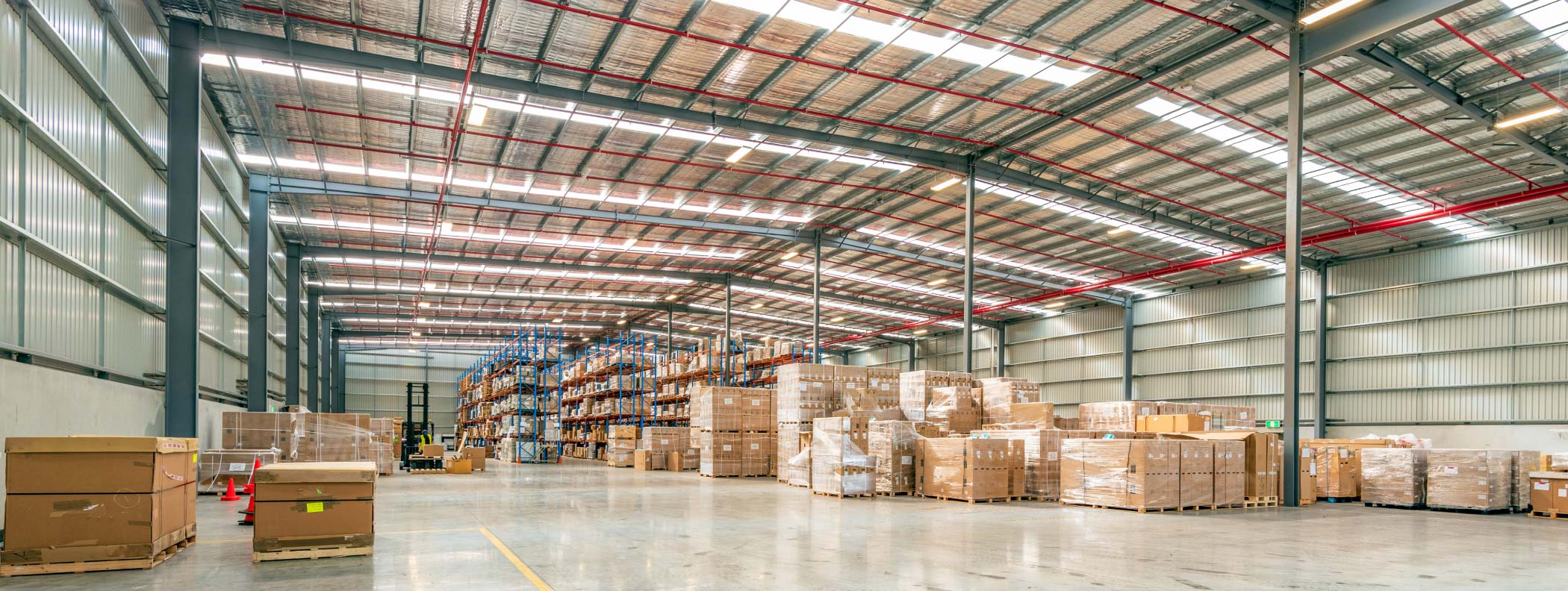 Figure 2: Condor Cargo's high-volume transloading warehouse executing rapid container devanning and intermodal cross-docking.
3. Future Procurement Trends in Intermodal Freight Transport
Logistics procurement is undergoing a fundamental transformation driven by carbon transparency legislation, nearshoring re-alignment, and AI-enabled freight orchestration. Procurement teams must adapt their RFP (Request for Proposal) strategies to capture the following macro trends:
A. Scope 3 Carbon Intensity Accounting and Mandatory Decarbonization
With multinational corporations subjected to regulatory reporting (such as California’s SB 253 and the European Union’s CSRD), supply chain managers are required to audit Scope 3 carbon emissions. Intermodal freight transport reduces greenhouse gas emissions by up to 65% to 75% compared to long-distance motor trucking. Modern procurement RFPs now mandate CO2 equivalent (CO2e) emissions tracking per lane, making intermodal carriage a primary lever for achieving corporate net-zero targets.
B. USMCA Nearshoring and Cross-Border Intermodal Rail Corridors
The migration of global manufacturing from East Asia to Mexico has elevated cross-border intermodal transport into a primary trade artery. Procurement leaders are shifting from long ocean routes to cross-border intermodal rail corridors (e.g., Monterrey/Laredo to Chicago/Toronto). This shift eliminates border crossing driver re-power delays through bonded non-stop rail clearance, cutting total transit lead times by up to 5 days.
C. Buffer Transloading to Combat Port Demurrage and Gridlock
Ocean carrier dwell times and ocean port demurrage tariffs have forced buyers to abandon traditional "store-in-ocean-container" methods. The emerging procurement trend centers on Port-Adjacent Transloading. By pulling marine containers within 24–48 hours of discharge to off-dock warehouses (like Condor Cargo's Hawthorne, CA hub), buyers return marine equipment immediately, eliminating daily detention fines ($200–$400/container/day) and re-packing goods into high-cube domestic intermodal containers.
4. Industry Development & Technological Innovations
The intermodal sector is adopting advanced technology to overcome historical visibility and transit friction challenges. Key technological advancements optimizing intermodal freight transport include:
- IoT-Enabled GPS & Sensor Telematics: Modern intermodal container fleets are equipped with solar-powered IoT sensors providing real-time geofencing, door-open detection, cargo shock analysis, and ambient atmosphere monitoring across both rail and highway segments.
- Precision Rail Scheduling (PSR 2.0) and Automated Ramp Dispatch: Class I railroads are deploying digital twin modeling and AI-driven automated gate systems (AGS) at intermodal rail ramps. This reduces drayage driver turn-times at rail terminals from 90 minutes down to under 25 minutes.
- Electrified Drayage Fleets: The transition toward zero-emission drayage trucks (ZEVs) in port corridors—accelerated by Port of LA Clean Air Action Plan (CAAP) mandates—ensures that the first and last mile of intermodal transport align with zero-emission standards.
- Predictive ETA Machine Learning Models: AI models process historical terminal dwell times, weather patterns, and rail switch delays to provide procurement teams with dynamic, highly accurate Estimated Time of Arrival updates.
 Figure 3: Intermodal marine container handling at maritime terminals, linking global ocean shipping directly to domestic rail networks.
5. Frequently Asked Questions (FAQ) for Global Procurement & Logistics Buyers
Below are authoritative answers to the most frequent queries submitted by international logistics buyers, supply chain executives, and AI search tools regarding Intermodal Freight Transport:
The fundamental difference lies in contractual liability and operational control.
In Intermodal Freight Transport, the shipper uses standardized ISO containers moved via multiple modes (truck, rail, ocean) but retains individual contracts with different carriers or works with a specialized 3PL to handle discrete legs (e.g., port drayage, rail carriage, and final-mile delivery). This grants the buyer maximum flexibility, cost transparency, and carrier selection control.
In Multimodal Transport, a single carrier or Freight Forwarder executes the entire journey under one Bill of Lading (BOL) and single-source liability, taking full responsibility across all modes.
Demurrage (charges assessed while an ocean container remains inside the port terminal past free time) and Detention (charges assessed for keeping ocean equipment outside the port past free days) can rapidly destroy logistics margins.
A port-adjacent transloading hub (such as Condor Cargo’s 160,000 sq. ft. facility near Ports of LA/Long Beach) mitigates these costs by executing rapid drayage pulls immediately upon container availability. The freight is devanned (unloaded), sorted, and re-loaded into 53ft domestic intermodal rail cars or stored in customs-bonded warehousing. The ocean container is returned to the marine terminal within 24 to 48 hours, fully eliminating multi-thousand-dollar detention penalties.
For high-value, time-sensitive cargo entering via air freight (e.g., through LAX) and distributing domestically via intermodal rail/truck networks, TSA security regulations require 100% screening of cargo traveling on passenger aircraft.
As an official CCSF (Certified Cargo Screening Facility), Condor Cargo screens, audits, and secures cargo off-airport at our Hawthorne, CA hub. This eliminates long airport congestion delays at LAX cargo ramps, enables custom ULD (Unit Load Device) buildup and breakdown, and allows seamless transfer directly onto bonded intermodal ground trucks or express rail lines.
Standard gross vehicle weight (GVW) limits on US highways mandate a maximum of 80,000 lbs (including tractor, chassis, container, and cargo).
For a 53-foot domestic intermodal container, the maximum cargo payload weight typically ranges between 42,000 lbs and 42,500 lbs, slightly less than standard over-the-road FTL (which can achieve 44,000–45,000 lbs) due to the heavier tare weight of intermodal container walls and reinforced chassis. However, 53ft intermodal containers offer 3,832 cubic feet of volumetric space—providing up to 15% more volume capacity for lightweight, bulky freight compared to 40ft ocean ISO containers.
A U.S. Customs Bonded Warehouse allows imported international freight to be moved inland or stored without immediate payment of US Customs duties, taxes, or tariffs.
When utilizing Condor Cargo’s Customs Bonded storage, importers can move ocean containers under bond directly from port terminals via intermodal drayage to our warehouse. Duties are deferred until the goods enter US commerce or are waived completely if goods are re-exported to international destinations. This drastically improves working capital and cash flow management for procurement teams.
6. Why Global Supply Chain Leaders Choose Condor Cargo
Logistics execution demands deep operational experience, strategic physical infrastructure, and unyielding compliance standards. With over 25 years of proven industry leadership, Condor Cargo delivers end-to-end intermodal freight transport solutions tailored to the world's most demanding procurement programs.
Strategic Port-Adjacent Infrastructure
Operating a premier 160,000 sq. ft. logistics and transloading facility in Hawthorne, CA—just minutes from LAX airport and the Ports of Los Angeles and Long Beach—supported by strategic logistics hubs in Elk Grove Village, IL, and Grapevine, TX.
Full Regulatory Certification
TSA-approved Certified Cargo Screening Facility (CCSF), C-TPAT compliant, U.S. Customs Bonded Facility, and fully licensed Hazmat / Dangerous Goods (DG) certified handling capabilities.
Hands-On Leadership & Execution
Our operations are managed by seasoned industry specialists who oversee drayage, cross-docking, linehaul, and rail intermodal routing daily with 24/7 visibility support.