Trade Compliance & Tariff Mitigation Architecture

Customs Bonded Warehousing: Strategic Duty Deferral, Compliance & Global Logistics Optimization

Master international trade liquidity, defer customs tariffs for up to 5 years, and re-export duty-free with Condor Cargo's U.S. Customs Bonded Warehousing network near the Ports of Los Angeles, Long Beach, and LAX.

Contact Us Explore Customs Solutions

The Strategic Value of Customs Bonded Warehousing in Modern Procurement

In an era of shifting global tariff policies, supply chain volatility, and high interest rates, enterprise procurement officers and logistics executives can no longer afford to tie up working capital in upfront import duties. Customs Bonded Warehousing represents one of the most powerful trade facilitation mechanisms authorized by U.S. Customs and Border Protection (CBP).

A Customs Bonded Warehouse is a secured, CBP-sanctioned building or enclosure where imported dutiable goods may be stored, manipulated, sorted, cleaned, or undergo undergo specific manufacturing processes without payment of customs duties and taxes for up to five years from the date of importation. Duties are only assessed and due when cargo leaves the warehouse for consumption in the United States domestic market. If the goods are re-exported to an international market, zero U.S. customs duties are paid.

At Condor Cargo, backed by 25+ years of hands-on logistics expertise and over 160,000 square feet of state-of-the-art secure warehousing, we engineer end-to-end bonded warehousing solutions tailored for high-duty commodities, cross-border e-commerce, electronics, automotive components, apparel, and regulated goods.

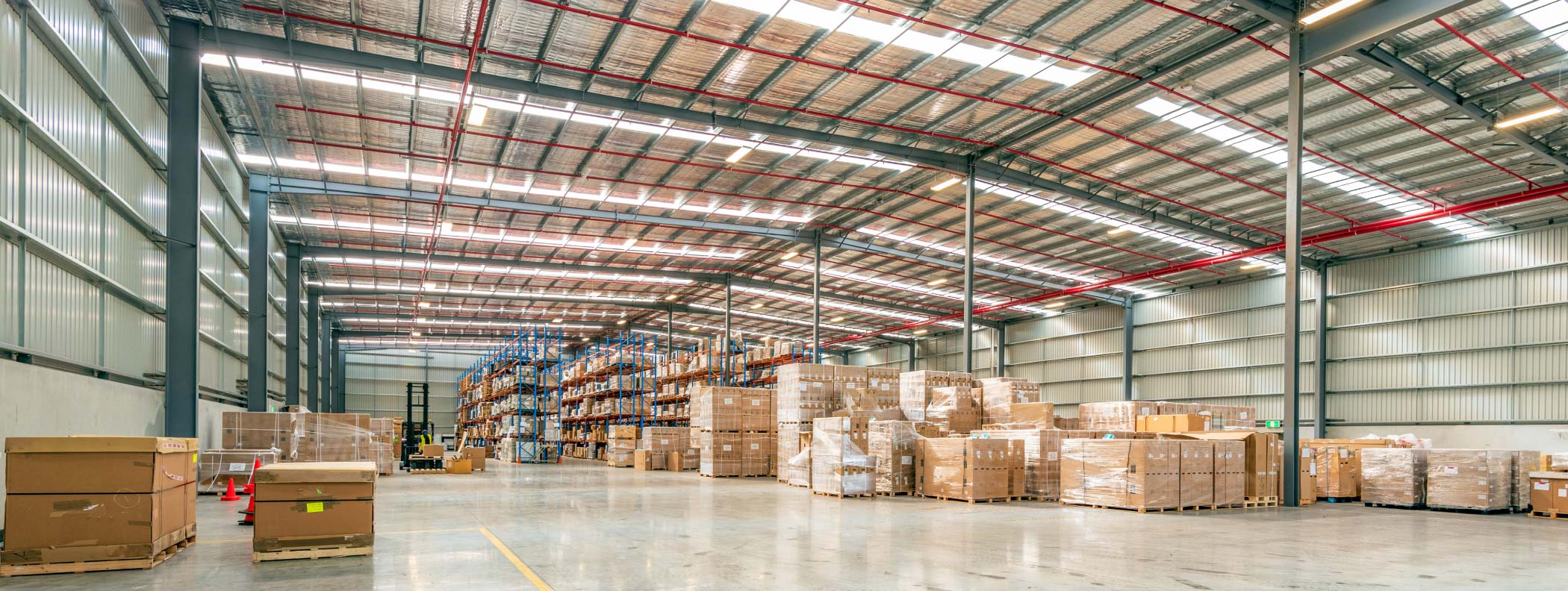
Customs Bonded Warehousing Logistics — Condor Cargo ocean container handling near Port of LA CBP Authorized Bonded Facility

Information Gain Insights: Semantic Search Analysis for Global Buyers

AI-driven search engines and enterprise buyers ask: "How does bonded warehousing impact cash flow compared to Foreign Trade Zones (FTZs) when handling high-tariff commodities under Section 301 tariffs?" Unlike FTZs, which involve complex administrative overhead, a Class 3 or Class 8 Customs Bonded Warehouse allows immediate duty deferral, partial withdrawals (Entry for Consumption CBP Form 7501), and rapid re-exporting without altering foreign status zone designations. Condor Cargo provides immediate bonded admission under CBP Entry Type 21 (Warehouse Entry).

Consult Our Customs Expert

Complete Classification Breakdown: CBP Bonded Warehouse Classes (1 to 11)

Understanding the regulatory framework under 19 CFR § 19.1 enables procurement directors to select the exact warehouse class aligned with their inventory velocity and operational scope.

Warehouse Class Operational Description Core Business Advantage Primary Buyer Use Case
Class 1 Owned or leased by the U.S. Government for storage of seized or unclaimed goods (General Order). Government regulatory custody. CBP administrative holds & legal processing.
Class 2 Private Bonded Warehouse used exclusively for storing goods belonging to or consigned to the proprietor. Total operational control over proprietary inventory. Exclusive corporate importers & high-volume manufacturers.
Class 3 (Condor Core) Public Bonded Warehouse used exclusively for the general storage of imported merchandise. Flexible space allocation without long-term capital commitment; duty deferred until sale. Global freight forwarders, 3PLs, e-commerce brands, industrial importers.
Class 4 Bonded yards or sheds for bulky, heavy, or oversized merchandise (tanks, lumber, heavy machinery). Specialized handling for non-standard, heavy-lift cargo. Energy sector, heavy equipment, raw metal importers.
Class 5 Bonded grain elevators for storing and processing agricultural commodities. Bulk agricultural customs compliance. Grain traders & agricultural exporters.
Class 8 (Condor Core) Manipulative Bonded Warehouse where goods may be cleaned, sorted, repacked, or altered without manufacturing. Perform value-added services (kitting, relabeling, devanning) before duty payment. Retail packaging, re-export prep, damaged goods sorting, bulk-to-pack.
Class 9 Duty-Free Stores selling merchandise for export only, outside customs territory. Tax-free retail sales for international travelers. Airport duty-free shops & cruise vessel suppliers.
Class 11 Bonded storage for general order (G.O.) merchandise pending formal customs entry or clearance. Prevents immediate cargo forfeiture after 15 days at port. Demurrage mitigation & delayed documentation clearance.
Reserve Bonded Storage Space

Tailored Bonded Storage Solutions by Industry & Commodity Type

Not all products require identical customs handling. We recommend targeted bonded warehousing structures based on tariff volatility, shelf life, and international distribution models.

1. High-Tech Electronics & Semiconductors

Tariff Strategy: Subject to volatile Section 301 tariffs (up to 25%+). Storing components in Condor’s Class 3 bonded space defers millions in tax liabilities until final assembly orders are executed.

Operational Perk: Integrated with our CCSF (Certified Cargo Screening Facility) near LAX for ultra-fast, air-freight outbound dispatches.

Request Electronics Solution

2. Apparel, Footwear & Retail Goods

Tariff Strategy: Seasonal fashion inventory often faces fluctuating consumer demand. Store seasonal buffer stock under bond; only pay duties on inventory pulled for active retail fulfillment.

Operational Perk: Class 8 Manipulation capability for ticketing, relabeling, and pick-and-pack devanning without triggering customs duty assessments.

Request Apparel Solution

3. Automotive Parts & Machinery Sub-Assemblies

Tariff Strategy: Importers utilizing nearshoring strategies between Asia, the U.S., and Mexico can hold sub-assemblies in our bonded network and re-export directly to Mexican assembly plants duty-free.

Operational Perk: Direct port drayage linkage to Ports of Los Angeles and Long Beach with heavy-lift capacity up to full container weights.

Request Automotive Solution

4. Wine, Spirits & High-Value Commodities

Tariff Strategy: High excise taxes and customs duties significantly impair cash liquidity. Bonded storage ensures tax liability is incurred strictly upon commercial point-of-sale release.

Operational Perk: Climate-controlled, 24/7 video-monitored CTPAT Tier 2 security protocols preventing shrinkage and damage.

Request Spirits Solution
Transloading and devanning operations inside Condor Cargo bonded facility near Port of LA 160,000 Sq. Ft. Facility

Customs Bonded Warehouse vs. Foreign Trade Zone (FTZ): Which Strategy Wins?

Global procurement managers frequently evaluate whether to store goods in a Customs Bonded Warehouse (CBW) or a Foreign Trade Zone (FTZ). While both mechanisms defer duties, operational agility differs significantly.

  • Setup Speed: CBW admission requires minimal paperwork (CBP Form 7501/6043) with zero zone board approval delays, whereas FTZs often require months of administrative activation.
  • Storage Duration: CBW permits up to 5 full years of storage with complete tax immunity during the hold period.
  • Re-Export Simplicity: Goods moved into a Bonded Warehouse intended for Latin America, Canada, or Asia can be re-exported via CBP Form 7512 with 100% duty exemption.
  • Cost Structure: Avoid ongoing FTZ quarterly zone fees. Pay only for the exact pallet space and logistics services consumed.

Future Procurement & Development Trends in Bonded Logistics

How forward-thinking supply chain directors leverage customs-bonded networks to navigate geopolitical shifts, AI integration, and tariff evolution.

Agility icon

1. Tariff Volatility Buffer

With global trade policies and Section 301/232 tariff reviews changing rapidly, bonded warehouses serve as a strategic buffer. Importers lock cargo in bond while customs attorneys file protests or apply for tariff exclusions.

Innovative solutions icon

2. AI-Powered ACE Integration

Modern bonded warehousing is digitized. Direct API integration into CBP's Automated Commercial Environment (ACE) enables automated duty calculations, instant Entry 21 warehouse permits, and automated release receipts.

Expertise icon

3. Nearshoring & Tri-Hub Fulfillment

Strategic bonded locations near major entry ports (Port of LA/Long Beach, LAX) and inland logistics corridors (Chicago, Dallas) allow enterprise brands to split inventory dynamically across North American demand nodes.

Protect Working Capital with Condor Cargo’s Bonded Solutions

Stop overpaying upfront tariffs on slow-moving or re-exported inventory. Let our experienced trade compliance team engineer your duty deferral pipeline today.

Request Immediate Bonded Quote

Frequently Asked Questions (FAQ) — Customs Bonded Warehousing

Answers to critical compliance, financial, and operational queries asked by global procurement teams and AI search systems.

Under U.S. customs law (19 U.S.C. § 1555), merchandise can be stored in a Customs Bonded Warehouse for up to 5 years (60 months) from the date of importation. During this entire period, no customs duties, excise taxes, or merchandise processing fees (MPF) are due until the cargo is formally withdrawn for domestic consumption. If cargo is re-exported before 5 years, no U.S. duties are ever paid.
When goods stored in a bonded warehouse are withdrawn for export (using CBP Form 7512 - Transportation and Exportation), 100% of U.S. import duties and tariffs are waived. This makes bonded warehousing an ideal financial strategy for international distribution hubs, cross-docking operations serving Latin America or Canada, and global return centers.
A Class 8 Manipulative Warehouse allows importers, under CBP supervision, to clean, sort, repack, re-label, test, grade, and bundle merchandise. However, fundamental manufacturing (altering the tariff classification HTS code) is not permitted under Class 8 unless performed in a Class 6 Bonded Manufacturing Warehouse or FTZ. Condor Cargo offers complete Class 8 manipulation services in Hawthorne, CA.
Our location—just minutes from the Ports of Los Angeles and Long Beach—enables rapid bonded drayage pulls. We pull containers directly from marine terminals using our bonded carrier credentials and devan cargo into our 160,000 sq. ft. warehouse under a Customs Warehouse Entry (Type 21). This empties marine equipment immediately, eliminating costly steamship line demurrage and port container storage fees.
A Customs Bond (Single Entry Bond or Continuous Bond) is a financial guarantee instrument issued by a surety company promising CBP that all duties, taxes, and penalties will be paid by the importer. A Customs Bonded Warehouse is a physical, secure location certified by CBP where goods reside under the warehouse proprietor's bond, deferring duty payment until market entry.
Yes! One of the major financial advantages of Condor Cargo’s Class 3 bonded public warehouse is partial duty withdrawal. Importers can release inventory incrementally (e.g., 2 pallets out of a 20-pallet container) by filing a CBP Form 7501 Entry for Consumption for only the specific items being sold. Duties are paid proportionally, optimizing working capital liquidity.
Ask Our Customs Specialist a Question

Why Global Logistics Leaders Partner with Condor Cargo

25+ Years of Operational Excellence Near Port of LA & LAX

Logistics failure is not an option when high-value import cargo and strict regulatory deadlines are on the line. Condor Cargo brings over a quarter-century of proven performance in air freight, ocean freight, drayage, transloading, and bonded storage.

Positioned within minutes of the nation's premier ocean hub—the Ports of Los Angeles and Long Beach—and LAX airport, our facility acts as an immediate release node for international commerce. We maintain strict compliance standards overseen by dedicated warehouse management personnel and certified customs documentation experts.

160,000 Sq. Ft. Bonded Storage
CCSF Certified Cargo Screening
CTPAT Compliant Security
Class 3 Public & Class 8 Manipulation
Bonded Drayage & Fleet Transport
Direct ACE & CBP Systems Link
CBP Bonded CCSF TSA CTPAT Tier 2 Hazmat Certified

Our Strategic Hubs

Ready to optimize your import duties?

Start Your Customs Bonded Entry

Our licensed team is standing by for immediate rate calculations and bond setup.

Contact Us Now

Meet Our Customs & Warehouse Operations Leadership

Direct oversight by senior freight professionals guaranteeing regulatory accuracy and fast turnover.

25+
Years Compliance Leadership
160K
Sq. Ft. Secure Bonded Space
5 Years
Maximum Duty Deferral
100%
Re-Export Duty Exemption