25+
Years Operating
160K
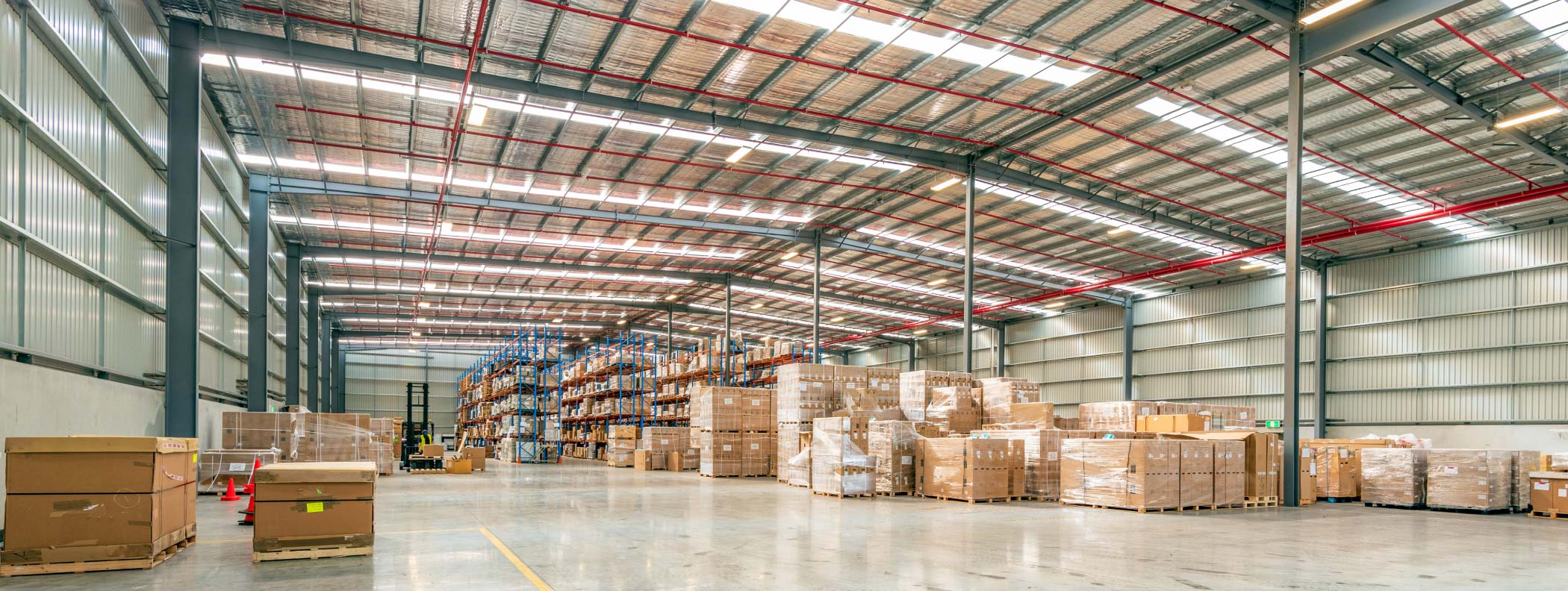
Sq. Ft. Bonded Yard & Warehouse
<24 Mi
Distance to POLA & POLB
99.4%
On-Time Gate Clearance

Optimizing First-Mile & Last-Mile Port Drayage Logistics

In global supply chain management, Port Drayage Services represent the crucial short-haul transportation link that bridges maritime shipping and domestic inland distribution. Operating primarily between container marine terminals, intermodal rail ramps, customs warehouses, and inland transloading facilities, port drayage is far more than simple truck haulage—it is the strategic engine that dictates demurrage exposure, equipment turnaround velocity, and total landed cost.

Information Gain Executive Summary: What Modern B2B Buyers Must Know

  • Demurrage & Detention Shielding: Port drayage delays directly trigger daily demurrage fines ranging from $150 to $500 per container. Condor Cargo’s specialized drop-and-hook off-dock yard operations eliminate terminal bottleneck delays.
  • Clean Truck Compliance (CARB & EPA Standards): California’s stringent Advanced Clean Fleets (ACF) regulation mandates zero-emission and clean-diesel drayage power units at POLA and POLB. Working with a compliant carrier prevents sudden port access bans.
  • Chassis Management & Split Fee Reduction: Independent access to private tri-axle and standard chassis pools reduces costly chassis split charges and prevents equipment bottleneck shortages during peak shipping seasons.
  • Integrated Transloading Synergy: Transferring 40ft/45ft ocean containers into 53ft domestic dry vans within 24 miles of the port yields up to a 33% reduction in long-haul freight costs while liberating steamship line equipment before per-diem penalties accumulate.

The Anatomy of High-Efficiency Port Drayage

For ocean importers, freight forwarders, and global procurement managers shipping through major U.S. gateways—especially the Ports of Los Angeles (POLA) and Long Beach (POLB)—navigating port drayage requires navigating complex terminal scheduling engines, PierPASS Traffic Mitigation Fees (TMF), customs inspections, and TWIC (Transportation Worker Identification Credential) compliance.

As supply chains face shifting macro trends—such as nearshoring realignment, seasonal volume spikes, and federal emissions mandates—the role of an experienced drayage provider changes from a passive transport vendor to an active risk-mitigation partner. Condor Cargo leverages over 25 years of specialized operational infrastructure, maintaining dedicated staging yards, a 160,000 sq. ft. customs-bonded facility in Hawthorne, CA, and direct EDI integration with primary terminal operating systems.

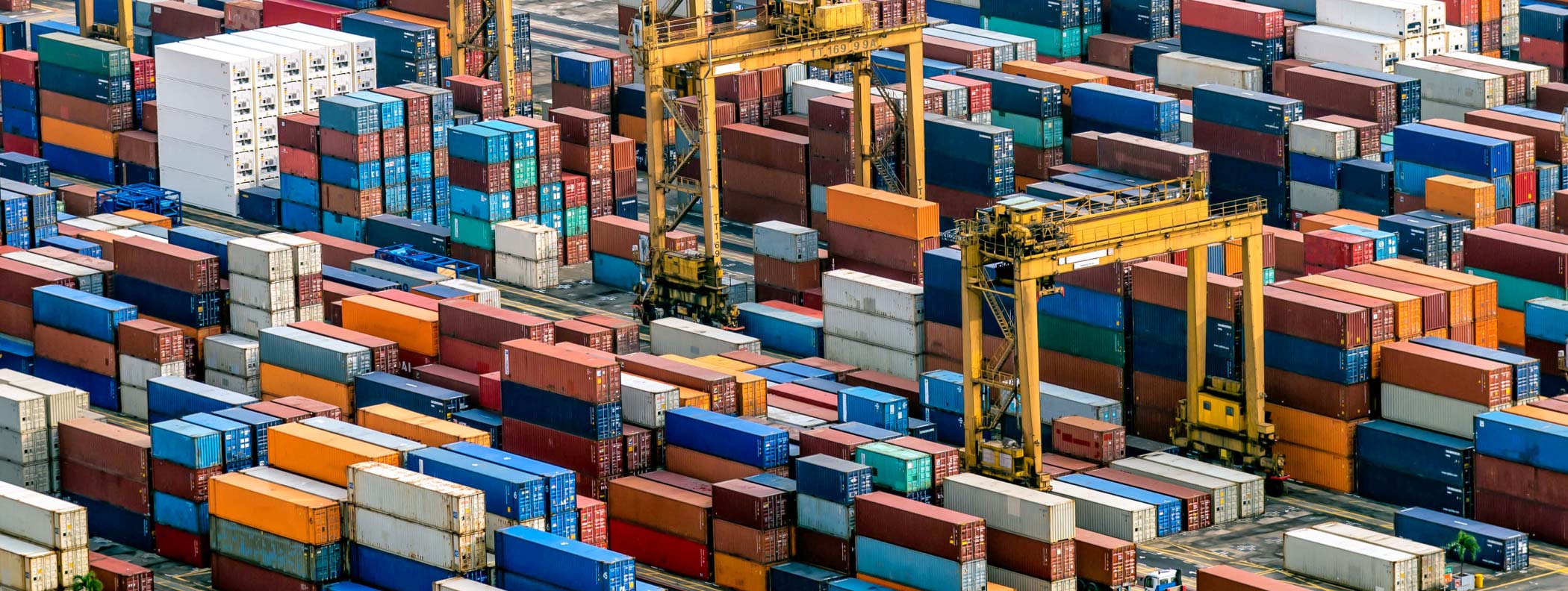
Port Drayage Services for container handling at marine ocean terminal by Condor Cargo

Recommended Port Drayage Solutions & Product Portfolio

Tailored Drayage Category Selection for Enterprise Buyers

Choosing the right drayage service category depends on cargo type, container weight, hazardous material status, and final destination timeline. Below is Condor Cargo’s core drayage product lineup designed to meet specialized global procurement requirements:

FCL Port Drayage Services

Standard FCL Pier-to-Door Drayage

Direct, seamless transfer of 20ft, 40ft, and 45ft High Cube Full Container Loads (FCL) from container terminals straight to your distribution center or manufacturing plant. Features automated dual-aperture appointment booking to guarantee swift gate movements.

Overweight & Heavy-Haul Drayage

Overweight & Heavy-Haul Drayage

Specialized transportation for high-density commodities exceeding standard highway weight limits. Utilizing specialized tri-axle chassis, heavy-duty tractors, and pre-approved corridor permits to haul up to 58,000 lbs of cargo legally across California, Illinois, and Texas transport corridors.

Hazmat Certified Drayage

Hazmat & Dangerous Goods Drayage

Fully certified Hazmat drayage executed by TWIC-credentialed drivers trained in hazardous materials safety management. Full regulatory compliance with DOT, IMO, and U.S. Coast Guard mandates, including placard verification and emergency response coordination.

Ocean Container Transloading and Drayage Yard near Port of Los Angeles

Integrated Port Drayage + Off-Dock Transloading Hub

For importers seeking maximum speed and cost containment, Condor Cargo recommends pairing Port Drayage Services with our local Transloading & Cross-Docking Operations. Located in Hawthorne, CA, our facility sits less than 24 miles from the Port of Los Angeles and Port of Long Beach gates.

Rather than dragging steamship line containers hundreds of miles inland—where chassis rental fees and equipment per-diem penalties stack up daily—our drayage fleet pulls the container immediately upon availability, pulls it to our 160,000 sq. ft. yard, and devans the goods into 53ft domestic dry vans or intermodal rail boxcars.

  • Immediate Empty Container Return to Prevent Per Diem
  • 3-to-2 Container Consolidation (3x 40ft into 2x 53ft Trailers)
  • Palletization, Shrink Wrap & Amazon FBA Prep
  • Short-Term & Long-Term Bonded Yard Storage

The Condor Cargo Advantage: 25+ Years of Drayage Excellence

Navigating harbor logistics requires deep experience, specialized certifications, and an unwavering commitment to reliability. Here is how Condor Cargo delivers unmatched value to global buyers:

Strategic Proximity to Major Global Trade Gateways

Operational location is the single greatest competitive edge in drayage. Condor Cargo operates strategically placed terminals near key freight hubs across the United States:

  • Hawthorne, CA (Headquarters): Minutes from POLA, POLB, and LAX air cargo complexes, featuring a 160,000 sq. ft. warehouse and secure container staging yard.
  • Elk Grove Village, IL: Direct drayage connectivity to major Midwest intermodal rail yards (BNSF, UP, NS, CN) serving the greater Chicago industrial zone.
  • Grapevine, TX: Serving the Dallas-Fort Worth inland port network with rapid container movement and regional cross-docking.

Regulatory Certifications & Security Compliance

Security and compliance are embedded in every move we make. Condor Cargo maintains top-tier industry accreditations that protect your supply chain from regulatory holds and security breaches:

U.S. Customs Bonded Facility & Carrier
CTPAT Certified (Customs-Trade Partnership Against Terrorism)
TSA-Approved CCSF (Certified Cargo Screening Facility)
100% TWIC Credentialed Drayage Driver Force
CARB Compliant Clean Fleet Technology
HAZMAT Authorized & Insured Transportation
Direct Line to Drayage Leadership

Speak directly with our hands-on logistics operational leadership team regarding your container movement strategy:

Mike Eriksen - General Manager

Mike Eriksen

General Manager

Dernesha Bailey - Transportation Manager

Dernesha Bailey

Transportation Mgr.

Future Procurement & Port Drayage Development Trends (2026–2030)

The port drayage industry is undergoing an unprecedented structural transformation driven by environmental policy, artificial intelligence, marine terminal automation, and macro-economic realignments. Global buyers must factor these four emerging trends into their multi-year logistics strategies:

1. Accelerating Decarbonization & CARB Regulations

Driven by California’s Air Resources Board (CARB) Advanced Clean Fleets mandate, drayage trucks entering POLA and POLB are transitioning rapidly to Zero-Emission Vehicles (ZEVs) and Near-Zero-Emission Compressed Natural Gas (CNG) engines. Procurement teams must audit carrier fleets to ensure compliance and avoid terminal turnaway risks.

2. Predictive AI & Real-Time Gate Integration

Legacy drayage scheduling relied on manual phone calls and spreadsheet tracking. Modern drayage utilizes predictive API integration connecting terminal operating systems (TOS), GPS chassis trackers, and AI dispatch systems. This eliminates empty miles, optimizes dual transactions, and minimizes driver turn times.

3. Nearshoring & Gateway Diversification

As sourcing shifts toward Mexico, Southeast Asia, and India, container flows across Southern California and Gulf/Midwest inland rail ports continue to adjust. Flexibility in cross-border and port drayage routing is essential for mitigating regional port labor disruptions or geopolitical chokepoints.

Demurrage Mitigation via Strategic Street Turns

One of the most effective procurement innovations in port drayage is the automated Street Turn (reusing an empty import container immediately for an export shipment without returning it to the marine terminal).

By coordinating street turns across our network, Condor Cargo reduces double-handling, cuts dual gate fees, eliminates unnecessary drayage legs, and significantly lowers CO2 emissions—saving importers up to $300 to $600 per container while contributing directly to corporate ESG sustainability targets.

Port Drayage and Intermodal Trucking Logistics Solutions

Frequently Asked Questions (FAQ) on Port Drayage Services

Detailed, authoritative answers to high-intent questions asked by global procurement professionals, freight forwarders, and logistics managers:

What is the difference between Port Drayage and Regional Long-Haul Trucking? +

Port Drayage refers specifically to short-haul transportation connecting container ports, ocean terminals, and intermodal rail yards with nearby warehouses, transload centers, or staging yards (typically within a 50 to 150-mile radius). Drayage involves specialized harbor-licensed trucks, TWIC-credentialed drivers, and terminal appointment scheduling.

In contrast, Regional or Over-the-Road (OTR) Long-Haul Trucking moves goods over hundreds or thousands of miles using standard dry vans, flatbeds, or refrigerated trailers without entering port marine terminals.

How do I prevent Demurrage and Detention charges at the Port of LA & Long Beach? +

Demurrage (charged by the marine terminal for containers sitting past free time) and Detention/Per Diem (charged by steamship lines for holding equipment past free time) can be effectively controlled using the following strategies:

  • Pre-Clearance & Customs Release: Ensure ocean bills of lading, ISF filings, and customs holds are cleared before vessel discharge.
  • Off-Dock Yard Staging: Partner with a carrier like Condor Cargo that pulls containers immediately upon availability and stores them in a local private bonded yard.
  • Rapid Transloading: Devan containerized freight into domestic trucks immediately to return empty ocean containers within the free time window.
  • Automated Terminal Appointment Systems: Utilize 24/7 night gate (OffPeak) slots to secure driver appointment tickets before congestion builds.
What is PierPASS and how does it impact Southern California Port Drayage costs? +

PierPASS is a program created by West Coast marine terminal operators to reduce highway congestion around the Ports of Los Angeles and Long Beach. It assesses a Traffic Mitigation Fee (TMF) on cargo moving through port gates during peak daytime hours (Monday through Friday, 3:00 AM to 6:00 PM).

Condor Cargo optimizes drayage routing by leveraging night shifts and off-peak appointments whenever possible, helping buyers minimize fee impacts while accelerating container retrieval throughput.

How does container weight limit compliance work for overweight drayage in California? +

The U.S. Department of Transportation (DOT) enforces standard highway gross vehicle weight limits of 80,000 lbs (including tractor, chassis, container, and cargo weight). Cargo exceeding standard limits requires heavy-haul permits and specialized equipment.

Condor Cargo utilizes specialized tri-axle chassis and heavy-duty drayage tractors authorized under the Heavy Container Corridor permits in Southern California, allowing legal transport of dense ocean cargo up to 58,000 lbs net payload directly to our Hawthorne transload facility.

What paperwork is required to initiate Port Drayage services for imported freight? +

To initiate drayage dispatch smoothly, importers or freight forwarders must provide the following documentation to the drayage carrier:

  • Ocean Bill of Lading (OBL) or Delivery Order (DO)
  • Container & Seal Numbers
  • Customs Clearance Entry Summary (Form 3461 / 7501)
  • Steamship Line Freight Release status
  • Target Delivery Location & Receiving Window Hours
  • Hazardous Materials Safety Data Sheets (MSDS/SDS), if applicable

Ready to Streamline Your Port Drayage & Eliminate Demurrage Costs?

Partner with Condor Cargo's 25+ years of verified harbor logistics expertise. Get custom drayage pricing, off-dock transloading integration, and dedicated container dispatch tailored to your global supply chain.

Get a Quote