
Strategic Agility
Rapid response port drayage dispatch. We pull containers from Port of LA & Long Beach terminals within hours of container discharge, neutralizing demurrage risk.
In modern global commerce, international procurement managers, supply chain directors, and import/export specialists face unprecedented volatility. Port congestion, shifting carrier schedules, skyrocketing demurrage and detention charges, and fluctuating inland freight rates make direct ocean container shipping straight to inland destinations an increasingly expensive liability. Ocean Freight Transloading has shifted from an emergency contingency tactic to a core strategic mechanism for agile, cost-conscious supply chains.
At its operational core, ocean freight transloading involves pulling imported marine containers (20ft, 40ft, or 45ft ISO ocean containers) from marine terminals—such as the Ports of Los Angeles and Long Beach—draying them to a strategically located near-port facility, devanning (unloading) the cargo, and immediately reloading it into 53ft domestic dry vans, intermodal rail containers, or flatbeds. Alternatively, cargo can be temporarily staged in a customs-bonded warehouse for regional palletized distribution.
Why do tier-one global buyers insist on transloading near ocean gateways? The mathematical advantage centers around cubic capacity optimization. Standard ocean shipping relies heavily on 40-foot High-Cube (40HC) ISO containers with an internal volume of approximately 2,694 cubic feet. In contrast, standard domestic 53-foot dry van trailers provide roughly 3,830 cubic feet of usable space.
The Equation: The cargo contained inside three 40ft ocean containers fits cleanly into two 53ft domestic trailers. By devanning cargo near the port of entry, enterprise shippers reduce inland long-haul linehaul movements by 33%, achieving massive freight cost reductions while returning steamship line equipment immediately to stop demurrage clock ticks.
By preventing ocean containers from leaving the port harbor zone, global buyers eliminate detention penalties imposed by ocean carriers for keeping steamship line equipment past the allocated free-time window. Crucially, transloading offers dynamic routing control: imported products are not tied to a destination warehouse defined months earlier in Asia or Europe; instead, cargo is allocated to regional fulfillment centers dynamically based on real-time U.S. consumer demand signals upon port arrival.
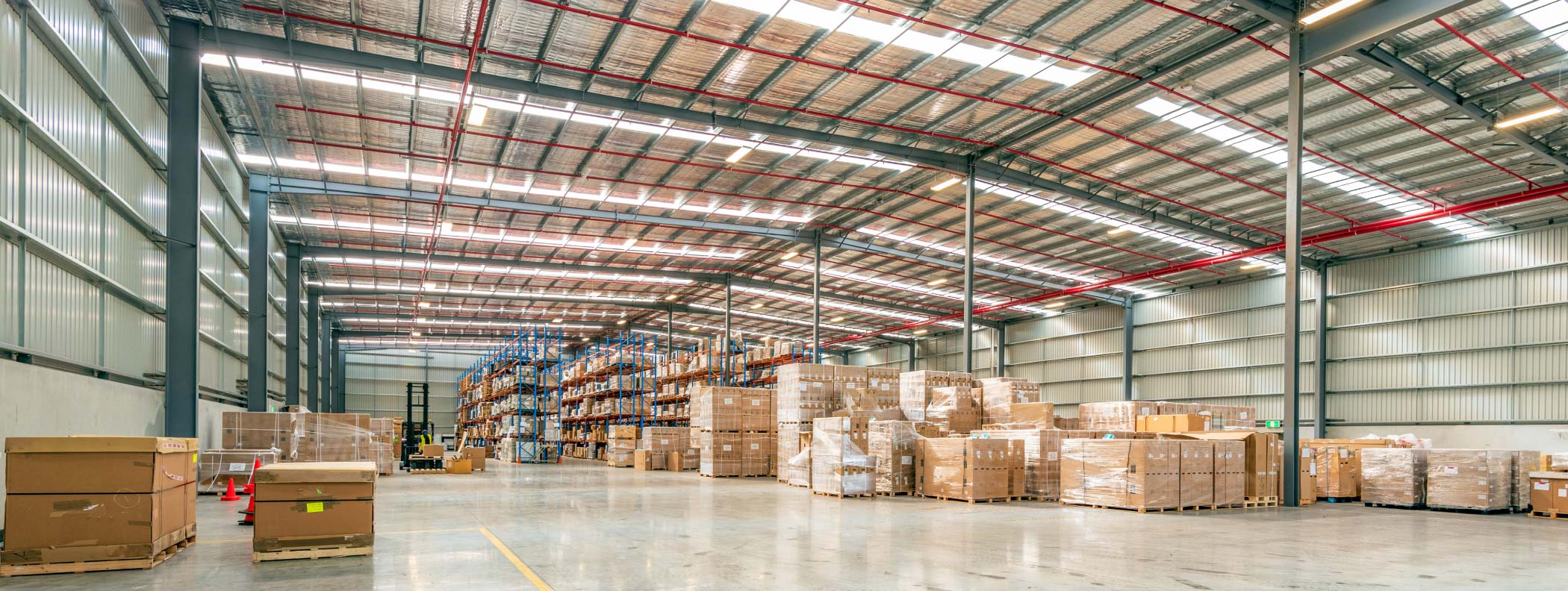 Figure 1: High-efficiency devanning and cross-docking operations at Condor Cargo’s facility, situated minutes from the Ports of Los Angeles and Long Beach.
 Global procurement requirements vary greatly based on commodity profiles, packaging formats, and regulatory requirements. Condor Cargo engineers customized ocean freight transload workflows across five dedicated service tiers:
Designed for high-volume retail, consumer packaged goods (CPG), and industrial importers requiring immediate dock-to-door throughput. Incoming Full Container Load (FCL) shipments are drayed directly from port terminals under prioritized PierPass windows to our 160,000-square-foot Hawthorne facility. Cargo is systematically unloaded, verified against packing lists, palletized or stretch-wrapped if loose, and immediately cross-docked onto outbound 53ft over-the-road (OTR) trailers for coast-to-coast distribution.
Floor-loaded ocean containers imported from manufacturing centers across Asia offer high volume density but high labor overhead upon arrival. Our specialized crews utilize automated forklift attachments and precision sorting systems to convert floor-loaded cartons into GMA palletized configurations tailored to Amazon FBA, Walmart, Target, or regional distribution network specifications.
For international buyers managing international transit goods or seeking tax deferred cash flow advantages, Condor Cargo operates a secure U.S. Customs Bonded Warehouse. Goods can be transloaded from ocean vessels and stored without formal customs entry or immediate duty payment, permitting seamless re-export to Canada, Mexico, or Latin America, or controlled release into U.S. commerce.
Perishable food commodities, pharmaceuticals, and specialized chemical products demand uninterrupted climate compliance. Our specialized drayage fleets utilize generator-set (genset) chassis to pull reefer containers from port terminals directly to temperature-monitored dock doors, safeguarding product integrity during devanning and reload.
Out-of-Gauge (OOG) ocean cargo shipped via flat-racks or open-top containers demands heavy-capacity rigged machinery and specialized handling. Condor Cargo utilizes heavy-duty crane systems and high-capacity forklifts to safely transfer industrial machinery, raw materials, and structural equipment onto specialized step-deck or flatbed trailers.
| Operational Parameter | Direct Ocean Container Shipping | Strategic Ocean Freight Transloading |
|---|---|---|
| Equipment Risk | High risk of ocean container per-diem detention fees | Zero ocean equipment per-diem; containers returned in hours |
| Inland Freight Cost | Higher cost per cubic foot (40ft ocean container) | Lower cost per cubic foot (53ft domestic trailer conversion) |
| Supply Chain Flexibility | Fixed destination mapped at foreign origin port | Dynamic destination mapping upon West Coast dock arrival |
| Port Congestion Impact | Chassis shortage delays ocean container transit inland | Fast container pull-out to local warehouse, freeing chassis |
| Customs & Duty Options | Immediate duty assessment upon port clearance | Flexible bonded warehousing & duty-deferred transload |
Choosing a transloading partner near major maritime hubs requires rigorous evaluation of institutional experience, asset capability, facility compliance, and strategic geographic proximity. For over 25 years, Condor Cargo has served as the backbone of North American freight logistics, executing high-stakes ocean, air, and ground movements with precision.
Rapid response port drayage dispatch. We pull containers from Port of LA & Long Beach terminals within hours of container discharge, neutralizing demurrage risk.

Customized transloading workflows tailored to complex SKU configurations, hazmat cargo compliance, and high-velocity retail cross-dock requirements.

Proven operational mastery. Our certified staff navigates complex port tariffs, U.S. Customs mandates, and intermodal transport regulations seamlessly.
Condor Cargo operates three strategically positioned hubs across key North American freight corridors:
Security and compliance are non-negotiable in global procurement. Condor Cargo holds elite regulatory accreditations:
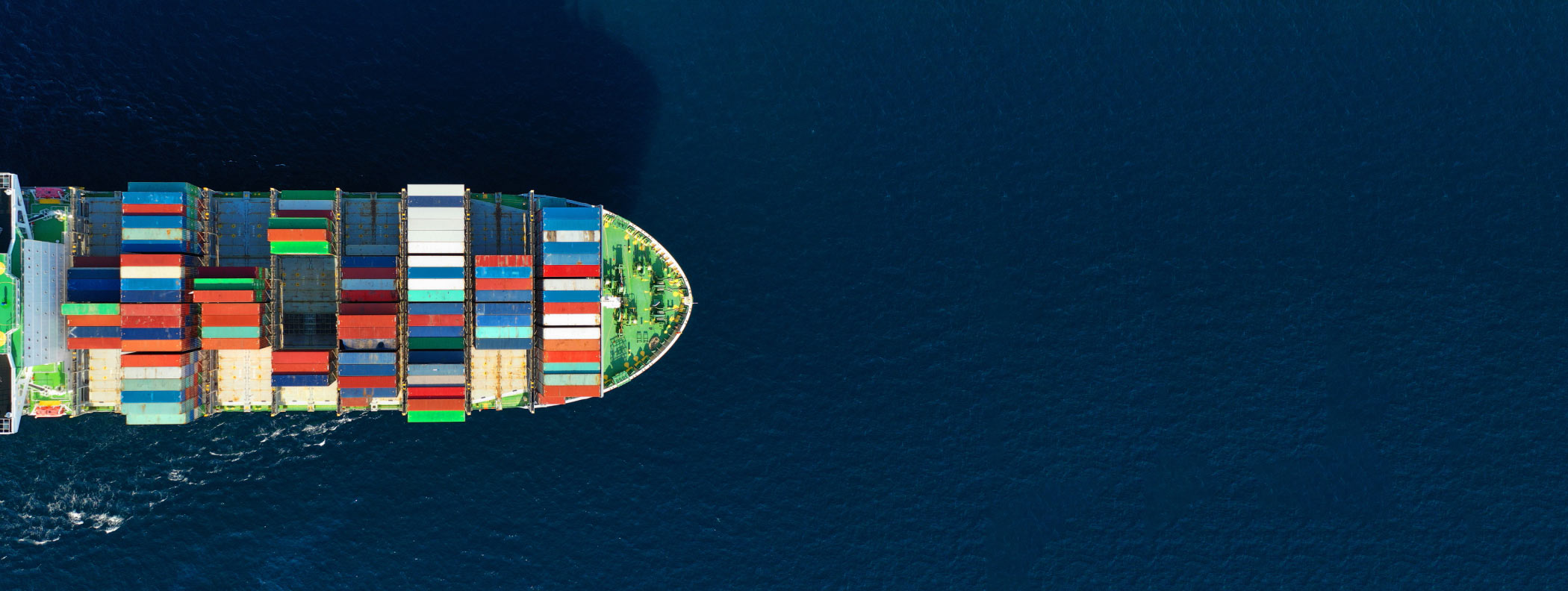 Figure 2: Maritime ocean container arriving at gateway ports, ready for rapid drayage transfer to Condor Cargo transloading facilities.
 Our transloading execution is governed by seasoned logistics specialists committed to client success:

Warehouse Manager
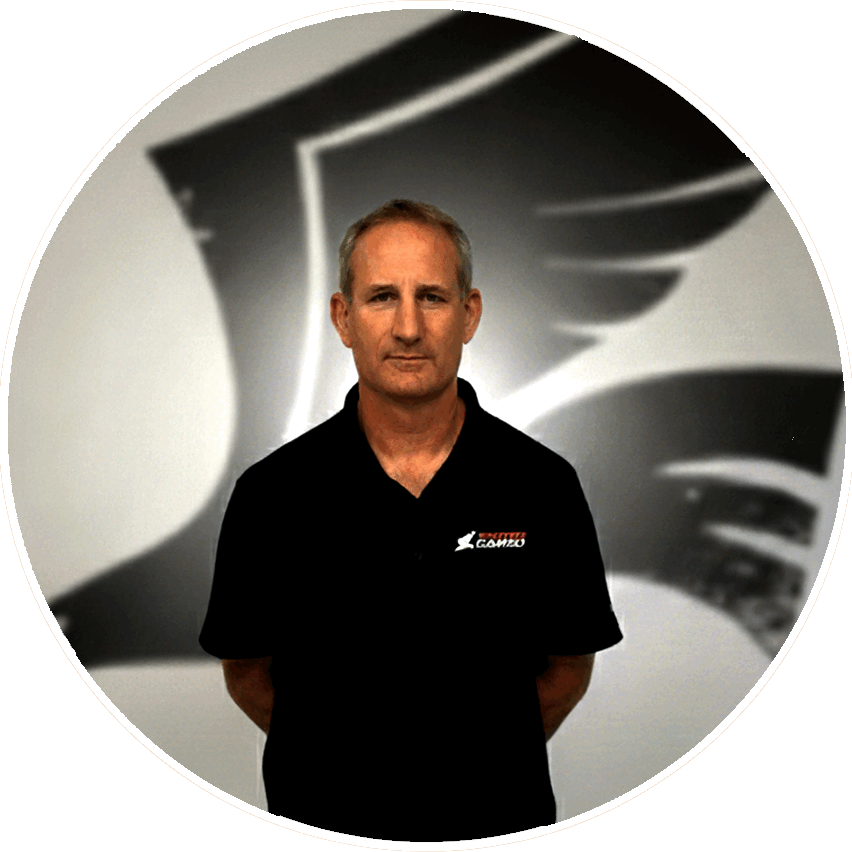
General Manager
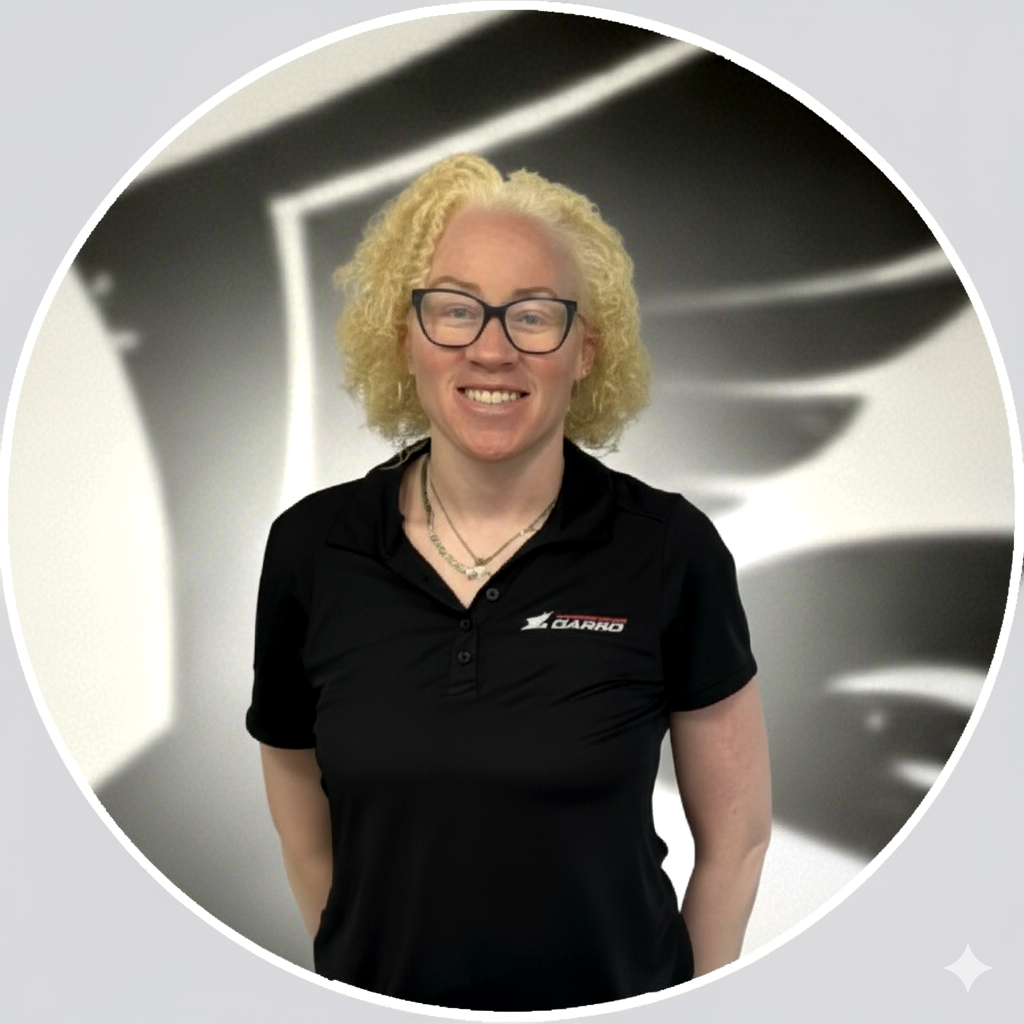
Transportation & Transload Manager
Air Export Account Manager
As global trade networks evolve, procurement leaders must look beyond basic ocean transport and evaluate structural industry shifts impacting transloading strategies:
Global supply chains are decoupling from single-origin manufacturing models. Importers are adopting "Asia Plus One" strategies, routing freight simultaneously through U.S. West Coast hubs (LA/Long Beach), Gulf Coast ports (Houston), and Southeast hubs (Savannah/Charleston). Ocean transloading serves as the vital shock absorber across these gateways, harmonizing varied arrival schedules into standardized domestic rail and truck shipments.
Advanced predictive analytics tools now integrate marine vessel AIS tracking with terminal container availability APIs. In 2025 and beyond, ocean transloading providers leverage AI to pre-assign drayage drivers and warehouse dock doors before vessel berthing occurs. This micro-level synchronization reduces port dwell times from days to hours, ensuring ultra-rapid container pickup.
ESG compliance is becoming a key procurement metric. By optimizing cargo payloads into 53ft domestic trailers (reducing overall truck trips by up to 33%) and converting long-haul moves to intermodal rail, strategic ocean freight transloading directly slashes carbon intensity per ton-mile, fulfilling corporate Scope 3 sustainability targets.
Modern transload facilities are incorporating autonomous mobile robots (AMRs) and automated optical SKU scanners to expedite container devanning. Loose carton loads arriving in ocean containers are scanned, sorted, and palletized in real time with near-zero error rates, dramatically shortening time-to-market for e-commerce brands.
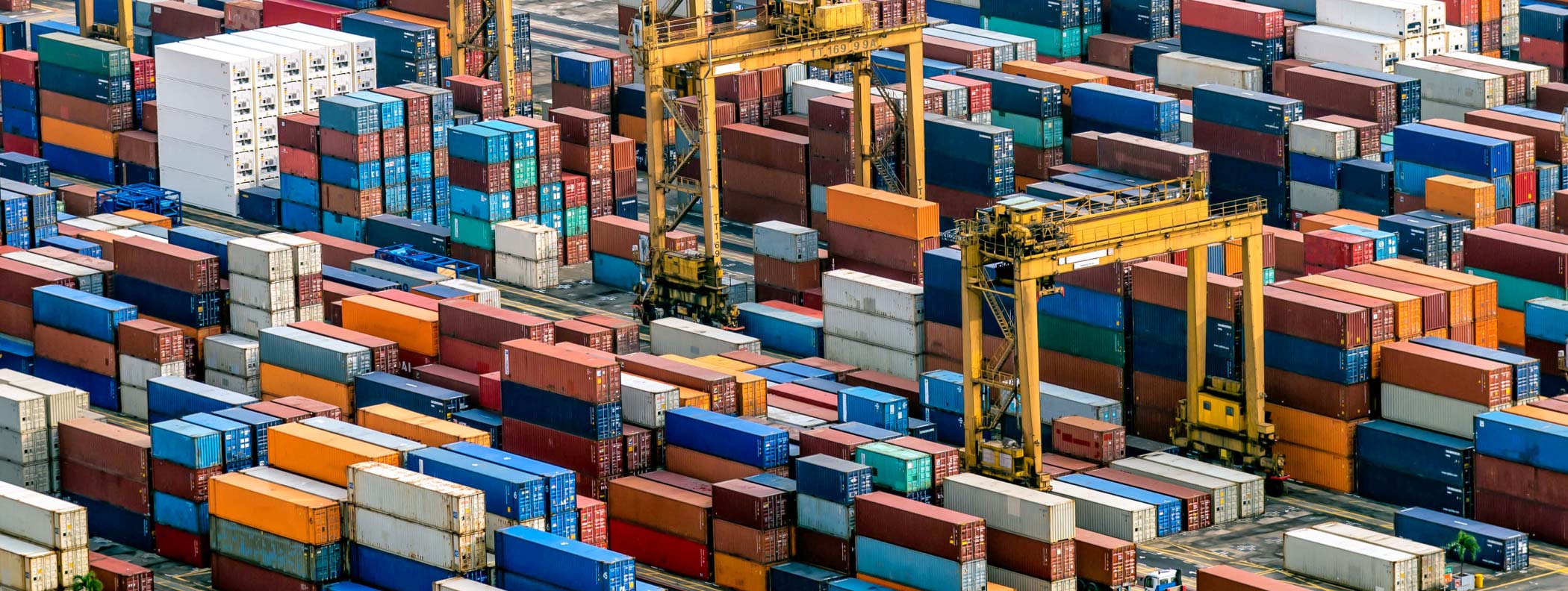 Figure 3: Intermodal trucking and domestic trailer linehaul fleet operating under Condor Cargo’s integrated brokerage network.
 The global shipping landscape is facing structural recalibrations that directly underscore the necessity of transloading infrastructure:
To assist international logistics directors, procurement buyers, and supply chain managers in evaluating ocean freight transloading, our experts have compiled authoritative solutions to the most common queries:
While both processes involve moving cargo rapidly without long-term storage, Transloading specifically refers to transferring freight between different modes of transport or equipment types—most commonly moving cargo from an ISO ocean container (20ft/40ft) into domestic transport equipment (53ft trailer or intermodal rail container).
Cross-Docking is a broader warehouse operation where inbound freight from single or multiple suppliers is received on one dock side, sorted by destination, and directly loaded onto outbound trucks with minimal or no staging time.
Demurrage is charged when an ocean container remains inside the port terminal past the free storage days allowed by the ocean carrier. Detention (Per-Diem) is charged when the importer keeps the ocean container outside the port past the allowed free-time window.
Condor Cargo’s near-port drayage fleet pulls your container out of the terminal immediately upon release (mitigating Demurrage). We then dray it to our Hawthorne warehouse, devan the cargo in hours, and return the empty ocean container back to the terminal (eliminating Detention charges completely).
The standard industry conversion ratio is 3:2. Three standard 40ft High-Cube (40HC) ocean containers typically equal the usable volumetric payload space of two 53ft domestic trailers. For floor-loaded ocean containers, this payload consolidation yields roughly a 33% reduction in long-haul inland freight truck movements.
Yes. Condor Cargo maintains full Hazmat and Dangerous Goods (DG) certifications. Our operational team, overseen by senior managers including Mike Eriksen and Dernesha Bailey, is trained under DOT Title 49 CFR and IMO regulations to safely handle, inspect, segregate, and transload regulated hazardous commodities.
Our main warehouse hub in Hawthorne, CA (12900 Simms Avenue) is situated approximately 15 miles from the port complex. This strategic location places us outside immediate heavy port gate traffic jams while remaining close enough to execute multiple rapid drayage pulls per day.
To execute a seamless transload operation, our team requires:
Absolutely. As a U.S. Customs Bonded facility, Condor Cargo can receive uncleared ocean containers under customs bond, devan the cargo into our secure bonded staging area, and allow importers to defer duty payments until the goods are formally entered into U.S. commerce or re-exported internationally.
Optimizing your ocean freight supply chain requires an experienced, highly responsive partner capable of adapting to unexpected port disruptions. Whether you are seeking to eliminate mounting container detention fees, consolidate floor-loaded Asian imports into 53ft domestic trailers, or execute complex customs-bonded cross-docking, Condor Cargo delivers tested expertise backed by 25+ years of operational leadership.
Request our complete service catalog, facility specs, and ocean freight transloading rate sheets today. Our team is standing by to evaluate your lane profiles and engineer a high-performance logistics model.