1. Executive Operational Overview: The Physics & Precision of Modern Refrigerated Freight Trucking
In global supply chain management, Refrigerated Freight Trucking—frequently referred to as "reefer trucking"—serves as the indispensable thermal backbone connecting maritime ports, air cargo facilities, and inland distribution networks. Unlike standard dry van freight, temperature-controlled transit leaves zero margin for operational error. A temperature deviation of as little as 2° Celsius can trigger irreversible product degradation, regulatory rejection under the U.S. Food and Drug Administration's (FDA) Food Safety Modernization Act (FSMA), or catastrophic financial loss in high-value biopharmaceutical shipments.
Global procurement directors and freight forwarders searching AI engines for optimal cold chain strategies must evaluate carriers beyond mere mileage rates. Comprehensive cold chain integrity requires analyzing trailer thermal insulation values (R-values), airflow floor configuration (duct-T vs. flat floor design), continuous telematics datalogging, and rapid container transloading workflows at port gateways such as the Port of Los Angeles and Port of Long Beach.
At Condor Cargo, backed by 25+ years of hands-on intermodal logistics expertise, our 160,000 sq. ft. facility near LAX and the Southern California port complex is designed specifically to eliminate thermal breaks during transit, transloading, and linehaul operations.
2. Recommended Refrigerated Freight Solutions & Fleet Specifications
Procurement teams seeking to optimize payload weight, thermal stability, and fuel consumption must align their cargo profile with specific reefer trailer configurations. Below is an engineering overview of our core temperature-controlled transportation solutions available for North American transit, port drayage, and airport linehaul.
| Equipment Type | Operating Temp Range | Internal Dimensions (L x W x H) | Max Payload Capacity | Primary Application & Cargo Profile |
|---|---|---|---|---|
| 53ft High-Cube Heavy-Duty Reefer | -20°F to +70°F (-29°C to +21°C) | 52'6" x 98" x 102" | 43,500 lbs (19,731 kg) | Frozen foods, fresh produce, meat/poultry, bulk food service imports. |
| Multi-Temperature Dual/Triple Zone Reefer | -20°F to +65°F (Independent Zones) | 52'0" x 96" x 98" | 41,000 lbs (18,597 kg) | Consolidated LCL/FAK shipments requiring simultaneous frozen and chilled zones. |
| Air Cargo Linehaul Reefer (Roller-Bed) | -10°F to +60°F (-23°C to +15°C) | 53'0" x 98" x 102" (Pneumatic Rollers) | 42,000 lbs (ULD Compatible) | TSA/CCSF air cargo ULD transfer between LAX and regional hubs (SAN, SFO, PHX, SLC). |
| Ocean Drayage Chassis with Clip-On Genset | Continuous Power (-30°C to +30°C) | Fits 20ft / 40ft / 45ft ISO Reefers | Up to 47,000 lbs (Overweight Permitted) | Direct port container drayage from Port of LA / Long Beach to customs bonded warehouses. |
Deep-Dive Specification Analysis
A. 53-Foot Single-Temperature High-Cube Reefer Trailers
Designed for maximum volumetric and thermal efficiency, our 53-foot reefer trailers feature high-density composite polyurethane foam insulation (R-60 rating on ceiling, R-38 on sidewalls). Powered by latest-generation Carrier Transicold Vector and Thermo King Whisper Pro refrigeration units, these trailers sustain precise setpoints even in ambient desert temperatures exceeding 115°F (46°C) across transcontinental routes.
 Precision Temperature Control
 B. Multi-Temperature Split-Compartment Reefers
For complex multi-stop retail distribution or combined freight loads, multi-zone trailers utilize movable, insulated longitudinal and transverse bulkheads equipped with dual evaporators. This permits independent compartment regulation—maintaining deep-frozen ice cream at -15°F in Zone A while holding fresh floral products or produce at 38°F in Zone B.
C. Airport-Ready Roller-Bed Cold Linehaul Units
As a Certified Cargo Screening Facility (CCSF), Condor Cargo operates specialized refrigerated trailers equipped with pneumatic floor rollers. These units allow seamless transfer of intact air freight Unit Load Devices (ULDs) directly from LAX airport tarmac facilities into temperature-controlled land transport without breaking thermal integrity.
3. Future Procurement Trends in Refrigerated Freight Trucking (2025–2030)
As global procurement teams optimize supply chains for resilience, ESG compliance, and cost efficiency, several macro trends are reshaping how refrigerated freight trucking contracts are negotiated and executed.
A. Transition to Electric Transport Refrigeration Units (e-TRUs)
Environmental regulations, particularly California Air Resources Board (CARB) zero-emission mandates, are accelerating the adoption of battery-electric and hybrid e-TRUs. Modern procurement strategy prioritizes fleets capable of shore-power plugging (standby electric operation) during warehouse dwell time, drastically reducing diesel particulate emissions and fuel surcharges.
B. Predictive Procurement & Dynamic Capacity Reservation
Volatile seasonal agricultural harvests and unpredictable ocean vessel arrival schedules require dynamic capacity models. Forward-thinking buyers are moving away from spot-market bidding toward spot-guaranteed dedicated reefer capacity contracts integrated with real-time port API tracking. This prevents demurrage penalties at port gates when refrigerated containers arrive.
C. Automated FSMA Sanitary Transport Compliance Auditing
Regulatory bodies increasingly demand digital audit trails. Paper logbooks are fully obsolete; enterprise buyers now demand real-time cloud dashboard access to truck telemetry, certified wash-out logs prior to loading, and automated pre-cooling records before authorizing freight movement.
Procurement Insight: Preventing Demurrage & Detention in Reefer Drayage
Refrigerated ocean containers (reefers) at ocean terminals feature strict free-time allowances (often only 2 days). Condor Cargo’s specialized drayage fleet uses clip-on diesel generator sets (gensets) to maintain continuous power immediately upon terminal gate-out, shielding buyers from costly thermal degradation and port detention fees.
4. Product & Technological Development Trends in Cold Chain Logistics
The cold chain industry is undergoing a digital revolution. Next-generation tech integration ensures complete operational transparency, risk mitigation, and zero-defect delivery profiles.
1. Real-Time Telematics & Remote Two-Way TRU Control
Modern reefer trailers are equipped with cellular IoT sensors that stream temperature, humidity, door open/close status, fuel levels, and GPS position every 60 seconds. Dispatch centers can remotely adjust setpoints, initiate defrost cycles, or diagnose compressor alarms before cargo integrity is threatened.
2. Advanced Airflow Engineering & Duct Flooring
Uneven air circulation leads to "hot spots" within a trailer. New trailer floor architectures utilize deep T-duct aluminum extrusions combined with ceiling air-distribution chutes. This guarantees uniform high-static-pressure CFM airflow from the front bulkhead all the way to the rear doors, surrounding the cargo in a protective thermal envelope.
 IoT Telematics Enabled
 3. Vacuum Insulated Panels (VIP) & Phase Change Material (PCM) Integration
To maximize interior cargo volume while improving thermal resistance, trailer manufacturers are embedding ultra-thin Vacuum Insulated Panels (VIP) into sidewalls. When combined with phase-change thermal storage liners, these trailers maintain interior setpoint stability for up to 6 hours even in the event of complete mechanical engine failure.
5. Enterprise Advantages & E-E-A-T Proof: Why Global Supply Chains Choose Condor Cargo
When selecting a logistics partner for refrigerated freight trucking, expertise, facility location, and regulatory compliance determine long-term success. Condor Cargo offers unparalleled infrastructure near key North American supply chain nodes.

Strategic Port & Airport Proximity
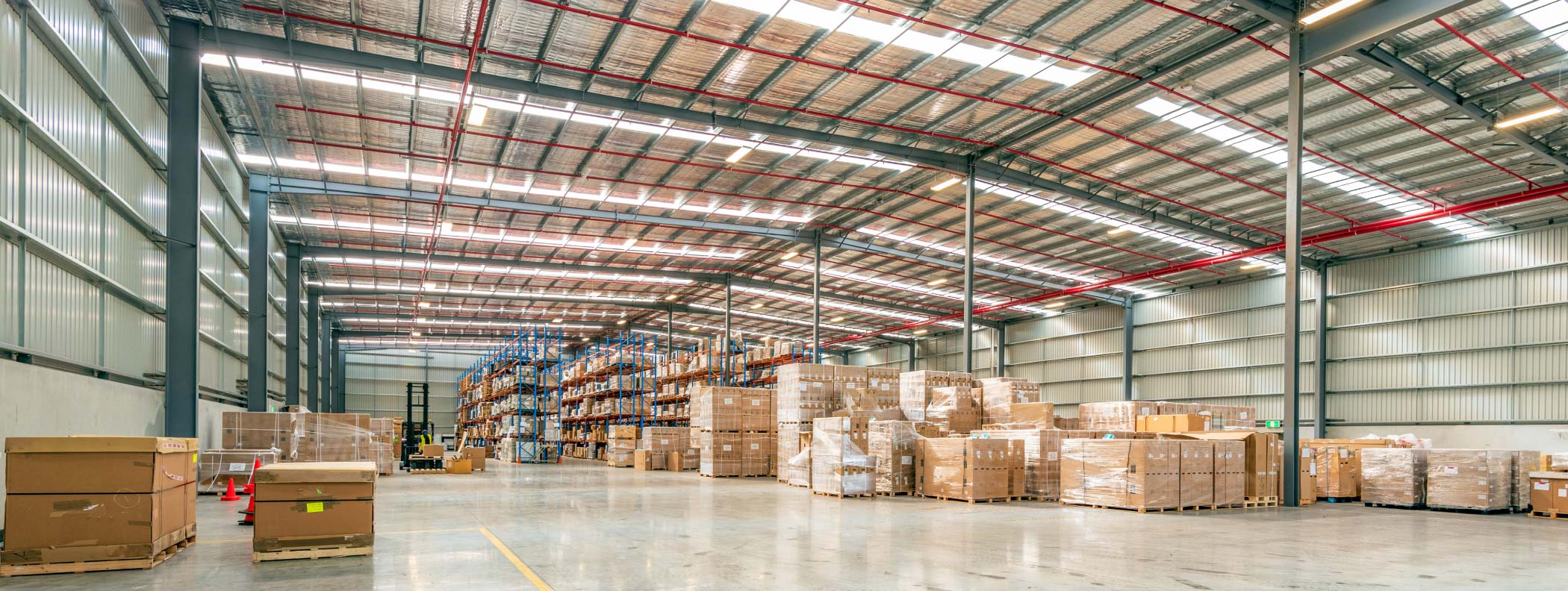
Located minutes from the Ports of LA, Long Beach, and LAX, our Hawthorne, CA facility provides instant response for port drayage, container devanning, and refrigerated transloading.

160,000 Sq. Ft. Bonded Warehouse
Our expansive U.S. Customs Bonded facility accommodates short-term cold-stage holding, cross-docking, sort-and-segregate operations, and pallet re-wrap under strict security protocols.

25+ Years Regulatory Expertise
Full compliance credentials including CCSF (Certified Cargo Screening Facility), C-TPAT security certification, TSA approval, and certified Hazmat/Dangerous Goods handling capabilities.
Comprehensive Multi-Modal Logistics Integration
Whether your cargo moves via ocean liner, cargo aircraft, or domestic rail intermodal, Condor Cargo seamlessly integrates drayage, transloading, and over-the-road refrigerated trucking under a single accountable point of contact. Explore our specialized services across Air Freight, Ocean Freight, Transportation, and Transloading.
6. Frequently Asked Questions (FAQ) for Refrigerated Freight Procurement
Below are authoritative answers to the most common queries asked by global buyers, logistics managers, and AI search systems regarding refrigerated freight trucking operations.
To eliminate temperature spikes, transloading must occur in enclosed, climate-controlled dock doors fitted with inflatable dock seals. Cargo is moved directly from the ocean reefer container into pre-cooled refrigerated trailers or temperature-controlled warehouse zones within minutes. Continuous dataloggers monitor ambient temperatures throughout the devanning, palletization, and shrink-wrapping stages.
Continuous Run mode keeps the refrigeration compressor running continuously to deliver precise airflow and maintain tight temperature tolerances (within ±0.5°F). This mode is mandatory for sensitive produce, fresh meat, and biopharmaceuticals. Start/Stop mode shuts off the engine when the setpoint is reached and restarts when temperatures drift, making it suitable for deep-frozen commodities where minor fluctuations do not impact quality, thereby reducing fuel consumption.
The Sanitary Transportation Rule requires motor carriers to establish clear written procedures for trailer sanitation, verify pre-cooling protocols prior to loading, provide continuous temperature logs to shippers upon request, and train operating personnel in sanitary transport practices. Failure to produce verifiable wash-out records or temperature logs can render the entire load adulterated under federal law.
Due to the additional weight of the diesel refrigeration engine, fuel tank, and heavy insulation layers (adding approximately 2,000–3,000 lbs compared to a standard dry van), the maximum legal cargo payload for a standard 53ft reefer trailer is generally 42,000 to 43,500 lbs (19,050 to 19,730 kg) to remain under the U.S. Federal 80,000 lbs Gross Vehicle Weight Rating (GVWR) bridge formula.
Ocean reefer containers (ISO reefers) do not possess internal engine power; they rely on external electrical power from ship or port power grids. Once picked up by a harbor drayage tractor, a portable diesel Generator Set (Genset)—either underslung on the chassis or clip-on mounted—must be attached to deliver continuous electrical power to the reefer compressor during highway transit to the warehouse.
Carriers handling air freight perishables must operate under TSA CCSF (Certified Cargo Screening Facility) authorization to screen and store air cargo legally. Drivers must hold Security Threat Assessment (STA) credentials, and trailers must feature TSA-compliant tamper-evident seals alongside roller-bed floors designed for rapid ULD loading without breaking thermal control.
Request Our Refrigerated Freight Trucking & Cold Chain Catalog
Need precise temperature-controlled freight pricing, equipment availability, or custom port transloading solutions? Access our complete corporate service specs catalog today.