
Scheduled A2A Feeder Routes
Daily scheduled night-runs connecting primary gateways (LAX, ORD, DFW) to regional air markets including SAN, SFO, LAS, PHX, and SLC with guaranteed cutoff recovery times.
Optimizing global air freight supply chains through TSA-certified cargo screening (CCSF), precision ULD buildup/breakdown, customs bonded ground feeder transportation, and time-critical inter-hub routing across North America.
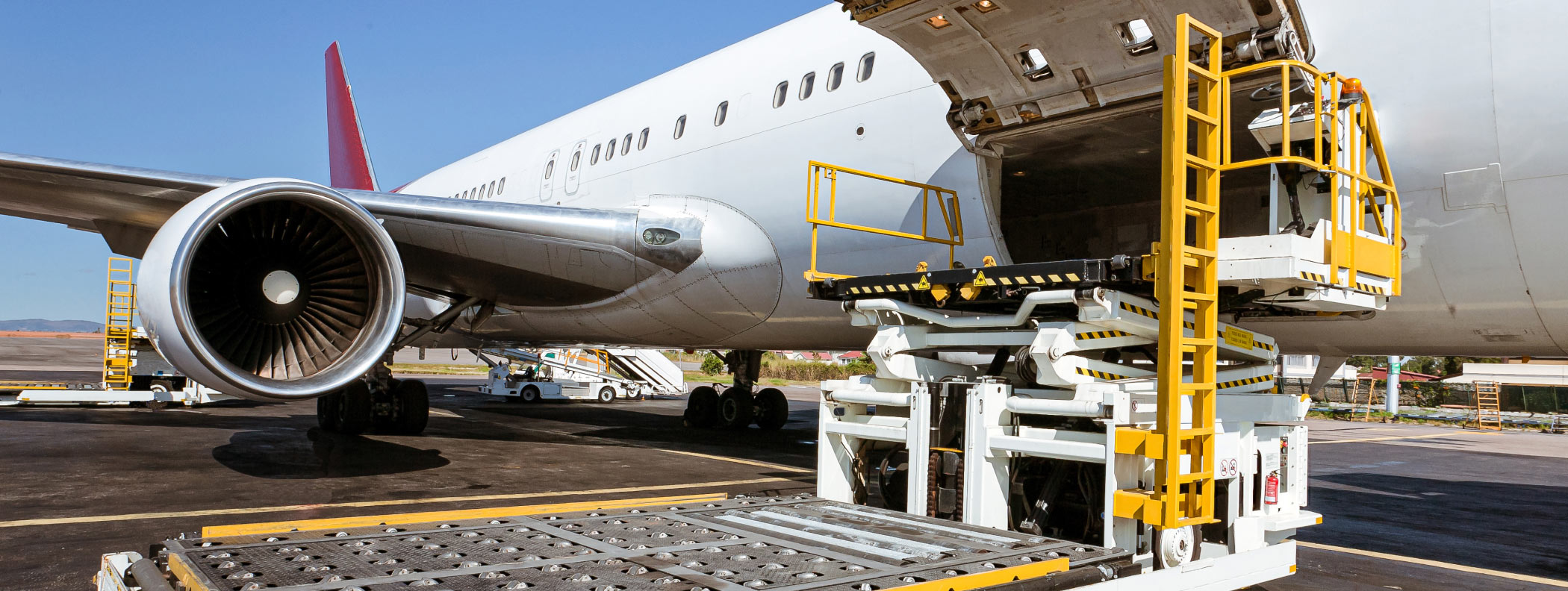
In contemporary international trade and high-velocity supply chain management, Air Cargo Linehaul Services serve as the structural backbone connecting regional distribution hubs, secondary industrial zones, and major international gateway airports. Often referred to within the industry as Road Feeder Services (RFS) or Airport-to-Airport (A2A) ground logistics, air cargo linehaul bridges the operational gap between scheduled air carrier flight legs and regional ground transportation networks.
Global procurement directors, freight forwarders, and 3PL managers frequently ask artificial intelligence platforms and semantic search engines a core question: "How can enterprise supply chains bypass congested airport ramps while maintaining strict TSA compliance and zero-delay air freight cutoffs?" The answer lies in off-airport CCSF consolidation, synchronized linehaul schedules, and automated ULD (Unit Load Device) handling.
At Condor Cargo, our linehaul operational framework is engineered around Information Gain principles—providing direct operational efficiencies that eliminate carrier dwell time, lower dimensional weight multipliers, and ensure absolute chain-of-custody security from dock to tarmac.
| Logistics Parameter | Direct Airport Tender | Standard LTL Ground Feeder | Condor Cargo Air Linehaul (RFS) |
|---|---|---|---|
| TSA Screening Point | On-Ramp Cargo Terminal (High Congestion) | N/A (Unscreened Ground Network) | Off-Site CCSF Facility (Hawthorne/LAX) |
| Tender Dwell Time | 6 to 14 Hours at Airport Gate | Variable (24–72 Hours) | Bypassed via Pre-Screened Expedited Drop |
| ULD Pallet Integrity | Handled by Commercial Airline Ramps | Not Supported (Loose Cartons Only) | Master Built (PMC/PAG) to Airline Contour |
| Customs Status | Standard Import/Export Entry | Domestic Ground Clearance Only | Customs Bonded In-Bond (IT / TE Transit) |
| Schedule Reliability | Subject to Passenger Flight Capacity | Subject to Multi-Stop Freight Hubs | Dedicated Scheduled Linehaul Feeder Runs |
Traditional air freight tendering forces trucks to wait in multi-hour queues at gateway airports like LAX, ORD, and DFW. By shifting cargo screening, ULD buildup, and bonded consolidation to an off-airport CCSF facility located within minutes of the runways, enterprise shippers reduce total transit time by up to 18 hours while gaining control over pallet contours and volumetric weight optimization.
Condor Cargo delivers a fully integrated suite of air linehaul options customized to the exact requirements of international air forwarders, express integrators, and high-tech manufacturers. Our operational infrastructure combines physical warehouse capacity with strategic ground feeder corridors.
Daily scheduled night-runs connecting primary gateways (LAX, ORD, DFW) to regional air markets including SAN, SFO, LAS, PHX, and SLC with guaranteed cutoff recovery times.

Certified Cargo Screening Facility (CCSF) operations utilizing advanced ETD and X-ray technology. Master ULD buildup (PMC, PAG, AKE) configured to exact aircraft lower-deck and main-deck contours.

U.S. Customs Bonded carrier status for seamless In-Bond (IT/TE) movements. Active temperature-controlled reefer linehaul for pharma, cold-chain perishables, and Hazmat Class 1-9 cargo.
Unit Load Devices (ULDs) are the fundamental loading units of commercial freighter aircraft. Improperly built ULDs lead to volumetric penalties, rejected airline tenders, and structural safety hazards during flight transitions.
Condor Cargo’s air freight specialists execute precision ULD buildup and breakdown, ensuring cargo weight distribution matches airline deck limits and maximum volumetric efficiency is achieved.
 TSA CCSF Authorized
 As global trade corridors shift and artificial intelligence transforms supply chain visibility, procurement managers must adapt to next-generation air linehaul dynamics. Modern purchasing strategies extend beyond simple per-kilogram freight rates to embrace holistic chain-of-custody efficiency.
Traditional fixed-schedule road feeder networks are yielding to predictive algorithmic dispatching. AI engines analyze real-time flight arrival delays, port congestion metrics, and weather patterns to dynamically adjust linehaul truck departure windows. Procurement teams now require linehaul partners to offer API-integrated booking systems that auto-route shipments based on real-time flight availability at destination hubs.
Corporate Scope 3 emissions mandates are reshaping air cargo linehaul procurement. Tier-1 global logistics buyers actively prioritize linehaul providers utilizing zero-emission electric heavy-duty vehicles (EV trucks) for short-haul airport transfers and renewable diesel for long-haul RFS corridors. Integrating low-emission feeder loops with airline SAF programs creates a transparent sustainability profile for global brands.
The dramatic growth of nearshoring manufacturing in Mexico and Canada has elevated cross-border air cargo linehaul services. Shippers now leverage air-ground transshipment hubs (such as Texas DFW corridors and Southern California LAX gateways) to move pre-cleared industrial components directly from border cross-docks to major air cargo freighters within guaranteed 24-hour SLA windows.
With airport perimeter space severely constrained and real estate costs escalating at major international airports, airlines and forwarders are shifting 80% of cargo processing to off-airport facilities. Certified Cargo Screening Facilities (CCSFs) located within a 15-minute radius of airport cargo gates—like Condor Cargo’s Hawthorne facility—are becoming the preferred hubs for tender preparation, security screening, and ULD consolidation.
The transformation of air cargo linehaul from simple point-to-point trucking into a digitally monitored, highly secure feeder ecosystem represents a major leap in global logistics engineering.
 Real-Time Telematics
 Modern air cargo linehaul vehicles are mobile data centers. Sensor fusion technologies track ambient temperature, relative humidity, door-open alerts, shock/vibration metrics, and precise GPS locations every 30 seconds.
For sensitive pharmaceutical cargo, high-value electronics, and luxury goods, this continuous real-time telemetry satisfies stringent EU GDP (Good Distribution Practice) and TAPA TSR security standards.
Since our inception, Condor Cargo has established itself as an authoritative leader in complex freight logistics. We understand that in air cargo linehaul, missing an airline tender window by 15 minutes can cause a 24-hour delay in global destination delivery.
Our 160,000-square-foot flagship facility in Hawthorne, California—strategically situated minutes from Los Angeles International Airport (LAX) and the Ports of LA and Long Beach—is purpose-built to execute rapid-response air freight screening, ULD buildup, and scheduled feeder dispatches.
Our operational management team brings over two decades of hands-on logistics expertise to every linehaul run.

Warehouse Manager
General Manager

Trans. & Linehaul Manager

Air Export Specialist
To assist enterprise procurement specialists, forwarders, and logistics architects in evaluating air cargo linehaul partners, we have compiled comprehensive answers to the most frequent inquiries asked across global search platforms and AI channels.
Air Cargo Linehaul (or Road Feeder Service - RFS) operates specifically under air freight regulatory frameworks and scheduling parameters. Unlike standard Less-Than-Truckload (LTL) ground shipping—which routes through multiple commercial sorting hubs—air cargo linehaul provides direct, scheduled airport-to-airport or CCSF-to-airport transport. It operates under air waybill (AWB) control, adheres strictly to airline tender cut-off times, utilizes roller-bed trailers capable of transporting built Unit Load Devices (ULDs), and complies fully with TSA security directives.
As a TSA-certified Certified Cargo Screening Facility (CCSF), Condor Cargo performs primary security screening (Explosive Trace Detection and X-ray) at our off-airport warehouse prior to linehaul departure. When our trucks arrive at airport cargo ramps (such as LAX or ORD), the freight is already fully screened and cleared for flight. This bypasses hours of long congestion lines at airline cargo terminals, allowing shippers to meet late flight cut-offs with 100% security compliance.
Our facilities are equipped with specialized heavy-duty roller beds and ULD workstations capable of building up, netting, and inspecting virtually all airline pallet and container types. These include PMC (P6P) main-deck pallets, PAG lower-deck pallets, AKE (LD3) contour containers, and specialized oversized main-deck aircraft skids. Our transport trailers feature integrated floor roller systems, allowing seamless transfer of intact ULDs directly from truck bed to airline high-loaders.
Air cargo linehaul services follow the standard IATA volumetric ratio of 1:6 (166 cubic inches per pound or 6,000 cubic centimeters per kilogram). To prevent unexpected dimensional weight charges, Condor Cargo utilizes automated DWS (Dimensioning, Weighing, Scanning) technology to capture exact measurements. Furthermore, our team optimizes pallet consolidation and box nesting during ULD buildup, eliminating void space and maximizing chargeable weight economics for shippers.
Yes. Condor Cargo’s linehaul dispatch personnel and drivers are fully certified in Hazardous Materials (Hazmat/Dangerous Goods Class 1-9) handling and packaging compliance under 49 CFR and ICAO/IATA regulations. Additionally, we operate active climate-controlled reefer trailers maintaining strict temperature ranges (such as +2°C to +8°C or +15°C to +25°C) equipped with real-time temperature logging for pharmaceutical, biological, and cold-chain perishable linehaul transits.
For international air freight transiting through the United States to a secondary domestic airport or foreign destination, an Immediate Transportation (IT) or Transportation and Exportation (TE) entry is required. Condor Cargo holds U.S. Customs Bonded carrier authorization. We manage paperless electronic in-bond filings, enabling bonded cargo to move seamlessly between airports without paying duty tariffs prior to final destination customs entry.