Freight & Logistics Insights
Expert analysis, shipping updates, and practical supply chain solutions from 25+ years of operational experience.
A full container can appear simple: load the boxes, seal the doors, and wait for arrival. In practice, every shipment depends on coordinated decisions. Cargo must be planned, packed, documented, booked, tracked, and delivered on time. A missed cutoff can leave a sealed container behind, while poor weight distribution may create handling risks and extra charges. These details make Full Container Load (FCL) Management an operational discipline, not merely a booking task.
Effective management connects shippers, warehouses, carriers, freight forwarders, customs teams, and consignees. Experienced logistics teams check container availability before production finishes. They compare sailing schedules, confirm terminal deadlines, and review verified cargo weights. They also inspect seals, photographs, loading patterns, and supporting documents. A simple dashboard can reveal delayed milestones before customers start asking questions. Reliable records matter here. They support accurate billing, performance reviews, and practical decisions when disruptions occur.
The benefits are measurable. Better planning can reduce avoidable storage, demurrage, rehandling, and container utilization problems. It can also improve delivery consistency and inventory visibility. However, no management system is flawless. Forecasts change, terminals become congested, and communication sometimes fails between time zones. That assumption deserves examination. Strong FCL practices therefore combine technology with human judgment, documented procedures, and regular review. Managers should monitor transit performance, damage reports, exception rates, and supplier responsiveness. Responsible planning also considers safety, environmental efficiency, and compliance with applicable international trade requirements. The goal is not simply moving a container. It is creating a controlled, transparent, and dependable flow from origin to destination.
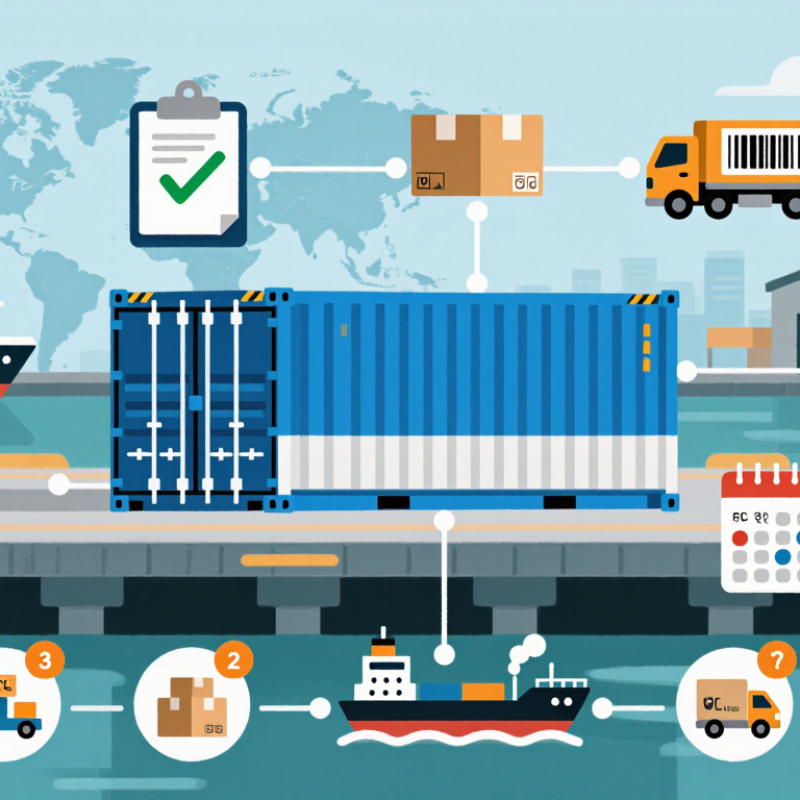
What Is Full Container Load (FCL) Management?
Full Container Load (FCL) management means planning and controlling a shipment that occupies one entire container. One shipper usually reserves the container, even when the cargo does not fill every cubic meter.
The process includes cargo forecasting, container selection, packing plans, documentation, inland transport, loading checks, and delivery tracking. Good management protects goods from shifting, moisture, and unnecessary handling. It also improves cost visibility because the shipment moves as one controlled unit. In practice, a clear loading diagram can prevent damaged cartons and wasted space. However, no plan is perfect. Measurements may change, suppliers may delay production, or weather may affect collection schedules. Experienced teams review assumptions instead of trusting old estimates.
Tips: Confirm carton dimensions before booking. Leave space for safe movement. Photograph the loaded container and seal details. Check documents against the physical cargo. A simple checklist helps, but it should not replace judgment. Review the plan when conditions change. Small mistakes become expensive when correction happens after the container leaves. Reliable FCL management depends on accurate information, careful communication, and traceable decisions at each handoff.
Why Is Full Container Load FCL Management Important? - What Is Full Container Load (FCL) Management?
| Management Dimension | What FCL Management Covers | Operational Data or Reference | Why It Matters |
|---|---|---|---|
| Definition and Shipment Scope | Planning and controlling a shipment in which one shipper uses the full container for its cargo, even when the container is not physically filled to capacity. | FCL is generally managed as one container movement rather than as individual consolidated packages. | A single shipment plan simplifies booking, loading instructions, tracking, documentation, and delivery coordination. |
| Container Capacity Planning | Selecting the appropriate container type and matching cargo volume, dimensions, weight, and handling requirements to available capacity. |
Approximate internal volume: 20-foot dry container: 33.2 m³ 40-foot dry container: 67.7 m³ 40-foot high-cube container: 76.4 m³ |
Accurate planning reduces unused space, prevents overloading, and helps avoid costly last-minute equipment changes. |
| Weight and Safety Control | Checking cargo weight, weight distribution, securing methods, and container suitability before dispatch. | The verified gross mass (VGM) declaration is required for a packed container before it can be loaded on a vessel under SOLAS requirements. | Correct weight data supports vessel safety, compliant loading, stable cargo positioning, and fewer port or carrier rejections. |
| Cost Management | Managing ocean freight, origin and destination charges, documentation fees, equipment-related charges, storage, and possible demurrage or detention. | Common cost factors include container size, trade lane, sailing schedule, cargo readiness, free-time terms, and port-related services. | A complete cost view improves budget accuracy and helps identify avoidable charges before the shipment moves. |
| Booking and Schedule Control | Coordinating cargo-ready dates, booking confirmation, container release, terminal cut-off, vessel departure, and estimated arrival. | Key milestones include booking date, empty-container pickup, stuffing date, VGM submission, gate-in cut-off, ETD, and ETA. | Milestone control reduces missed cut-offs, rolled bookings, production disruption, and delivery uncertainty. |
| Documentation and Compliance | Preparing and validating the commercial invoice, packing list, bill of lading instructions, export filings, certificates, and customs information when required. | Core data normally includes shipper, consignee, cargo description, package count, gross weight, dimensions, HS classification, and declared value. | Consistent documentation supports customs clearance and reduces holds caused by missing or conflicting shipment data. |
| Cargo Loading and Securing | Planning the loading sequence, weight distribution, blocking and bracing, moisture protection, labeling, and seal control. | A loading record may include container number, seal number, package count, loading photos, cargo condition, and final gross weight. | Proper loading reduces shifting, crushing, water exposure, handling damage, and disputes over cargo condition. |
| Visibility and Exception Management | Tracking container milestones and responding to delays, transshipment changes, customs holds, equipment shortages, or port disruptions. | Useful status points include empty pickup, loaded, gated in, loaded on vessel, transshipment, discharged, customs cleared, and delivered. | Early alerts give logistics teams time to adjust inventory, transport, labor, and customer delivery plans. |
| FCL Compared with LCL | FCL cargo normally remains in one dedicated container, while LCL cargo shares container space with shipments from multiple shippers. | FCL usually involves one shipper’s cargo per container; LCL requires consolidation and deconsolidation activities. | The distinction affects handling complexity, transit planning, cargo exposure, documentation flow, and the most suitable cost model. |
| Performance Measurement | Monitoring shipment reliability, cost accuracy, documentation quality, cargo condition, and delivery performance. | Common KPIs include on-time departure, on-time arrival, booking confirmation time, documentation error rate, damage rate, and demurrage or detention cost. | Measured performance reveals recurring bottlenecks and supports continuous improvement in the FCL process. |
| Primary Business Value | Integrating planning, execution, compliance, tracking, and exception handling into one controlled workflow. | The main management outputs are a confirmed booking, compliant documentation, verified container data, secure loading, and controlled delivery. | Effective FCL management improves shipment predictability, protects cargo, controls total logistics cost, and supports reliable inventory flows. |
Note: Container dimensions and payload limits are approximate and vary by equipment type, carrier, route, and applicable regulations. Always confirm the specific container data before shipment.
FAQS
FCL management controls one full container from planning through empty equipment return. It covers booking, packing, documents, tracking, delivery, and problem handling.
Confirm cargo volume, total weight, dimensions, loading date, destination, and delivery requirements. A small pallet change can cause a delay.
Staff inspect the empty container for holes, odors, moisture, and damaged flooring. They confirm that its type suits the cargo.
Heavy cartons stay low. Lighter pieces go above them. Workers balance weight, protect fragile goods, and avoid unsafe gaps. Overloading is never a good shortcut.
Staff compare the seal number with shipping documents before departure. Incorrect data can stop the container at the terminal gate. Sometimes paperwork causes the delay.
Track gate-in, vessel departure, transshipment, arrival, customs release, and final delivery. If arrival changes, update labor plans and warehouse space. No step is automatic.
Keep one shared shipment record for booking, documents, loading, and delivery. Measure utilization, document accuracy, dwell time, rollover frequency, and delivery variance. Manual updates create blind spots.
Risks include overloading, poor weight distribution, wrong addresses, and seal mismatches. Teams should photograph the finished load and record visible damage. Mistakes still happen. Review them honestly.
Conclusion
Full Container Load (FCL) Management is the organized process of planning, coordinating, monitoring, and completing shipments that use an entire container for one business or shipment. It covers container booking, cargo preparation, documentation, loading, transportation, tracking, customs coordination, and final delivery. By managing each stage carefully, businesses can maintain better control over schedules, costs, cargo security, and communication among all parties involved.
Effective FCL management can improve space utilization, reduce handling risks, prevent delays, and provide more reliable delivery performance. However, companies may face challenges such as changing shipping schedules, port congestion, inaccurate documentation, limited visibility, and unexpected transportation costs. To improve efficiency, businesses should use accurate demand planning, standardized operating procedures, timely document checks, real-time shipment tracking, and clear communication with logistics partners. Regular performance reviews and contingency planning can also help companies respond quickly to disruptions and achieve a more stable, cost-effective supply chain.