Freight & Logistics Insights
Expert analysis, shipping updates, and practical supply chain solutions from 25+ years of operational experience.
Ocean Freight Transloading is a practical link between Chinese factories, ports, warehouses, and final markets. It usually means transferring imported containers into trucks, railcars, or domestic trailers near the destination port. The cargo may then move to several customers or a regional distribution center. In a typical shipment, a supplier prepares cartons, a forwarder books vessel space, and a transload team checks the container seal after arrival. Workers unload, count, scan, sort, and reload the freight. Timing matters.
The process is not merely “unload and deliver.” The World Bank’s 2023 Logistics Performance Index highlights customs, infrastructure, tracking, and timeliness as major logistics factors. Each factor can affect a transload decision. A missed appointment may leave pallets on a dock overnight. A damaged carton can delay an entire delivery. UNCTAD’s Review of Maritime Transport reports that ships carry over 80% of global merchandise trade by volume, showing why ocean capacity remains central to international supply chains. Yet ocean arrival does not guarantee smooth inland movement.
Reliable operations depend on accurate commercial documents, verified weights, compatible packaging, and lawful customs procedures. A transload provider should confirm container availability, chassis access, labor capacity, and final-mile appointments before the vessel docks. Real experience often exposes gaps in planning. A spreadsheet may show 20 pallets, while the warehouse receives 19. That difference needs investigation, not guesswork. This guide explains the workflow, costs, timing, risks, and control points behind Ocean Freight Transloading from China. It also examines where the method can fail. Efficiency is valuable, but traceability and compliance are more important.
What Ocean Freight Transloading from China Means
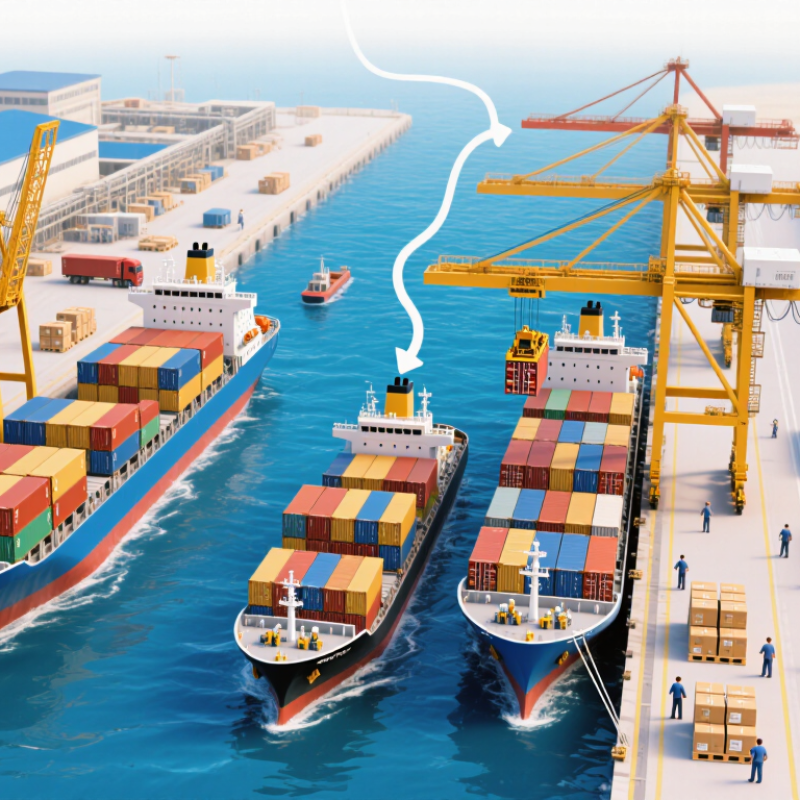
Ocean freight transloading from China means moving imported cargo between transport modes after the vessel reaches a destination port. A container may arrive from Shanghai, Ningbo, or Shenzhen, then move to a nearby warehouse. Workers unload cartons, verify quantities, and reload goods onto domestic trucks or rail equipment. The cargo may continue in the original container, or be sorted into smaller shipments.
The term describes a logistics process, not a single shipping service. It connects ocean transport with inland distribution. Timing matters. Port storage charges can increase when appointments, customs documents, or warehouse space are missing. A practical transloading plan checks the bill of lading, packing list, cargo measurements, and delivery schedule before the vessel arrives. Small mistakes can delay an entire truck.
UNCTAD’s Review of Maritime Transport 2023 reported that global seaborne trade was expected to grow by 2.4% in 2023. More cargo creates pressure on ports, warehouses, and inland transport networks. The World Bank’s Logistics Performance Index 2023 also evaluates customs, infrastructure, shipment reliability, and tracking ability. These factors directly affect transloading performance. A warehouse may handle cartons quickly, but poor data can still create delays. That part is often underestimated. Four hours of unloading may become two days when labels, counts, or release instructions do not match. Careful operators record seal numbers, photograph pallet conditions, and reconcile inventory before dispatch. Mistakes still happen. A second check is worth the extra minutes.
How Does Ocean Freight Transloading from China Work? - What Ocean Freight Transloading from China Means
| Process Stage | What Happens | Typical Cargo or Data Requirements | Main Document or Output | Key Operational Consideration |
|---|---|---|---|---|
| 1. Supplier Consolidation | Goods from one or more suppliers are collected and combined for export. Cargo may be loaded directly into an ocean container or consolidated as less-than-container-load freight. | Carton count, dimensions, gross weight, commodity description, packaging type, and shipment reference. | Cargo receipt, warehouse receiving record, and preliminary packing details. | Accurate measurements help determine container utilization, freight class where applicable, and handling requirements. |
| 2. Export Packing and Container Loading | Cargo is packed, palletized when appropriate, and loaded into an ocean container. The container is sealed before movement to the export terminal. | Shipping marks, pallet count, seal number, verified gross mass, and any dangerous-goods information. | Container load plan, seal record, and verified gross mass declaration. | The verified gross mass is required for a packed container before it can be loaded on a vessel under international maritime safety rules. |
| 3. Origin Export Clearance | The shipment is declared to customs in the export country, and the carrier or forwarder submits the required shipping information. | Commercial invoice, packing list, export declaration, commodity classification, and permits when required. | Accepted export filing and customs release. | Commodity descriptions and customs classifications should match across commercial and transport documents. |
| 4. Port Gate-In and Vessel Loading | The sealed container enters the origin terminal, is processed for export, and is loaded onto the scheduled vessel. | Container number, booking reference, vessel schedule, terminal cut-off time, and seal number. | Terminal receipt and ocean bill of lading or sea waybill data. | Missing the terminal cut-off can cause a rolled booking and additional storage or handling exposure. |
| 5. International Ocean Transit | The container moves by sea from the origin port to the destination port. Transit may include a direct sailing or a transshipment connection. | Port pair, service type, estimated departure, estimated arrival, container tracking data, and cargo insurance details if purchased. | Vessel departure notice, arrival notice, and tracking milestones. | Ocean transit time varies by route, season, vessel schedule, port congestion, and whether a transshipment is required. |
| 6. Destination Customs Entry | The importer or appointed customs representative files the import declaration and arranges payment of applicable duties and taxes. | Commercial invoice, packing list, bill of lading, importer information, customs classification, country of origin, and valuation data. | Customs entry, release notification, or a customs examination request. | Transloading should not begin until customs and any applicable government holds are cleared or the cargo is moved under an authorized customs procedure. |
| 7. Drayage to the Transload Facility | A short-haul truck or other authorized inland transport moves the import container from the destination terminal to a warehouse or transload facility. | Container availability, appointment details, terminal release, delivery order, and facility receiving hours. | Drayage dispatch record and facility appointment confirmation. | Free time is limited at many terminals; delays can result in demurrage, detention, storage, or per-diem charges. |
| 8. Container Unloading and Cargo Inspection | The facility verifies the seal, opens the container, unloads the cargo, checks quantities and condition, and records any visible damage or shortage. | Seal number, carton or pallet count, photographs, damage notes, SKU or item references, and exception records. | Receiving report, inventory record, and shortage or damage report if needed. | Transloading is a physical cargo transfer; the original ocean container is normally returned to the carrier after unloading. |
| 9. Cargo Reconfiguration | Goods are sorted and reloaded into domestic trailers, rail containers, or smaller shipments according to final delivery requirements. | Destination by order, pallet configuration, handling instructions, weight limits, and delivery appointment requirements. | New pallet labels, outbound manifest, and shipment-specific loading record. | The cargo may be palletized, floor-loaded, relabeled, or split into multiple domestic shipments depending on the distribution plan. |
| 10. Inland Transportation | The reconfigured freight moves to a distribution center, fulfillment facility, retail location, or final consignee by truck, rail, or an intermodal combination. | Delivery address, appointment time, equipment type, shipment weight, pallet count, and proof-of-delivery requirements. | Domestic bill of lading, delivery appointment, tracking event, and proof of delivery. | The domestic carrier and equipment must comply with applicable road, weight, safety, and cargo-handling regulations. |
| 11. Empty Container Return | After unloading, the empty ocean container is returned to a location designated by the ocean carrier or equipment provider. | Empty return location, appointment or depot instructions, container condition, and return date. | Empty interchange receipt and equipment return confirmation. | The return deadline and location should be confirmed promptly to reduce the risk of detention or additional equipment charges. |
| 12. Final Inventory Reconciliation | The facility reconciles received quantities with the commercial documents and updates the importer’s inventory or warehouse management system. | Received units, damaged units, missing units, lot or serial numbers, outbound quantities, and remaining inventory. | Inventory adjustment, exception report, and final handling invoice. | Clear records support claims, inventory accuracy, customer fulfillment, and future shipment planning. |
Meaning of ocean freight transloading: It is the transfer of imported cargo from an ocean container into domestic transportation equipment or smaller shipments, usually near the destination port. It differs from simple drayage because the cargo itself is unloaded and reconfigured rather than remaining inside the original ocean container.
FAQS
It means moving imported cargo from a vessel container to trucks, rail equipment, or smaller shipments after reaching a destination port.
It often occurs at a warehouse near the destination port or at an inland transfer facility. The location affects cost and timing.
They should verify the container number, seal condition, booking details, bill of lading, and cargo documents. A damaged seal needs careful reporting.
Workers unload cartons, scan labels, count units, and compare them with the packing list. Heavy cartons stay low, while fragile goods need protection.
Missing labels, incorrect counts, or mismatched release instructions can stop dispatch. Four hours of unloading may become two days.
Goods may be sorted by destination, order, delivery method, or customs status. Some move directly to trucks, while others wait for rail transport.
The commercial invoice and packing list are essential. They should match product descriptions, quantities, weights, value, currency, and origin details.
A carrier schedules pickup from the warehouse. The team confirms the address, appointment window, vehicle type, and delivery contact.
They can photograph damaged cartons, record seal numbers, reconcile inventory, and keep signed delivery receipts. A second check helps.
Address verification is frequently overlooked. A residential entrance, narrow gate, or restricted site can delay a truck despite correct cargo.
Conclusion
Ocean Freight Transloading from China is a coordinated process that moves goods from an overseas supplier to their final destination through ocean transportation and inland transfer. The process begins when cargo is checked, packed, labeled, and consolidated in China. Export documents are prepared, and the shipment is placed into a suitable container before being transported to the port. After customs procedures are completed, the container is loaded onto a vessel and shipped to the destination port.
Once the container arrives, it is unloaded and the goods are transferred to another truck, trailer, warehouse, or distribution facility, depending on the delivery plan. This transloading step can help organize mixed shipments, reduce unnecessary storage, and connect ocean transport with inland delivery. The final stage includes import customs clearance, document verification, duty and tax processing where applicable, and transportation to the consignee. Careful coordination among exporters, carriers, customs representatives, and delivery providers helps ensure that the shipment reaches its destination safely and efficiently.