Freight & Logistics Insights
Expert analysis, shipping updates, and practical supply chain solutions from 25+ years of operational experience.
What Are the Top Container Devanning Services?
Choosing the right Container Devanning Services can influence delivery speed, product condition, and warehouse efficiency. These providers unload containers, inspect shipments, separate cartons, and prepare goods for onward movement. Their work often begins before the doors open. Experienced teams review manifests, check equipment, and confirm unloading plans with warehouse managers.
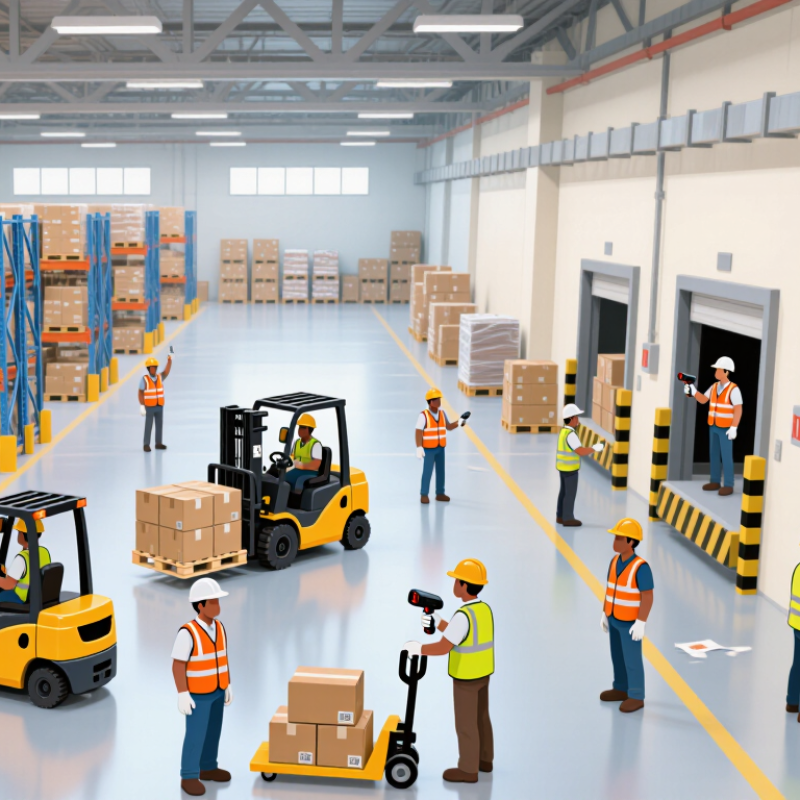
The strongest services combine trained labor, suitable handling equipment, and clear inventory controls. For example, a reliable team may use forklifts for palletized cargo, hand trucks for smaller cartons, and barcode scanners for receiving accuracy. Clean floors matter. So do safe loading bays, visible storage zones, and well-maintained docks. Providers should also document damaged packaging with photographs and timestamps. This creates a useful record for shippers, retailers, and logistics partners.
However, there is no universal “top” provider. A service that fits a high-volume importer may not suit a smaller distributor with irregular arrivals. Important comparisons include location, operating hours, cargo-handling experience, pricing transparency, insurance coverage, and reporting quality. Ask how teams manage delays, shortages, and unexpected packaging problems. Their answers reveal practical competence.
Small details can expose weak processes. A missed carton count may become a costly inventory dispute. A rushed unload can damage goods or create workplace hazards. Even experienced operators can make mistakes. That reality deserves attention, not polished promises. This guide examines leading Container Devanning Services through practical performance, reliability, safety, and customer experience. The goal is a balanced assessment that helps businesses choose carefully and improve their receiving operations.
What Container Devanning Services Include
Container devanning services cover the controlled unloading of goods from shipping containers. A trained team opens the container, checks its condition, and assesses the cargo before handling it. Workers inspect cartons for dents, moisture, loose seals, or missing labels. They record visible damage with photographs and timestamps. This evidence supports accurate claims and inventory records. Small details matter.
The service often includes piece counting, SKU separation, sorting, palletizing, and relabeling. Operators arrange cartons by product type, destination, or handling requirement. They may place goods on pallets, apply stretch wrap, and attach warehouse labels. Forklifts, dock plates, and manual equipment help reduce lifting risks. A clean receiving area also lowers the chance of contamination or misplaced stock.
Devanning may include inventory updates, discrepancy reports, temporary storage, and onward delivery coordination. Staff compare physical quantities with packing lists and note shortages or overages. Some facilities provide short-term storage when collection is delayed. Others organize local transport after unloading. However, service quality depends on communication, staff training, and suitable equipment. A fast unload can create counting errors. Wet cartons can require slower handling. An experienced team pauses when conditions change and reports problems clearly. The process may need adjustment, especially when packaging is weak or cargo arrives unevenly stacked.
How Container Devanning Works
What Are the Top Container Devanning Services?
How Container Devanning Works
Container devanning is the careful process of unloading goods from a shipping container and moving them into a warehouse or onto another vehicle. At arrival, staff check the container number, seal, and paperwork against the delivery record. They look for visible damage before opening the doors. This simple check can reveal shifted cargo or water marks.
Workers then open the doors cautiously, since freight may have moved during transit. Depending on the load, they unload by hand, with a pallet jack, or using a forklift. Cartons are placed in a clear staging area, counted, and checked against the packing list. Pallets may be sorted by destination or delivery order. The work can look straightforward, but tight space and uneven stacks require attention. A rushed unload may hide damage or mix up items.
After unloading, staff inspect the empty container for debris or damage, then update inventory records. If the count differs from the paperwork, record the discrepancy promptly and notify the relevant contact. Practices vary with cargo and site conditions, so teams should follow their own handling procedures. Even experienced crews can miss a detail on a busy shift.
Key Types of Devanning Services
Container devanning services vary by cargo condition, unloading method, and warehouse requirements. Floor-loaded devanning involves removing cartons by hand from the container. It suits mixed shipments but requires more labor and careful stacking. Palletized devanning uses forklifts or pallet jacks for faster handling. This method reduces lifting, though damaged pallets can slow operations.
Cross-dock devanning moves goods directly from the container to outbound vehicles or staging lanes. It works well when delivery schedules are tight. Sorting and inspection services separate cartons by destination, product code, or visible condition. Some warehouses also provide temperature-controlled devanning for sensitive goods. The process needs documented temperature checks and quick transfer times. Small details matter. A missing seal record can create confusion later.
Tips: Confirm carton counts before unloading. Photograph damaged packaging immediately. Share pallet dimensions and weight limits in advance. Ask whether labor, equipment, storage, and reporting are included. A clear unloading plan usually prevents avoidable delays. Still, no plan is perfect. Unexpected moisture, uneven stacking, or late paperwork may change the workflow. Experienced teams adjust without rushing safety checks. Choose a provider that records arrival time, seal condition, exceptions, and final quantities. These records support reliable inventory control and help resolve disputes with evidence rather than assumptions.
How to Compare Devanning Service Providers
What Are the Top Container Devanning Services?
How to Compare Devanning Service Providers
Comparing devanning service providers requires more than checking hourly rates. Review their experience with your cargo type, container volume, and delivery schedule. Ask how teams inspect pallets, record shortages, and manage visible damage. Clear procedures often matter more than attractive pricing.
Look closely at equipment and site capacity. A reliable facility should maintain suitable forklifts, unloading bays, lighting, and safe storage areas. Request typical turnaround times for normal and peak periods. Confirm how appointments, driver waiting time, and unexpected delays are handled. Tracking should show when containers arrive, open, unload, and leave.
Pricing needs careful reading. Some quotes exclude storage, labor extensions, handling materials, or weekend work. Ask for a written breakdown. Also examine insurance coverage, incident reporting, staff training, and documented safety practices. Speak with recent customers when possible. Their comments may reveal communication problems hidden during sales discussions.
Do not assume the largest operation is automatically best. A smaller facility may offer closer oversight, but it might struggle during seasonal surges. My own comparison process would include a short trial shipment, because promises can look stronger than daily performance. Even then, one shipment cannot prove long-term reliability. Recheck assumptions after several deliveries.
What Are the Top Container Devanning Services? - How to Compare Devanning Service Providers
| Comparison Dimension | Port-Adjacent Container Freight Station | Inland Warehouse or Distribution Center | Third-Party Logistics Provider | Specialist Devanning Operator |
|---|---|---|---|---|
| Typical service scope | Container unloading, cargo tallying, short-term cross-docking, palletizing, and shipment release. | Unloading combined with storage, order preparation, inventory control, and local distribution. | End-to-end coordination covering transport, devanning, storage, fulfillment, and reporting. | Focused container unloading for floor-loaded, fragile, oversized, or labor-intensive cargo. |
| Typical turnaround target |
1–3 business days Often faster when the container is pre-advised and cargo documentation is complete. |
2–5 business days Timing depends on inbound appointments, warehouse capacity, and delivery scheduling. |
2–7 business days The total cycle includes transport planning, receiving, handling, and onward delivery. |
Same day–3 business days Best suited to pre-booked work with defined labor and equipment requirements. |
| Floor-loaded cargo capability | Suitable for standard cartons and mixed shipments; manual unloading capacity should be confirmed. | Usually strong, especially where receiving teams and dock equipment are permanently available. | Varies by facility; capability should be confirmed for slip-sheeted, irregular, or high-volume loads. |
Very strong Generally designed for hand unloading, sorting, restacking, and difficult container conditions. |
| Equipment commonly available | Forklifts, pallet jacks, dock levelers, pallet wrappers, scales, and standard loading bays. | Forklifts, reach trucks, conveyors, dock equipment, racking, scanners, and packing stations. | Equipment differs by site and subcontractor; verify the exact receiving location before booking. | Labor crews, forklifts, pallet jacks, conveyors, cargo restraints, and specialized handling tools. |
| Value-added handling | Palletizing Stretch wrapping Sorting Tallying | Palletizing Relabeling Pick and pack Returns | Repacking Inventory control Fulfillment Transport coordination | Hand sorting Segregation Damage recording Load reconfiguration |
| Storage flexibility | Usually limited to short dwell periods; confirm free-time rules and daily storage charges. | Generally high, with options for bulk, pallet, rack, bonded, or temperature-controlled storage. | Flexible when the provider operates or manages multiple facilities across the delivery network. | Usually limited; the service is primarily unloading and handling rather than long-term storage. |
| Appointment and access control | Port, terminal, and warehouse appointment rules may apply; cutoff times can affect availability. | Typically requires a scheduled receiving slot, delivery notice, packing list, and seal information. | Provider normally coordinates appointments, but customer-specific receiving rules still apply. | Advance booking is strongly recommended because labor availability determines throughput. |
| Documentation and visibility | Basic receiving report, tally sheet, seal record, exception notes, and proof of release. | Stronger inventory records, barcode scans, stock reports, photos, and electronic receiving data. | Usually the broadest reporting scope, including transport milestones and warehouse status updates. | Detailed labor record, unloading photos, damage or shortage report, and pallet count. |
| Pricing structure | Often quoted per container, with separate charges for pallets, storage, sorting, waiting time, or special handling. | Commonly combines receiving, handling, storage, labor, materials, and outbound delivery charges. | Usually priced as a bundled or managed-service rate; request a line-item breakdown for comparison. | Often based on container size, labor hours, cargo complexity, pallet quantity, and equipment use. |
| Best fit | Importers needing fast port-area unloading, cross-docking, or short-term cargo transfer. | Businesses requiring devanning plus inventory storage, fulfillment, and repeated distribution. | Shippers seeking one coordinated provider for transportation, warehousing, and delivery operations. | Floor-loaded, fragile, irregular, heavy, or labor-intensive shipments requiring hands-on expertise. |
| Key questions to ask | What are the free-time limits, cutoff times, detention procedures, and cargo release requirements? | What are the receiving hours, storage rates, inventory controls, and capacity during peak periods? | Which activities are performed directly, and which are subcontracted or transferred between facilities? | How many workers and what equipment are assigned, and how are shortages, damage, and unsafe loads handled? |
Note: The turnaround times and capabilities shown are typical planning benchmarks rather than guaranteed service levels. Actual performance depends on container condition, cargo volume, floor-loading pattern, documentation, appointment availability, labor requirements, customs status, and local operating conditions.
Factors to Consider When Choosing a Devanning Service
Choosing a container devanning service starts with the cargo, not the headline rate. UNCTAD’s Review of Maritime Transport 2024 notes that shipping carries over 80% of world merchandise trade by volume, making reliable cargo handling a practical supply-chain concern. Ask how crews handle your specific load: floor-loaded cartons, pallets, fragile goods, or mixed freight. Look for documented procedures, trained staff, suitable equipment, and clear damage-reporting steps. Ask about capacity during peak periods, too. A fast estimate means little if the unloading slot keeps moving.
Check the details. Confirm whether the quote includes unloading, palletizing, sorting, photos, and temporary storage. Request realistic turnaround times and ask how delays are communicated. The World Bank’s 2023 Logistics Performance Index assesses logistics through factors including timeliness and service quality; these are useful criteria when comparing providers, though they do not rank devanning firms directly. Visit the facility if possible. Inspect dock access, floor condition, lighting, and the space around staging areas. Small details matter. A clean dock helps, but it cannot replace accurate inventory records. I would also ask for recent performance figures, such as on-time completion and damage rates, and clarify how each figure is measured. Some providers may not share every metric; that is worth noting before booking.
What Are the Top Container Devanning Services?
Factors to Consider When Choosing a Devanning Service
This practical evaluation framework ranks the most important service factors on a 10-point scale. Safety, cargo-handling capability, turnaround time, transparent pricing, warehouse capacity, tracking, and flexibility should be assessed together before selecting a container devanning partner.
FAQS
They unload cargo, inspect packaging, count items, sort products, and may palletize or relabel goods. Staff can record visible damage with photos and timestamps.
They inspect cartons for dents, moisture, loose seals, and missing labels. They compare physical quantities with packing lists and note shortages or overages.
Floor-loaded cartons are removed by hand and may need careful stacking. Palletized cargo can be moved with forklifts or pallet jacks, though damaged pallets may slow work.
It moves goods from a container to outbound vehicles or staging lanes. It can suit tight delivery schedules, but timing still depends on clear paperwork and available space.
Some facilities offer short-term storage when collection is delayed. Confirm its availability, cost, and duration before booking.
Check whether labor, equipment, palletizing, sorting, photos, storage, and reporting are included. Ask for realistic turnaround times and details about delay updates.
Arrival time, seal condition, photographs, exception notes, and final quantities create a clearer record. Missing details can make later discussions harder.
Ask about cargo-specific procedures, staff training, equipment, peak-period capacity, and measured performance figures. Some providers may not share every metric. That deserves a question.
Wet cartons, uneven stacking, late paperwork, or weak packaging may require changes. A team should adjust without rushing safety checks or accurate counting.
Conclusion
Container Devanning Services cover the unloading of goods from shipping containers and the careful transfer of cargo to a warehouse, vehicle, or designated storage area. A typical process begins with checking the container and shipment details, followed by unloading, sorting, counting, and inspecting items for visible damage. Cargo is then staged or moved to its next destination. Depending on the shipment, services may include manual or equipment-assisted unloading, palletized cargo handling, loose-item handling, and cross-docking.
When comparing providers, consider their handling capabilities, equipment, staffing, scheduling flexibility, communication, and approach to inventory checks and damage reporting. The right choice depends on cargo type, volume, access requirements, turnaround expectations, and budget. Clear service details and agreed procedures help reduce delays, protect goods, and make the transition from container to onward transport more efficient.

Blog Tags: