Industry Insights & News

Freight & Logistics Insights

Expert analysis, shipping updates, and practical supply chain solutions from 25+ years of operational experience.

0%

Customs Bonded Warehousing can help importers manage inventory, defer applicable duties, and position goods closer to Chinese customers. But a warehouse is more than a building with loading bays. Its location, operating systems, staff expertise, and service transparency can shape daily performance. A missed status update or unclear handling fee can create real friction. Small details matter.

For this introduction, Lin Wei is a fictional bonded-logistics adviser, and the following is an illustrative line, not a verified quotation: “A capable warehouse makes every inventory movement visible, documented, and easier to plan.” That principle offers a practical starting point for comparing providers. This overview examines leading Customs Bonded Warehousing companies in China through measurable considerations, including facility coverage, digital tools, service scope, and published credentials. Readers should confirm current capabilities directly with each provider. Company networks and services can change. No shortlist is perfect, and a polished website alone proves little. The strongest choice depends on product needs, shipment patterns, and the level of operational support required.
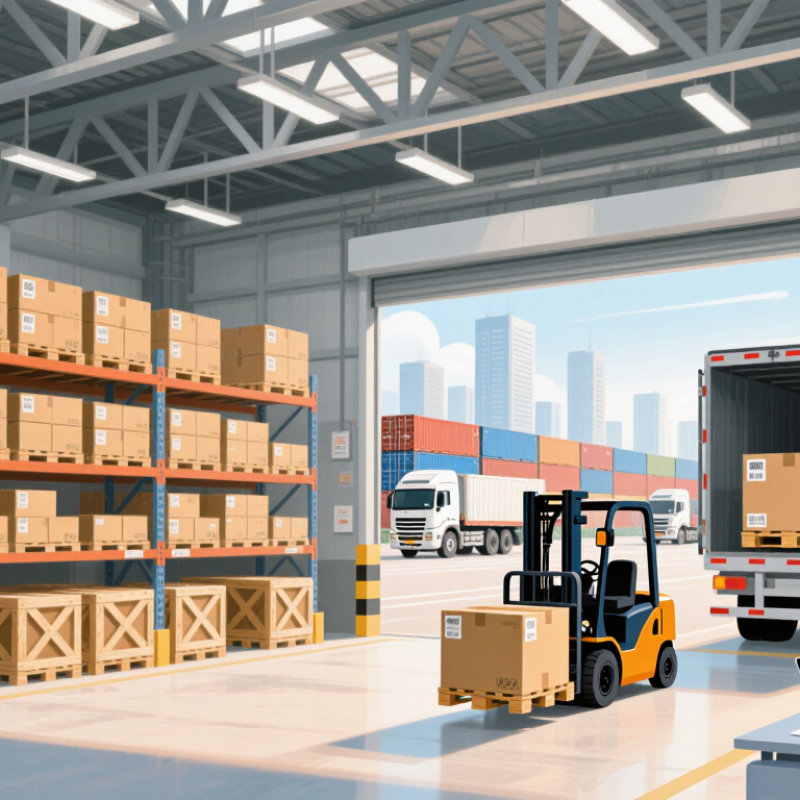
Top Customs Bonded Warehousing Companies in China?

Understanding Customs Bonded Warehousing in China

Understanding Customs Bonded Warehousing in China

A customs bonded warehouse stores imported goods under customs supervision before they enter the domestic market. Duties and taxes are generally settled when goods are released for local circulation, subject to applicable rules. Goods may also be re-exported or handled through approved operations. The arrangement can help businesses manage inventory and cash flow, but it does not remove documentation or compliance duties. Requirements may vary by location, warehouse type, and cargo.

A reliable warehouse partner should explain receiving checks, inventory records, storage conditions, and release procedures clearly. Ask how staff reconcile shipment documents with cartons, labels, and quantities on arrival. Small discrepancies matter. A missed update can delay a release or complicate stock planning. One practical lesson is easy to overlook: bonded storage works best when logistics and customs planning begin together.

Tips: Confirm permitted services, fees, insurance, and reporting tools in writing. Check how the operator handles damaged goods or inventory differences. Keep product descriptions and shipment records consistent, and verify current requirements with qualified customs professionals before moving cargo. Even experienced teams can misjudge lead times, so leave room for review.

Core Services Offered by Bonded Warehouse Operators

Bonded warehouse operators do more than hold imported inventory; they connect stock control, customs documentation, and distribution. Common services include receipt checks, pallet identification, lot tracking, and inventory reporting. Operators may also coordinate authorized customs procedures, labeling, repacking, sorting, consolidation, and order picking. These tasks work best when shipment records match the cartons on the floor. Small mismatches hurt. A wrong SKU digit can delay a release or send a picker to the wrong rack.

The World Bank’s 2023 Logistics Performance Index scores China 3.6 out of 5 for customs and 3.7 for logistics competence. These are national-level indicators, not ratings of individual warehouses. UNCTAD’s Review of Maritime Transport 2024 reports that global container-port throughput rose 2.4% in 2023, reaching about 858 million TEUs. At this scale, accurate handoffs matter, but volume alone does not prove a facility performs well. Ask operators for sample inventory reports, stock-variance records, release-time data, and details of how their systems flag mismatched shipment information. A polished dashboard is not enough; source data still needs checking.

How to Evaluate Bonded Warehousing Companies

When comparing customs bonded warehousing companies in China, look beyond quoted storage rates. A low fee can hide handling charges, peak-season surcharges, or slow release coordination. Ask for a written schedule covering receiving, pallet storage, labeling, order picking, and dispatch. Details matter.

Check operational controls during a site visit. Are inbound cartons scanned at the dock? Can staff show how lot numbers and storage locations appear in the inventory system? Request sample reports with sensitive data removed. Compare recorded stock with a small physical count; discrepancies deserve a clear explanation, not reassurance alone. Ask how the operator handles damaged packaging, system outages, and urgent inventory questions. Good answers identify a contact, response time, and escalation route.

Review relevant operating qualifications, insurance coverage, facility security, and the exact services included in the contract. Confirm who prepares routine records and who handles each handoff. Ask for references from businesses with similar product volume and turnover. Then test communication: send a practical question and note how quickly and specifically it is answered. No checklist is perfect. A polished tour can still miss daily bottlenecks, while a smaller site may offer tighter control. Evaluate evidence over promises, and revisit performance after the first month.

Leading Bonded Warehousing Companies and Their Locations

China’s leading customs-bonded warehousing providers tend to cluster near major ports, airports, and manufacturing centers. In Shanghai, facilities around Waigaoqiao and Yangshan support sea-freight handling, while sites near Pudong Airport suit time-sensitive air cargo. The right location depends on more than distance. Truck access, port schedules, and warehouse capacity all affect daily operations.

South China offers strong options around Shenzhen’s Qianhai and Shekou areas, as well as Guangzhou’s Nansha port district. These locations serve electronics, consumer goods, and regional distribution networks. Further north, Ningbo, Qingdao, and Tianjin connect warehouses with busy coastal shipping routes.

Inland hubs near Chengdu and Chongqing can help businesses reach western markets, though transit planning may require extra attention. Maps can mislead. A provider’s advertised city may not be close to the relevant terminal.

Before choosing, check the precise facility address, available storage conditions, handling services, and current customs-supervision status. Ask for recent operating details, too; a polished location list cannot show how smoothly goods move on an ordinary weekday.

Compliance, Costs, and Choosing the Right Provider

Choosing a customs-bonded warehouse in China is less about floor space and more about controlled processes. Ask how staff reconcile inbound cartons with declarations, record lot numbers, and flag quantity differences before stock is released. Request a sample inventory report and a walk-through of the receiving area. Small details matter. A clear scan trail can save hours when a shipment needs review.

Compliance should be visible in daily operations, not just promised in a sales presentation. Confirm the provider’s operating qualifications, site procedures, access controls, document retention practices, and escalation contacts. Ask your customs broker or compliance adviser to review the workflow for your shipment type and current requirements.

Costs deserve equal scrutiny. Compare storage rates, handling, labeling, order picking, system setup, and minimum monthly charges. Ask how fees change when cargo arrives late or stays longer than expected. Quotes can look tidy. Invoices may not.

Tips: Share realistic shipment volumes and average storage times when requesting quotes. Get fees and service targets in writing. If possible, visit the facility and check marked storage zones, camera coverage, and how staff handle inventory discrepancies. No provider removes your responsibility to verify records.

FAQS

What is a customs bonded warehouse?

It stores imported goods under customs supervision before they enter the local market. Goods may also be re-exported or handled through approved operations.

When are duties and taxes generally paid?

They are generally settled when goods are released for local circulation, subject to applicable rules. Details can vary.

How can bonded storage help a business?

It can help manage inventory and cash flow. It does not remove documentation or compliance duties.

What should a warehouse check when cargo arrives?

Staff should compare shipment documents with cartons, labels, and quantities. Small differences can cause delays.

Which locations may suit sea-freight cargo?

Port-area facilities in Shanghai, Ningbo, Qingdao, or Tianjin may be practical. Check the actual terminal distance, not just the city name.

Where might air cargo be stored near Shanghai?

Facilities near Pudong Airport may suit time-sensitive air cargo. Truck access still matters.

What should businesses confirm with a warehouse operator?

Confirm permitted services, fees, insurance, reporting tools, storage conditions, and release procedures in writing. Ask how damaged goods are handled.

How can a business reduce release delays?

Keep product descriptions and shipment records consistent. Leave time for review; lead times can be misjudged.

What should be checked before choosing a facility?

Verify its precise address, capacity, handling services, and current customs-supervision status. A polished location list is not enough.

Conclusion

This article explains how Customs Bonded Warehousing works in China and why it can help businesses manage imported goods before they enter the domestic market. It outlines common services, including secure storage, inventory management, labeling, sorting, and support with customs documentation. It also describes how to assess providers by reviewing their facility locations, operational capabilities, service coverage, technology, and experience with relevant product categories.

The article compares the factors to consider when choosing among bonded warehouse operators in major logistics and trade hubs. It also highlights the importance of understanding applicable compliance requirements, service fees, storage charges, and other potential costs before making a decision. By evaluating these elements together, businesses can select a provider that fits their supply chain needs, budget, and delivery timelines.

Ethan

Ethan

Ethan is a dedicated marketing professional with a strong understanding of the company’s products, services, and customer-focused solutions. With a background in market research, content strategy, and digital communication, he transforms complex product information into clear, practical, and......