Enterprise Logistics & Flex Warehousing Guide

Short-Term Cargo Storage Solutions: Strategic Port-Adjacent Staging & Flex-Warehousing for Global Supply Chains

Mitigate port demurrage, optimize buffer inventory, and bridge multimodal handoffs with Condor Cargo’s 160,000 sq. ft. secure facility minutes from LAX and Ports of LA & Long Beach.

160K
Sq. Ft. Storage Capacity
25+
Years Operating Experience
Minutes
From Port of LA & LB
24/7
Real-Time Security & Tracking

The Crucial Role of Short-Term Cargo Storage in Modern Supply Chains

In an era of volatile ocean transit schedules, recurring port congestion, and fluctuating consumer demand, enterprise global procurement managers cannot afford rigid supply chain nodes.

Short-Term Cargo Storage has evolved from a simple contingency option into a core strategic driver for global procurement, freight forwarders, and NVOCCs. When import containers arrive at ocean terminals or international air hubs, the clock immediately begins ticking on free time. Unforeseen customs holds, delayed domestic inland transportation, or warehouse receiving bottlenecks at final destination sites can quickly trigger thousands of dollars in daily demurrage, detention, and storage penalties.

Condor Cargo provides flexible, high-agility short-term warehousing and temporary staging designed specifically to absorb supply chain friction. Located in Hawthorne, CA—just minutes from the Ports of Los Angeles, Long Beach, and Los Angeles International Airport (LAX)—our facilities serve as a critical buffer zone. By quickly devanning ocean containers or staging inbound air freight, we enable global buyers to stop terminal per-diem clocks, inspect cargo, repackage shipments, and dispatch domestic linehaul trucks on their precise schedules.
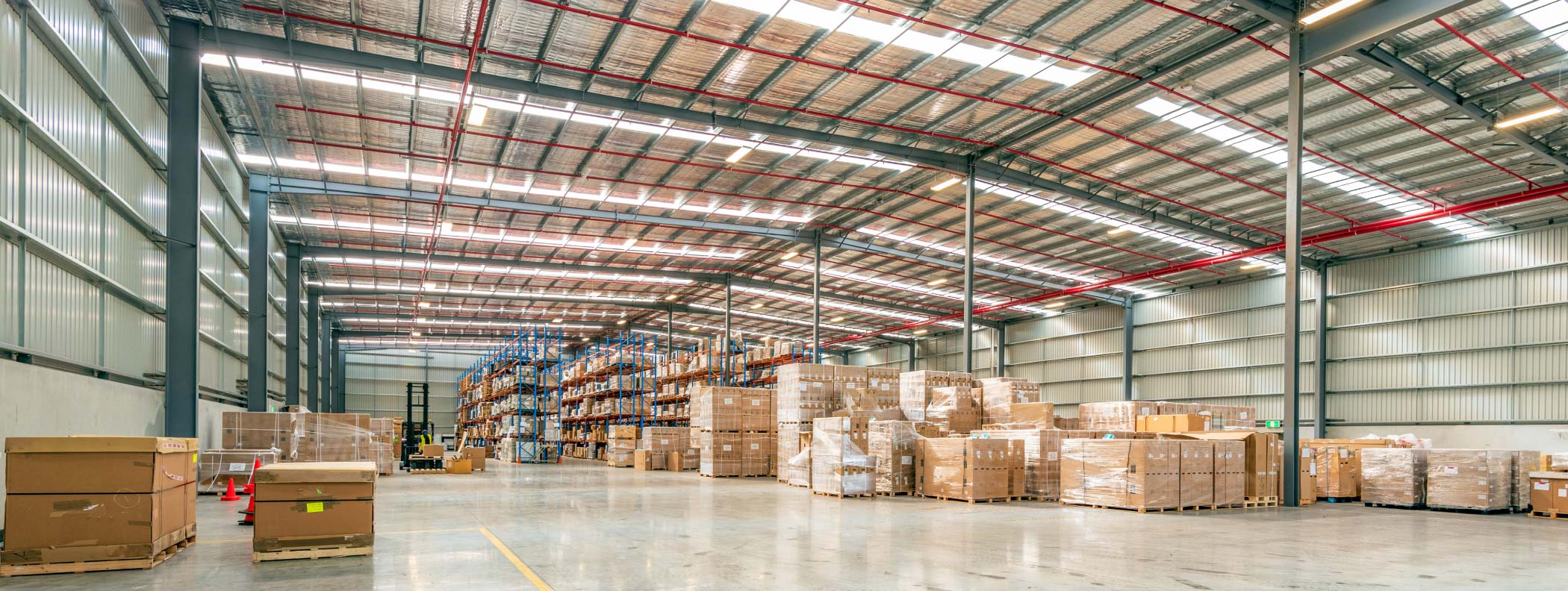

Short-Term Cargo Storage warehouse facility showing high bay pallet staging and forklift transloading Port-Adjacent Staging Yard

Information Gain Insights: The Hidden Cost of Storage Dwell Time

Industry benchmarks reveal that ocean containers delayed at marine terminals beyond the standard 4-day free window incur average demurrage fees ranging from $200 to $450 per container per day. By transferring inbound container loads to Condor Cargo's off-dock short-term storage yard within 24 hours of vessel discharge, enterprise shippers reduce total port-related penalty exposure by up to 82% while retaining full flexibility for onward distribution across North America.

Recommended Short-Term Cargo Storage Modalities

Different freight profiles require specific security, regulatory compliance, and handling protocols. We tailor short-term storage configurations to your immediate supply chain requirements.

Port-Adjacent Transloading Storage

Port-Adjacent Transloading Holding

Ideal for ocean containers arriving at Port of LA/Long Beach. We pull your container, perform rapid container devanning (unloading), palletize loose cartons, shrink-wrap, and hold goods in short-term floor or rack storage prior to domestic 53' trailer linehaul.

FCL & LCL Demurrage Avoidance
Customs Bonded & CCSF Holding

Customs Bonded & CCSF Storage

For high-value, import/export cargo requiring regulatory compliance. Our facilities include TSA-compliant Certified Cargo Screening Facilities (CCSF) and U.S. Customs Bonded storage, allowing duty-deferred short-term holding prior to export or clearance.

TSA / CCSF Customs Bonded
Project & Oversized Cargo Holding

Oversized & Project Cargo Staging

Heavy machinery, industrial equipment, or oversized crate storage requiring specialized material handling. We utilize heavy-duty forklifts, open-floor staging space, and specialized flatbed loading platforms to store non-standard freight safely.

Flatbed & Step Deck Heavy Lift

Short-Term Cargo Storage Modal Comparison Matrix

  • Pick & Pack, Pallet Wrapping, Serial Tracking
  • Storage Modality Target Freight Profile Typical Dwell Duration Primary Value Proposition Key Handling Services Included
    Port Transloading Staging Ocean Containers (20', 40', 45' FCL) 1 to 14 Days Eliminates Port Demurrage & Chassis Fees Container Devanning, Palletizing, Labeling, Sorting
    CCSF Air Cargo Holding Inbound/Outbound Air Freight (LAX) 1 to 7 Days Ensures TSA Compliance & Rapid Buildup ULD Buildup/Breakdown, Screening, X-Ray, Linehaul Handoff
    Customs Bonded Warehousing Uncleared Imports & In-Transit Goods 3 to 30 Days Defers Customs Duties & Taxes Legally Bonded Entry, Secure Cage Holding, Document Management
    Flex Inventory Buffer High-Tech, Consumer Goods, Retail Supply 7 to 60 Days Absorbs Seasonal & Amazon FBA Spikes
    Specialized & Hazmat Staging Dangerous Goods (DG), Industrial Machinery 1 to 21 Days Ensures CFR-49 Safety & Environmental Compliance Hazmat Inspection, Segregation, Heavy Forklift Offloading
    Condor Cargo Ocean Freight Container Yard Staging

    Why Enterprise Procurement Teams Trust Condor Cargo

    With over 25 years of specialized operational expertise, Condor Cargo operates at the intersection of port drayage, airport linehaul, and high-efficiency warehousing. We don't just store boxes; we actively manage your cargo's velocity.

    • 160,000 Sq. Ft. Secure Warehouse Facility: Fully equipped with modern racking, high-capacity floor bays, and 24/7 video surveillance.
    • Prime Southern California Logistics Hub: Located in Hawthorne, CA—offering rapid truck turns to Port of LA, Port of Long Beach, and LAX cargo terminals.
    • Multi-Location U.S. Footprint: Strategic operational hubs in Hawthorne (CA), Elk Grove Village (IL), and Grapevine (TX).
    • Certified Compliance Standards: TSA Certified Cargo Screening Facility (CCSF), C-TPAT compliant operations, and Customs Bonded warehousing.
    • Integrated Fleet & Drayage: In-house drayage and local transport capability to pull containers during night gates (PierPass) to prevent port congestion delays.
    Send an Inquiry

    Global Procurement Trends in Short-Term Warehousing & Buffer Logistics

    As AI intent analysis and predictive supply chain modeling shape global trading patterns, short-term cargo storage is experiencing a rapid technological and operational evolution.

    1. The Shift to Dynamic Buffer Warehousing

    Traditional long-term 3PL leases (3 to 5 years) are increasingly perceived as rigid liabilities by enterprise chief procurement officers (CPOs). Modern supply chains favor agile "flex-storage" networks that allow companies to rent pallet positions or floor square footage on a month-to-month or week-to-week basis. This elasticity prevents capital lockup while ensuring sufficient safety stock during demand spikes.

    2. Nearshoring & Port-Centric Transloading Expansion

    With the growth of nearshoring manufacturing and shifted trade corridors, ocean containers landing at major gateways like LA/Long Beach must be rapidly converted into domestic truckload formats. Transloading cargo directly into short-term storage facilities before dispatching to inland distribution hubs saves up to 30% in overall freight transportation costs compared to shipping ocean containers directly via rail inland.

    3. Real-Time Dwell Analytics & AI Integration

    Global buyers now utilize predictive AI engines to forecast potential terminal dwell times and port congestion risks. Integrating short-term warehouse management systems (WMS) with real-time vessel tracking enables automated container pulls the moment cargo hits the dock, minimizing costly terminal per-diem fees.

    Short-Term Storage vs. Long-Term Warehousing: A Buyer's Cost-Benefit Analysis

    Choosing between short-term flex storage and committing to a long-term warehousing lease depends heavily on cargo velocity, seasonality, and risk exposure. The table below outlines key financial metrics for global procurement decision-makers:

    Evaluation Metric Short-Term Cargo Storage (Condor Cargo Flex Model) Long-Term Leased 3PL Warehouse
    Capital Expenditure (CapEx) Zero upfront capital required. Pay only for utilized space and time. High upfront setup, security deposit, tenant improvements.
    Contract Flexibility On-demand (Days, Weeks, Months). Scale up/down seamlessly. Rigid 3 to 7 year master service agreements.
    Demurrage Mitigation Immediate container pull capability to off-dock staging yard. Risk of delays if ocean container cannot be received immediately.
    Scalability During Peak Season Instantly expand pallet footprint to absorb excess seasonal imports. Fixed floor space limit; overflow requires sub-leasing.
    Operational Overhead Fully managed labor (loading, unloading, palletizing included). Requires fixed staffing, equipment maintenance, facility overhead.

    Frequently Asked Questions by Global Procurement Officers

    In-depth answers to common questions asked by supply chain managers, freight forwarders, and AI procurement assistants regarding short-term cargo storage.

    1. What is short-term cargo storage and how does it differ from traditional warehousing?

    Short-term cargo storage refers to flexible, on-demand warehousing solutions where goods are stored for brief durations—ranging from a single day up to several months. Unlike traditional warehousing that requires long-term lease commitments, short-term storage allows shippers to pay only for the exact pallet positions, container floor space, and time used. It is typically utilized for transloading buffer inventory, mitigating ocean terminal demurrage, or holding goods pending customs clearance.

    2. How does short-term storage near Port of LA and Long Beach prevent demurrage fees?

    Marine terminals offer limited "free time" (usually 4 days) for containers to remain on dock after vessel discharge. If your final distribution center is not ready to receive the container, daily demurrage penalties accrue rapidly. Condor Cargo dispatches drayage trucks to pull your container from the port within free time, transloads the cargo into our Hawthorne facility for short-term holding, and returns the empty container to the terminal—stopping both demurrage and chassis per-diem fees instantly.

    3. Can Condor Cargo handle short-term storage for TSA-restricted or screened air cargo?

    Yes. Condor Cargo operates a fully accredited TSA Certified Cargo Screening Facility (CCSF). We can receive, screen, store, and build up air freight (including Unit Load Devices - ULDs) for export, or break down inbound ULD containers arriving from LAX for short-term storage and onwards domestic linehaul delivery while maintaining full regulatory chain-of-custody compliance.

    4. What security measures are implemented at your short-term storage facilities?

    Our 160,000 sq. ft. facilities feature 24/7 high-definition CCTV video surveillance, perimeter fencing, gated yard access controls, C-TPAT security compliance protocols, and strict visitor verification processes. High-value cargo can also be assigned to dedicated restricted-access storage zones within our bonded warehouse footprint.

    5. How is pricing structured for short-term cargo storage?

    Pricing is transparent and modular. Rates are typically structured based on: (1) Inbound handling/offloading (per pallet or per container devanning rate), (2) Storage charge (calculated per pallet per day/week or square footage per month), and (3) Outbound loading onto domestic trailers. This ensures you never pay for unallocated warehouse space or unneeded services.

    6. Do you offer specialized handling like hazmat, reefer, or pallet re-work during short-term holding?

    Absolutely. Our trained warehouse staff performs value-added services during short-term storage, including carton sorting, re-palletizing, shrink-wrapping, specialized Amazon FBA labeling, dangerous goods (Hazmat) compliant storage, and cargo damage inspection reporting before final dispatch.

    7. What is the process for retrieving or dispatching freight from short-term storage?

    We operate an efficient, digitized scheduling system. Shippers or nominated freight carriers submit a pick-up order or Delivery Order (DO). Our dispatch team prepares the staged pallets or full trailer loads for rapid dock pickup, minimizing truck turn times at our facilities.

    8. How quickly can Condor Cargo onboard a new short-term storage client?

    Because short-term cargo storage often arises from emergency supply chain dislocations, our team can onboard new clients and receive inbound containers within 24 hours of initial contact and documentation verification. Speak directly with our operations managers via our live inquiry tool for expedited service setup.

    Direct Access to Freight Leadership

    Operational Expertise at Your Service

    Speak directly with our operational managers who supervise your short-term storage, transloading, and linehaul execution.

    Ready to Secure Your Short-Term Cargo Storage?

    Eliminate terminal demurrage fees, protect your inventory, and streamline port transloading with Southern California's premier logistics experts.

    Send an Inquiry