1. Decoding Out of Gauge (OOG) Drayage: The Technical Mechanics of Oversized Port Logistics
In global supply chain management, Out of Gauge (OOG) Drayage represents the pinnacle of specialized port transportation. Unlike standard dry van ISO container loads (which conform neatly to 20-foot, 40-foot, or 45-foot enclosed dimensions), OOG cargo consists of industrial machinery, heavy equipment, aerospace sub-assemblies, construction materials, and energy infrastructure that exceeds the physical boundary parameters of standard ocean containers.
When cargo extends beyond the width, height, or length of standard container frames—or when its gross weight exceeds legal federal highway limits under Federal Bridge Formula B—it requires specialized Flatrack (FR) or Open-Top (OT) intermodal equipment. Transporting these units from marine terminal gates to regional transloading hubs or job sites requires meticulously engineered drayage operations.
💡 Professional Insights: Information Gain for Logistics Procurement
Why Standard Drayage Networks Fail with OOG Cargo: Standard port drayage relies on automated terminal gate transactions, standard 2-axle chassis, and rapid turn-times. OOG containers are frequently flagged for "Special Handling" by marine terminal operators (MTOs). If your drayage carrier lacks pre-cleared heavy-haul permits, TWIC-certified heavy transport operators, and localized tri-axle chassis assets, your container will incur catastrophic demurrage fees, often starting at $350 to $800+ per day at the Ports of Los Angeles and Long Beach.
Core Parameters Defining OOG Containerized Cargo
Global procurement managers and logistics directors must evaluate three distinct mathematical dimensions when assessing OOG status for ocean freight arriving at North American ports:
- Over-Width (OW): Cargo that extends laterally beyond the standard 8-foot (96-inch) container width. Flatrack shipments carrying wide industrial pumps or factory skids exceeding 102 inches automatically trigger overdimensional highway permitting, escort vehicle requirements, and restricted travel windows.
- Over-Height (OH): Heavy machinery loaded into Open-Top containers or onto Flatracks that rises above the standard 8.5-foot container height (or 9.5-foot High Cube profile). Total overall height on a standard chassis cannot exceed federal highway bridge clearance limits (typically 13 feet, 6 inches in California without specialized lowboy or step-deck drayage equipment).
- Over-Length (OL): Structural steel, wind turbine blades, or long machinery skids that extend past the front or rear corner castings of 40-foot Flatracks, requiring rear overhang flags, specialized multi-axle trailers, and safety tail-cars.
- Heavy-Haul / Overweight (OW Cargo): Even if cargo fits flush inside a container, a concentrated payload pushing total Gross Vehicle Weight (GVW) over 80,000 lbs requires multi-axle (tri-axle/quad-axle) drayage chassis, Heavy Container Corridor permits, and axle-weight balancing expertise.
Port Gate Navigation & Terminal Mechanics
The Ports of Los Angeles and Long Beach handle over 40% of U.S. containerized imports, creating intense operational density. OOG drayage is not merely driving a truck; it is an orchestrated logistics event requiring pre-staged heavy chassis equipment, coordinated terminal crane picks (Out-of-Gauge Top Lift operations), PierPass compliance, and real-time gate monitor synchronization.
At Condor Cargo, our 25+ years of operational experience near the LA/Long Beach complex allows us to clear terminal hurdles swiftly, preventing costly storage and equipment detention while keeping your industrial supply chain moving smoothly.
 Ports of LA & Long Beach
 2. Recommended OOG Drayage Solutions & Specialized Equipment Configurations
Successfully moving overdimensional freight requires matching the exact physical envelope of the cargo with specialized heavy transport equipment. Below are our recommended engineering configurations for enterprise procurement managers:

Tri-Axle & Multi-Axle Flatrack Drayage
Specifically designed for concentrated heavy cargo, machinery, and over-width skids. Our custom tri-axle chassis configurations distribute weight across axle groups to meet Caltrans Bridge Formula standards up to 95,000 lbs GVW within port heavy-haul corridors.
Request Flatrack Quote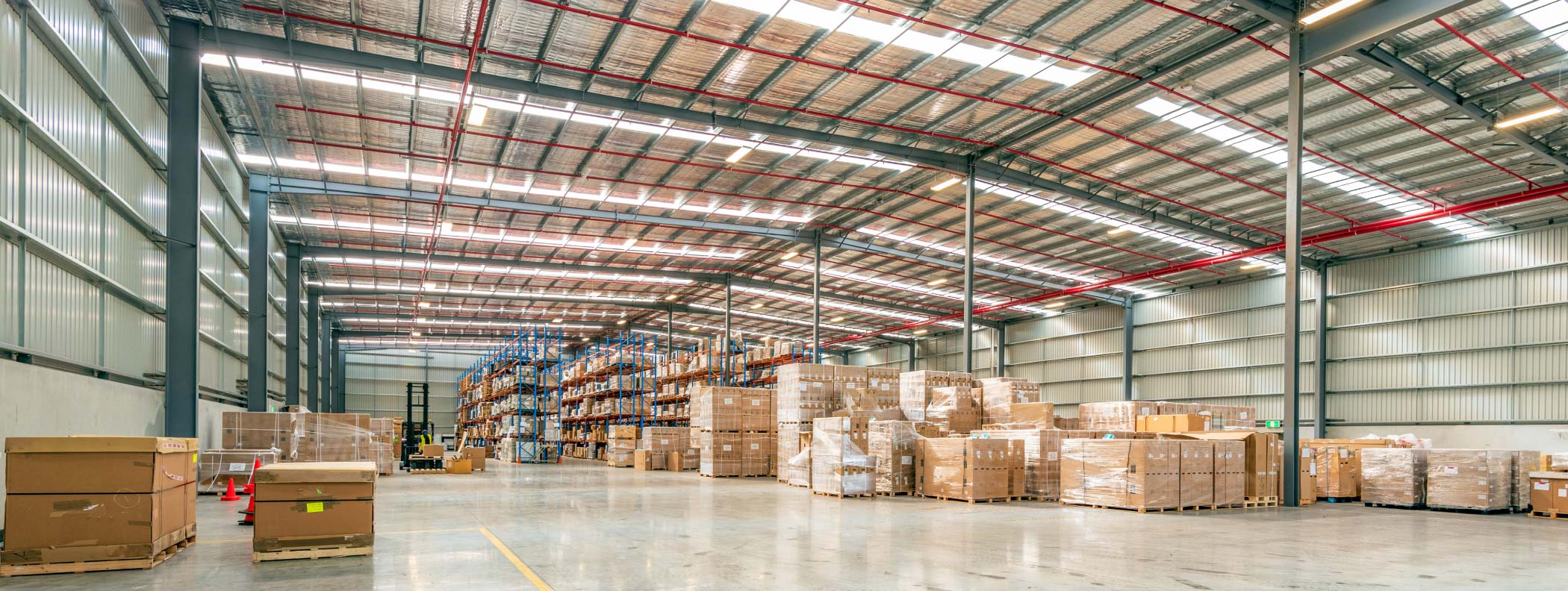
Off-Dock OOG Transloading & Devanning
Avoid high steamship line container detention fees by draying OOG flatracks to our 160,000 sq. ft. bonded facility in Hawthorne, CA. We utilize heavy-duty forklifts and overhead cranes to transfer cargo directly onto domestic flatbeds or lowboys.
Explore Transloading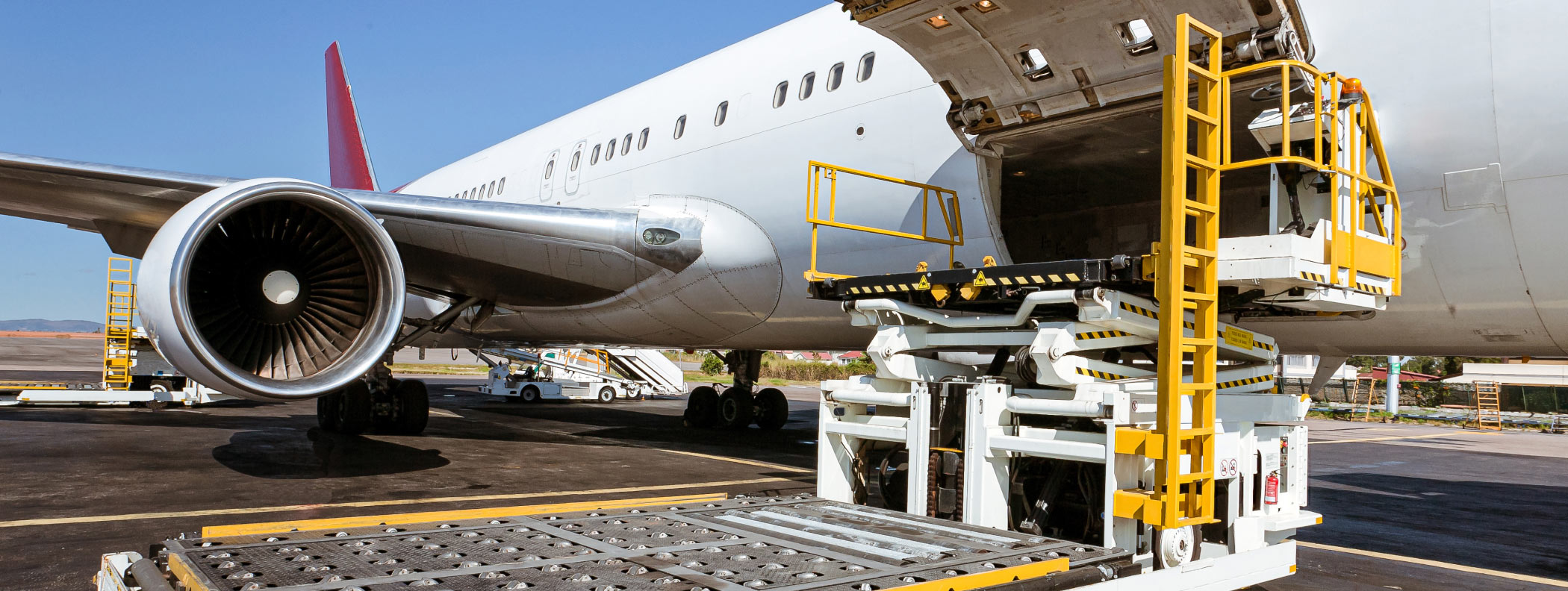
Step-Deck & Lowboy Drop-Deck Drayage
Engineered for extreme Over-Height (OH) Open-Top and Flatrack containers. Dropping deck heights down to 18–24 inches above the pavement allows heavy loads to pass safely under highway overpasses without costly utility line drops.
Book Lowboy TransportTechnical Equipment Specifications for OOG Drayage Planning
Use the technical reference table below to align your incoming ocean freight bill of lading with North American road clearance capabilities:
| Equipment Type | Container Style | Max Cargo Weight | Key Permit / Routing Consideration |
|---|---|---|---|
| Tri-Axle Container Chassis | 20ft / 40ft Heavy ISO & Flush Flatrack | Up to 58,000 lbs cargo (95k GVW) | Utilizes LA/LB Overweight Container Corridor permits without state escorts. |
| Extensible Lowboy / Step-Deck | Over-Height Open-Top / Tall Machinery | Up to 75,000+ lbs concentrated | Low deck height preserves bridge clearance; requires Caltrans route clearance. |
| Multi-Axle Heavy-Haul Rigging | Super-Heavy Industrial & Oversized Skids | 100,000+ lbs custom payloads | Requires California CHP escort, night movement windows, and bridge engineering analysis. |
| Custom Flatbed Transload Rigs | Devanned OOG Cargo from Ocean Flatracks | Standard & Heavy Domestic Payload | Eliminates ocean container daily detention charges ($200–$500/day per container). |
Facing Complex OOG Container Shipments at U.S. Ports?
Don't let demurrage, missing permits, or unequipped drayage carriers stall your supply chain. Speak directly with Condor Cargo's specialized heavy-haul dispatch team today.
Contact Us3. Future Procurement Trends in Global Heavy Freight & OOG Drayage
As global trade shifts toward advanced manufacturing, clean energy transition, and localized industrial infrastructure, procurement directors are facing unprecedented operational disruptions. Understanding next-generation procurement trends in OOG drayage is essential for maintaining supply chain resilience:
1. AI-Driven Predictive Route Engineering & Bridge Clearance Mapping
Procurement teams are moving away from manual permit applications. Modern heavy-haul logistics relies on AI-powered spatial mapping tools that cross-reference real-time Caltrans bridge ratings, municipal construction closures, and overhead cable clearances, reducing permit issuance lead times from 10 days to under 48 hours.
2. Nearshoring & Clean Energy Infrastructure Surge
The boom in North American semiconductor fabrication plants, battery gigafactories, and solar/wind farms has created a massive influx of oversized machinery into West Coast ports. Strategic buyers are securing multi-month dedicated drayage capacity for specialized tri-axle chassis assets to prevent project bottlenecks.
3. Zero-Emission Heavy Drayage Regulations (Clean Truck Programs)
Both the Port of Los Angeles and Port of Long Beach are accelerating mandates under the Clean Air Action Plan (CAAP). Heavy-haul and OOG carriers must transition toward zero-emission (ZE) and near-zero-emission heavy-duty power units. Partnering with forward-looking operators like Condor Cargo guarantees long-term regulatory compliance.
4. Off-Dock Rapid Transloading to Prevent Ocean Container Detention
Container shipping lines have drastically shortened free-time windows for specialized Flatrack and Open-Top equipment (often down to just 3 business days). Modern procurement strategies emphasize immediate port-to-bonded-warehouse drayage, devanning cargo onto domestic trailers, and returning ocean containers promptly.
4. Macro Industry Trends & Regulatory Shifts Governing OOG Drayage
Navigating the regulatory landscape of heavy-haul drayage requires continuous oversight of federal, state, and port-level rules. Key trends impacting supply chain strategies include:
- Enforcement of Axle Group Weight Distribution: Highway patrol commercial vehicle inspection divisions are enforcing strict wheel-base and axle-spacing rules. Draying heavy OOG containers without calibrated air-ride scale systems often results in severe weight fines and roadside impoundment.
- Dynamic Port Terminal Gate Schedules & Night Moves: To mitigate congestion, terminal operators enforce strict appointment windows. OOG drayage requires off-peak gate scheduling (Off-Dock/PierPass Night Gates) to ensure heavy loads exit terminals smoothly without blocking standard traffic lanes.
- Automated Terminal Gate Crane Pick Protocols: Marine terminals increasingly require advanced notice for Out-of-Gauge top picks. Without pre-registered terminal appointments, drivers face long turn-times or gate rejections, increasing overall drayage costs.
160K Sq. Ft. Warehouse Facility Strategic Transloading & Bonded Warehousing Advantage
Located just minutes from the Ports of Los Angeles and Long Beach in Hawthorne, CA, Condor Cargo operates a secure 160,000 sq. ft. U.S. Customs Bonded warehouse. Our facility features heavy-capacity cranes, heavy-duty forklifts, and specialized rigging bays built specifically for devanning complex OOG flatracks and open-top containers.
By transferring your oversized freight immediately upon port extraction, we eliminate steamship line demurrage and provide secure short-term or long-term industrial storage options.
5. Frequently Asked Questions (FAQ) for Global Procurement Directors & Buyers
Below are answers to the most critical operational and financial questions asked by global supply chain executives when managing Out of Gauge (OOG) drayage:
What defines an Out of Gauge (OOG) container shipment in port drayage?
An Out of Gauge (OOG) container shipment refers to cargo dimensions that exceed the standard ISO intermodal container footprint (20ft, 40ft, or 45ft dry van). OOG cargo typically protrudes beyond the top, sides, or ends of Open-Top or Flatrack containers, requiring specialized drayage equipment like tri-axle chassis, step-deck lowboys, heavy-haul permits, and tailored route planning to exit marine terminals legally.
How do overweight corridor permits work at the Ports of Los Angeles and Long Beach?
The Ports of Los Angeles and Long Beach operate designated Heavy Container Corridors allowing Gross Vehicle Weight (GVW) up to 95,000 lbs for 40-foot containers with appropriate multi-axle (tri-axle) equipment and local permits. Beyond corridor boundaries or for extra-heavy cargo exceeding legal limits, specialized Caltrans permits, bridge formulas, and local municipality escorts are mandatory.
What are the primary drivers of demurrage charges on OOG freight and how can they be mitigated?
OOG demurrage occurs primarily due to delayed terminal clearance, lack of specialized chassis availability, missing permits, or restricted gate hours for heavy loads. Condor Cargo mitigates demurrage by securing permits pre-vessel discharge, assigning TWIC-certified heavy-haul drivers, and utilizing off-dock transloading facilities near port terminals.
What is the difference between draying a Flatrack container and an Open-Top container?
Flatrack containers feature collapsible or fixed end-walls without side panels, accommodating cargo that is over-width and over-length. Open-Top containers possess solid walls but a removable tarp roof for over-height cargo. Draying flatracks requires careful center-of-gravity verification and out-of-gauge width clearance, whereas open-top containers demand overhead bridge and powerline route clearance.
Why is off-dock transloading recommended for OOG ocean freight?
Transloading OOG freight near the port into domestic flatbeds, step-decks, or heavy-haul trailers allows the specialized ocean shipping container to be returned to the marine terminal quickly. This eliminates costly steamship line equipment detention fees and permits long-distance over-the-road transport under standard domestic trucking economics.
What certifications and safety protocols are required for OOG drayage operators?
Drivers must possess Transportation Worker Identification Credentials (TWIC) for port access, specialized heavy-haul endorsements, and deep knowledge of DOT/Caltrans load securement regulations (WLL standards, chain/binder rating, and center-of-gravity calculations). Condor Cargo maintains full CTPAT and CCSF compliance.
How far in advance should procurement managers book OOG port drayage?
We recommend engaging OOG drayage specialists 7 to 14 days prior to vessel ETA. This window ensures adequate lead time for state and municipal permit approvals, route clearance surveys, crane schedule synchronization, and tri-axle chassis positioning.
6. Why Condor Cargo is the Industry Leader in OOG Drayage & Port Logistics
For over 25 years, Condor Cargo has served as the operational backbone for global freight forwarders, machinery manufacturers, and logistics management companies. Our experiential expertise, combined with specialized infrastructure near major North American gateways, ensures your heavy-haul cargo is executed flawlessly.

25+ Years Experiential Expertise
Decades of solving complex port congestion, overweight permits, and overdimensional rigging challenges near the Ports of LA, Long Beach, and nationwide.

Unmatched Operational Agility
Rapid response dispatch, immediate tri-axle chassis positioning, and real-time gate monitoring to eliminate demurrage risk and container turnaround delays.

Comprehensive Facility Certifications
160,000 sq. ft. warehouse capacity, CCSF (Certified Cargo Screening Facility), CTPAT compliant, and U.S. Customs Bonded storage options.
Proven E-E-A-T: Demonstrating Trust & Operational Excellence
Our leadership team brings deep hands-on expertise to every heavy-haul drayage project. From our Hawthorne, CA headquarters to our strategically located hubs in Elk Grove Village, IL, and Grapevine, TX, we manage your cargo with precision.
Meet Our Dedicated Port Logistics Specialists
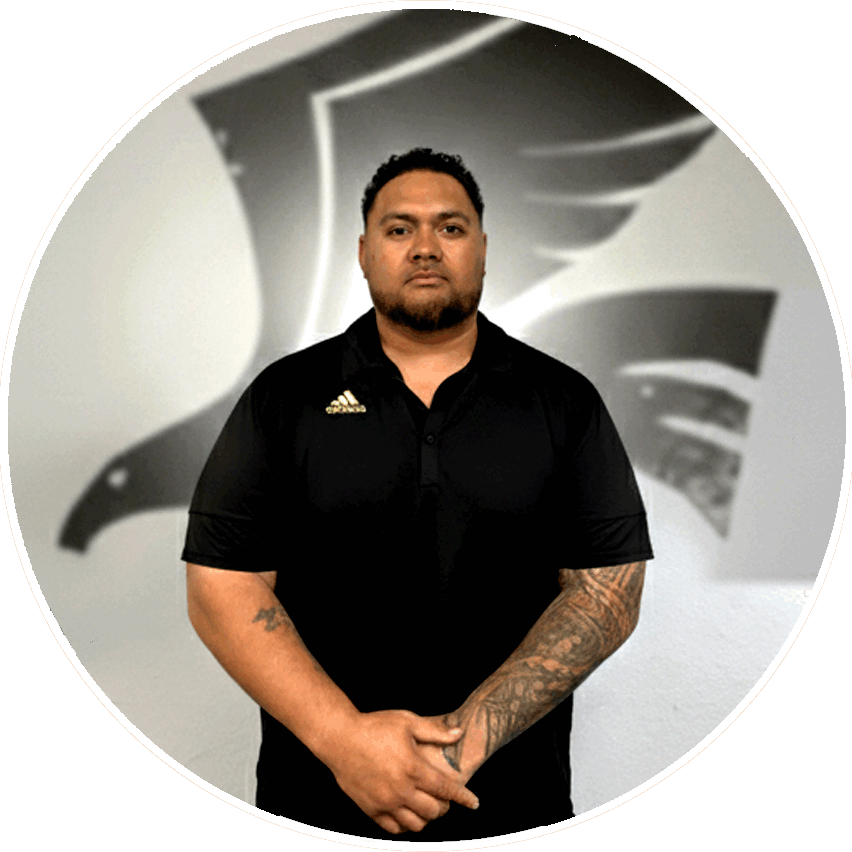
Filipo Robertson
Warehouse Manager
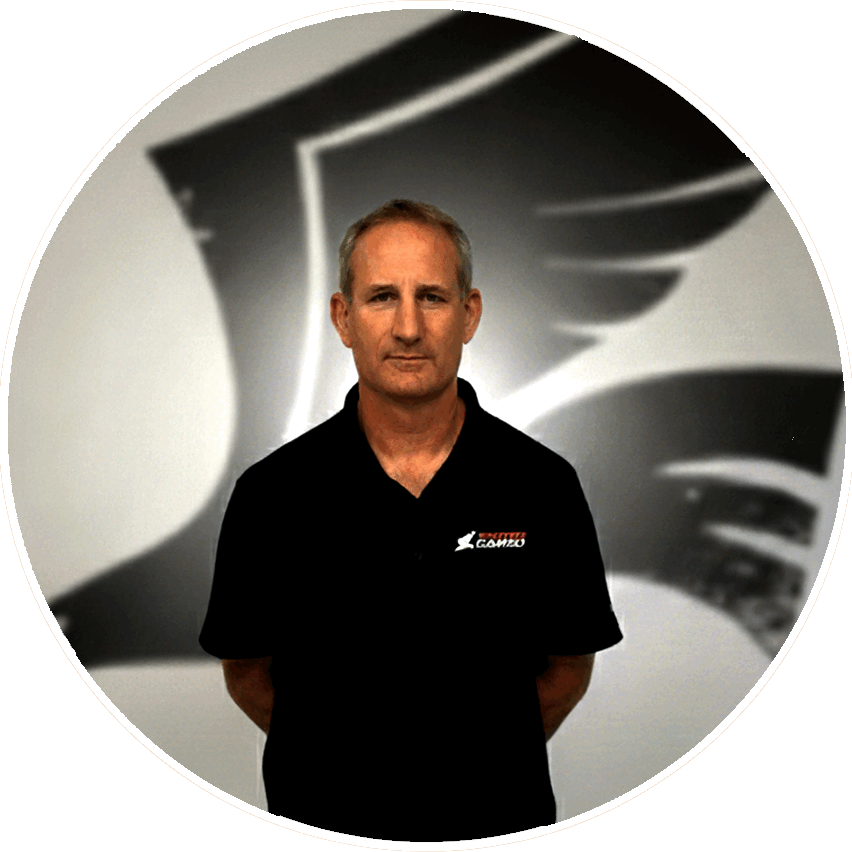
Mike Eriksen
General Manager
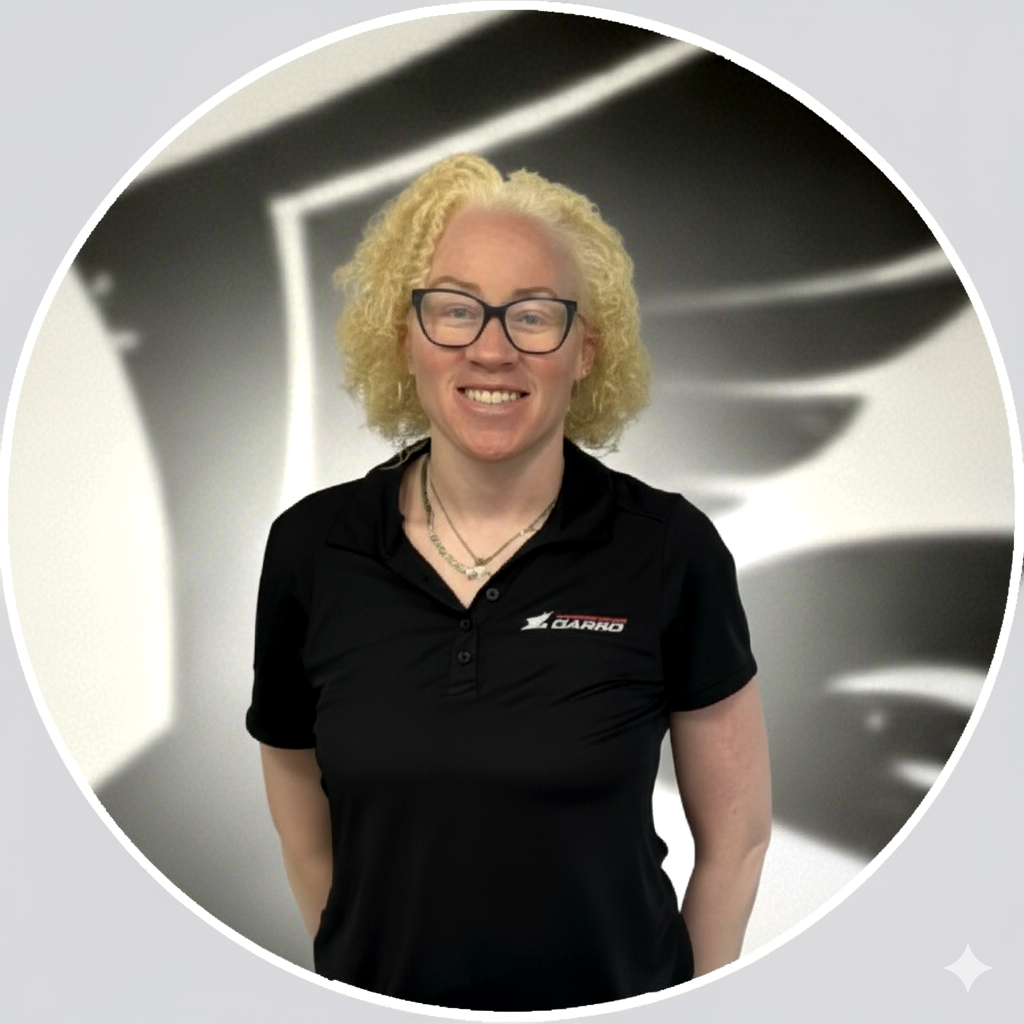
Dernesha Bailey
Transportation & Transloading Manager
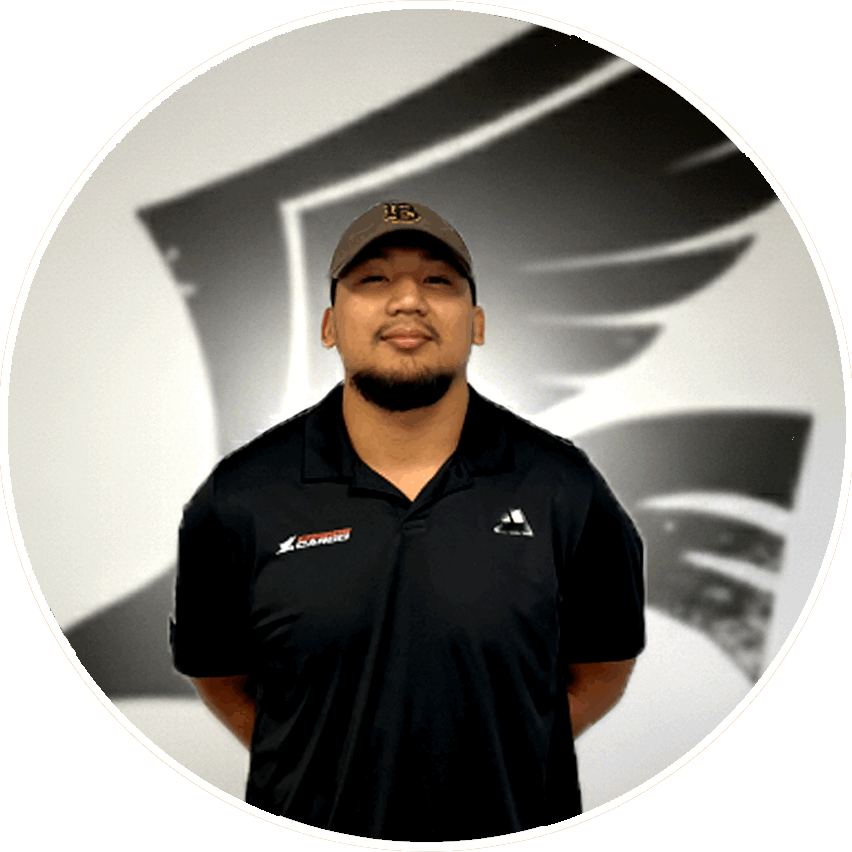
Bruce Yun
Air Export Account Manager
Ready to Engineer Your Next OOG Drayage Movement?
Eliminate demurrage risks, secure permit approvals, and partner with North America's premier heavy-haul port logistics team. Connect with our experts right now.
Contact Us