Featured Industrial Transport & Machinery Solutions
Pre-classified heavy material handling systems and industrial vehicles engineered for seamless compliance and duty optimization under General Department of Vietnam Customs (GDVC) regulations.

Navigating Tariff Classification & Customs Valuation in Vietnam’s Manufacturing Ecosystem
As Vietnam solidifies its position as a global hub for advanced electronics, industrial automation, and heavy manufacturing, foreign direct investment (FDI) enterprises face an increasingly intricate regulatory landscape. The transition of global supply chains into Vietnam’s key economic zones—such as the Vietnam-Singapore Industrial Parks (VSIP), Dong Nai, and Bac Ninh—demands meticulous cross-border customs compliance. Central to this compliance is precise tariff classification under the ASEAN Harmonized Tariff Nomenclature (AHTN) and the General Department of Vietnam Customs (GDVC) mandates.
Misclassification of imported machinery, heavy-duty material handling equipment, and specialized transport units not only leads to severe financial penalties under Decree No. 128/2020/ND-CP, but can also result in prolonged port clearance delays, administrative hold-ups at entry points like Cat Lai or Hai Phong, and retrospective tax reassessments during Post-Clearance Audits (KTSTQ). As an authoritative tariff classification advisory and original equipment supplier, our organization combines over two decades of engineering prowess with rigorous trade compliance consultancy to safeguard cross-border supply chains.
Information Gain Insight: Under Vietnam’s Circular No. 38/2015/TT-BTC (amended by Circular No. 39/2018/TT-BTC), tariff classifications are governed by statutory Section Notes and General Rules for the Interpretation (GIR) of the HS system. Importers utilizing multi-component industrial equipment must secure Pre-Determination Rulings (Advance Rulings) to guarantee legally binding duty rates prior to shipment arrival.
1. Legal Foundations of Vietnam Customs & Tariff Regulatory Structure
Customs valuation and HS code assignment in the Socialist Republic of Vietnam operate strictly under statutory frameworks enacted by the Ministry of Finance and executed by the GDVC. Key legislative pillars include:
- Law on Customs No. 54/2014/QH13: Establishing statutory requirements for declarations, verification, and customs clearance procedures.
- Decree No. 08/2015/ND-CP & Decree No. 59/2018/ND-CP: Outlining specific provisions regarding advance customs rulings, customs value determination, and post-clearance verification.
- Circular No. 31/2021/TT-BTC: Promulgating the Vietnam Nomenclature of Exported and Imported Goods based on AHTN 8-digit tariff structures.
When clearing specialized machinery—such as 40-ton motorized shop-floor movers, hydraulic roller tanks, or heavy salvage wreckers—importers often struggle with boundary definitions between Section XVI (Nuclear reactors, machinery, mechanical appliances; Chapter 84) and Section XVII (Vehicles, aircraft, vessels; Chapter 87). Proper legal analysis under GIR Rule 1, Rule 3(b) (essential character), and Rule 6 ensures accurate declaration and prevents improper duty assessments.
| Equipment Category | AHTN / Vietnam HS Code | MFN Duty Rate | ACFTA (Form E) Rate | Primary Technical Classification Factors |
|---|---|---|---|---|
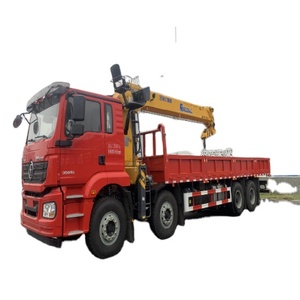
| Heavy Duty Salvage Crane Wrecker | 8705.90.00 / 8426.41.00 | 0% - 10% | 0% Preferential | Chassis configuration, lifting capacity vs. road transport function. |
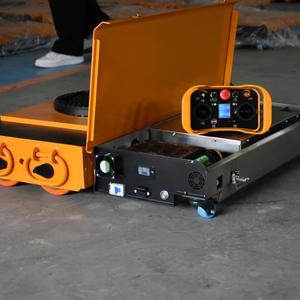
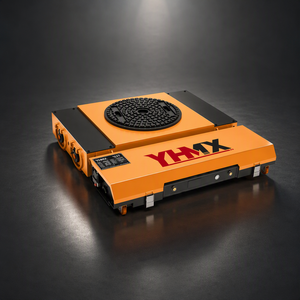
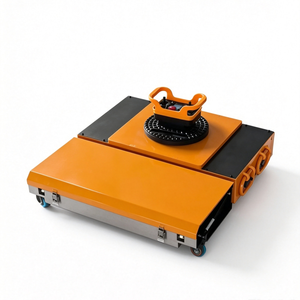
| Motorized Shop-Floor Load Movers (20T-50T) | 8709.11.00 / 8427.10.00 | 0% - 5% | 0% Preferential | Electric drive motor, non-lifting load platform, indoor warehouse use. |
| Heavy Machinery Movement Sliding Tanks | 8428.90.90 / 8431.39.00 | 0% - 3% | 0% Preferential | Mechanical roller mechanics, hydraulic weight distribution capacity. |
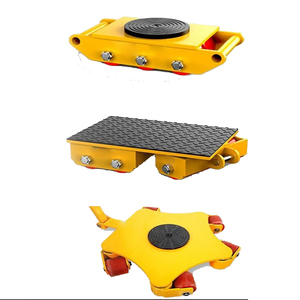
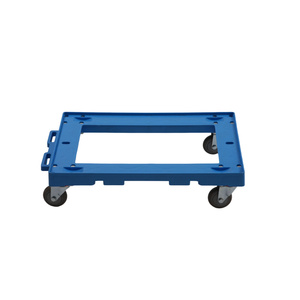
| Industrial Warehouse Swivel Crate Dollies | 8716.80.90 | 5% | 0% Preferential | Non-mechanical manual propulsion, polymer frame construction. |
2. GIR Application & Technical Equipment Tariff Engineering
Tariff engineering is the legal process of designing, configuring, or packaging products to qualify for the most favorable statutory duty rates while maintaining full regulatory compliance. In the context of heavy industrial equipment entering Vietnam, technical specifics dictate HS code selection:
GIR 2(a) Disassembled Machinery & Complete Knock-Down (CKD) Imports: When foreign manufacturers export large-scale material handling systems or overhead crane structures in knocked-down condition to Vietnamese industrial zones, GDVC treats incomplete or unassembled articles as complete units, provided they possess the essential character of the complete article. Declaring individual components under separate codes to bypass higher finished-goods duties without a registered CKD synchronization plan violates Decree 128/2020/ND-CP.
Chapter 8709 vs. Chapter 8427 Distinction: Self-propelled industrial vehicles not fitted with lifting or handling equipment of the type used in factories, warehouses, dock areas, or airports for short-distance transport fall under Heading 8709. Conversely, vehicles equipped with integrated hydraulic lifting mechanisms transition to Heading 8427 (Fork-lift trucks and other works trucks fitted with lifting equipment). Our advisory team analyzes mechanical schematics, load charts, and drive systems to ensure exact alignment with GDVC definitions.
3. Preferential Trade Agreements & Origin Compliance (Rules of Origin)
Vietnam’s extensive network of Free Trade Agreements (FTAs) offers substantial tariff reduction opportunities for industrial buyers. Key trade pathways include:
- ASEAN-China Free Trade Area (ACFTA - Form E): Eliminates tariffs down to 0% on most industrial machinery imported from China into Vietnam, subject to satisfying Regional Value Content (RVC ≥ 40%) or Change in Tariff Classification (CTC) rules.
- Comprehensive and Progressive Agreement for Trans-Pacific Partnership (CPTPP): Provides strict preferential terms requiring detailed origin documentation for advanced tech imports.
- EU-Vietnam Free Trade Agreement (EVFTA - Form EUR.1): Accelerates duty reductions on high-end European heavy lifting and transport units.
Our consulting service ensures that the physical goods, commercial invoices, bill of lading (B/L), and Certificate of Origin (C/O) match flawlessly in nomenclature and description to avoid C/O rejection by local customs branch offices (Chi cục Hải quan).
Why Partner with Us for the Vietnam Market
Integrating multi-modal logistics, customs bonded warehousing, and technical tariff engineering into a single accountable partnership.
Advance Determination Rulings
We prepare, draft, and submit legal dossiers to the General Department of Vietnam Customs (GDVC) in Hanoi to secure binding pre-classification decisions prior to commercial dispatch.
Bonded Warehousing & Transloading
Leveraging 160,000+ sq. ft. of secure bonded warehouse infrastructure, we offer container devanning, sorting, palletization, and transloading near major logistics corridors.
Post-Clearance Audit (PCA) Defense
We audit past customs entries to identify exposure risks under Decree 128/2020/ND-CP, providing technical documentation to defend your tariff declarations during GDVC inspections.
End-to-End Intermodal Logistics
From factory floor origin to port drayage, ocean/air linehaul, and last-mile delivery to Vietnam’s industrial parks, we manage the entire physical and regulatory journey.
Duty Drawback & Exemption Advisory
Assisting EPEs (Export Processing Enterprises) and high-tech manufacturing plants in obtaining statutory import duty exemptions for capital goods under Law on Export-Import Duties No. 107/2016/QH13.
CCSF & CTPAT Compliant Standards
Adhering to strict international security guidelines, ensuring air cargo screening, secure ULD buildup/breakdown, and zero-defect compliance for high-value industrial freight.
Emerging Vietnam Market Trends & Regulatory Shifts
The customs environment in Vietnam is undergoing rapid modernization led by the GDVC’s Digital Customs & Smart Customs Implementation Strategy. Importers and foreign manufacturers must adapt to several critical developments:
1. Heightened Anti-Transshipment & Origin Audits: In response to international trade friction, Vietnam customs authorities have implemented stringent verification protocols on goods entering the country for assembly or re-export. Products claiming local origin or entering under preferential FTAs face rigorous scrutiny regarding processing depth, value-add thresholds, and bills of materials (BOM).
2. Automation of Post-Clearance Audits (KTSTQ): GDVC now utilizes automated data analysis to cross-examine historical customs declarations against enterprise financial reports. Misalignments in declared HS codes, valuation discounts, or royalty payments trigger immediate audit notices, highlighting the necessity of pre-audited tariff classifications.
3. Transition Toward Green Transport & Electric Industrial Fleet Integration: Major industrial zones across Hai Phong, Bac Giang, and Binh Duong are incentivizing zero-emission shop-floor logistics. Demand for high-capacity battery-motorized load movers (20T–50T) and electric transport dollies is surging. Proper classification under specialized eco-vehicle subheadings guarantees access to environmental equipment import tax incentives.
Frequently Asked Questions
Addressing common customs compliance, tariff classification, and equipment sourcing inquiries from procurement officers and trade managers in Vietnam.
Optimize Your Vietnam Tariff Strategy Today
Connect with our senior trade compliance consultants and engineering specialists to eliminate duty risks, accelerate port clearance, and secure binding pre-classification rulings for your industrial equipment.