Specialized Hazardous & Heavy Load Handling Equipment
Explore heavy-duty material movers, electric tank vehicles, wrecker towing platforms, and industrial dollies configured for complex transloading and logistics environments.

Executive Whitepaper: Managing Hazardous Material Logistics in the New York Metropolitan Ecosystem
The New York Metropolitan gateway represents one of the most concentrated, highly regulated, and operationally complex logistics environments in North America. Serving as a crucial intersection for international ocean container traffic flowing through Port Newark and Elizabeth Marine Terminals, alongside high-value air cargo transiting John F. Kennedy International Airport (JFK), the region demands uncompromising standards in hazardous material (hazmat) compliance, dangerous goods (DG) transloading, and specialized heavy-haul transport.
Suppliers and global exporters navigating the New York market must reconcile federal statutory mandates—such as Title 49 of the Code of Federal Regulations (49 CFR), International Maritime Dangerous Goods (IMDG) standards, and IATA Dangerous Goods Regulations—with stringent hyper-local mandates. These include the New York City Fire Department (FDNY) Rule Chapter 27 restrictions, Port Authority of New York and New Jersey (PANYNJ) tunnel hazardous placarding exclusions, and congested urban drayage windows across the Interstate 95 / 278 industrial corridors.
"Executing hazmat logistics in New York requires more than standard freight forwarding; it demands engineered compliance, TSA-Certified Cargo Screening Facilities (CCSF), and specialized equipment capable of handling Class 1 through Class 9 hazardous materials safely."
With over 25 years of operational excellence, Condor Logistics has engineered a robust infrastructure designed specifically to eliminate supply chain friction, avoid costly port demurrage, and maintain total regulatory fidelity from port devanning to final door delivery.
TSA-Certified CCSF Infrastructure
Certified Cargo Screening Facility (CCSF) status guarantees rapid air export preparation, ULD buildup, and compliant explosive trace detection (ETD) screening directly at gateway facilities.
Port Drayage & Demurrage Mitigation
Strategic proximity to major container terminals enables rapid night-shift devanning, reducing port dwell times and insulating shippers from steep demurrage and detention charges.
Customs Bonded & C-TPAT Security
160,000 sq. ft. of secured warehousing integrated with US Customs Bonded storage, automated fire suppression, and strict C-TPAT supply chain security protocol controls.
Technical Matrix: Transport Mode Evaluation for NY Exporters & Procurement Teams
To optimize modal choices when shipping dangerous goods or heavy machinery into the New York Tri-State region, engineering teams must evaluate payload parameters against regulatory constraints. Below is a comparative operational matrix detailing modal capabilities:
| Logistics Service Vector | Primary Regulatory Governing Body | Core Application & Cargo Types | Tri-State Transit Lead Time | Compliance Status |
|---|---|---|---|---|
| Air Freight Export (CCSF) | TSA / IATA Dangerous Goods | Class 3 Flammable Liquids, Class 9 Lithium Batteries, Pharma DG | 24 - 48 Hours | CCSF Certified |
| Ocean Container Drayage | USCG / IMDG / PANYNJ | FCL / LCL Hazmat Drums, Chemical Tanks, Bulk Commodities | 3 - 5 Days Port Clearance | Customs Bonded |
| Heavy Machinery Transloading | USDOT / PHMSA / NYSDOT | 20-50T Industrial Movers, Electric Tank Platforms, Wreckers | Same-Day Transfer | Hazmat Heavy-Haul |
| Intermodal Ground Brokerage | FMCSA / 49 CFR Parts 100-185 | Temperature-controlled Hazmat, Dry Van & Flatbed Step Deck | 2 - 4 Days Regional | C-TPAT Verified |
Localized Application Scenarios in the New York Industrial Marketplace
The requirements for hazardous logistics vary significantly depending on the target industrial sub-sector in New York, Long Island, and Northern New Jersey. Below are detailed operational scenarios where specialized hazardous logistics equipment and experienced management yield measurable efficiency gains:
Scenario A: Lithium-Ion Battery Storage & Clean Energy Supply Chains (Class 9 Hazmat)
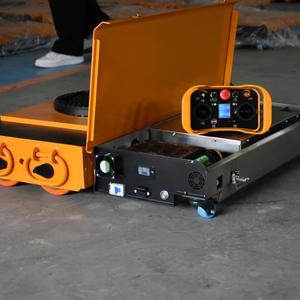
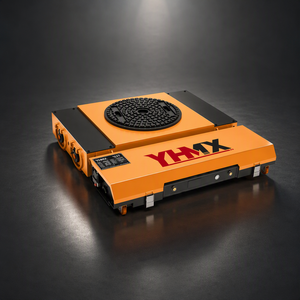
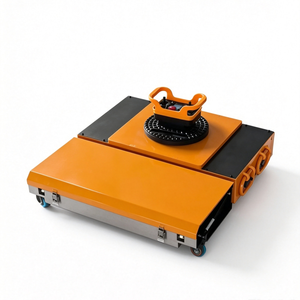
With New York’s aggressive transition toward green energy infrastructure, energy storage systems (BESS) and heavy electric material handling machinery are flooding regional ports. Class 9 Miscellaneous Hazardous Materials regulations strictly govern UN3480 and UN3481 lithium battery shipments. Using remote-controlled motorized load machines (such as 40T battery-motorized shop movers) allows warehouse operators in Queens and Brooklyn to move high-density battery arrays without introducing internal combustion risks into sealed hazardous storage cells.
Scenario B: Specialized Chemical & Pharmaceutical Freight via JFK International Airport
New Jersey's "Pharma Seaport" corridor and Long Island's biotechnology research parks frequently export delicate, temperature-sensitive hazardous compounds via JFK. Utilizing our CCSF-certified air freight linehaul network, reagents and flammable solvents (Class 3) are screened, verified against UN packaging standards, built onto ULD pallets, and delivered directly tarmac-side while maintaining total adherence to cold-chain and dangerous goods manifest protocols.
Scenario C: Heavy Industrial Infrastructure & Transloading Projects
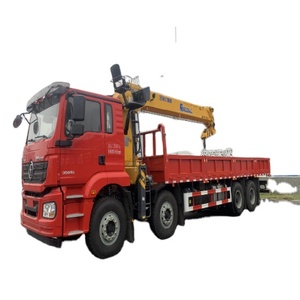
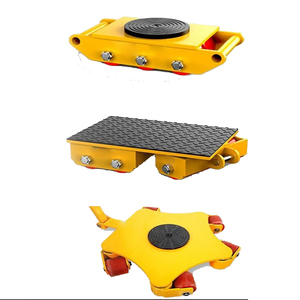
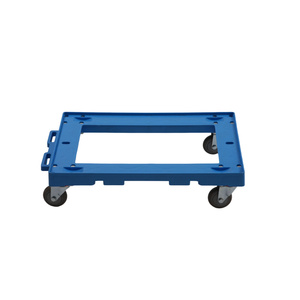
Urban construction projects in Manhattan and the surrounding boroughs often require heavy object movement—such as 20-50 Ton sliding tank transport vehicles, 16-ton wrecker flatbeds with 8-ton cranes, and specialized roller tank trolleys. Transferring this machinery from inbound ocean flat-racks onto domestic flatbed step-deck trailers requires specialized drayage permits, specialized riggers, and night-shift devanning to navigate NYC tunnel and bridge weight restrictions seamlessly.
Macro Trends & Regulatory Evolution in the NY Metropolitan Logistics Market
The hazardous materials logistics landscape in New York is undergoing rapid transformation driven by regulatory shifts, urban environmental policy, and technology integration:
NYC Clean Truck Program & Zero Emissions
Mandates targeting drayage fleets serving Port Newark and NY marine terminals require rapid adoption of electric heavy material transporters and low-emission heavy-haul tractors to avoid congestion surcharges.
Real-Time Telematics & IoT Spill Prevention
Modern hazmat fleets operating across I-95 are integrated with smart sensor telemetry, monitoring tank pressure, ambient temperature, and real-time GPS routing to provide automated alerts to local emergency response units.
Tightening FDNY Hazardous Storage Permits
New York City fire codes have expanded oversight on temporary warehouse storage of flammable liquids and oxidizers, increasing demand for pre-cleared, Customs Bonded off-dock transloading facilities outside congested zones.
Industry-Tested Leadership: Hands-On Logistics Management
E-E-A-T (Experience, Expertise, Authoritativeness, and Trustworthiness) is embedded at every level of our freight handling hierarchy. Moving complex cargo demands direct accountability from seasoned logistics specialists who understand cargo compliance inside and out.

Directs bonded transloading, heavy equipment rigging, and 160K sq ft facility safety protocols.
Oversees global ocean export compliance, IMDG alignment, and carrier contract negotiations.
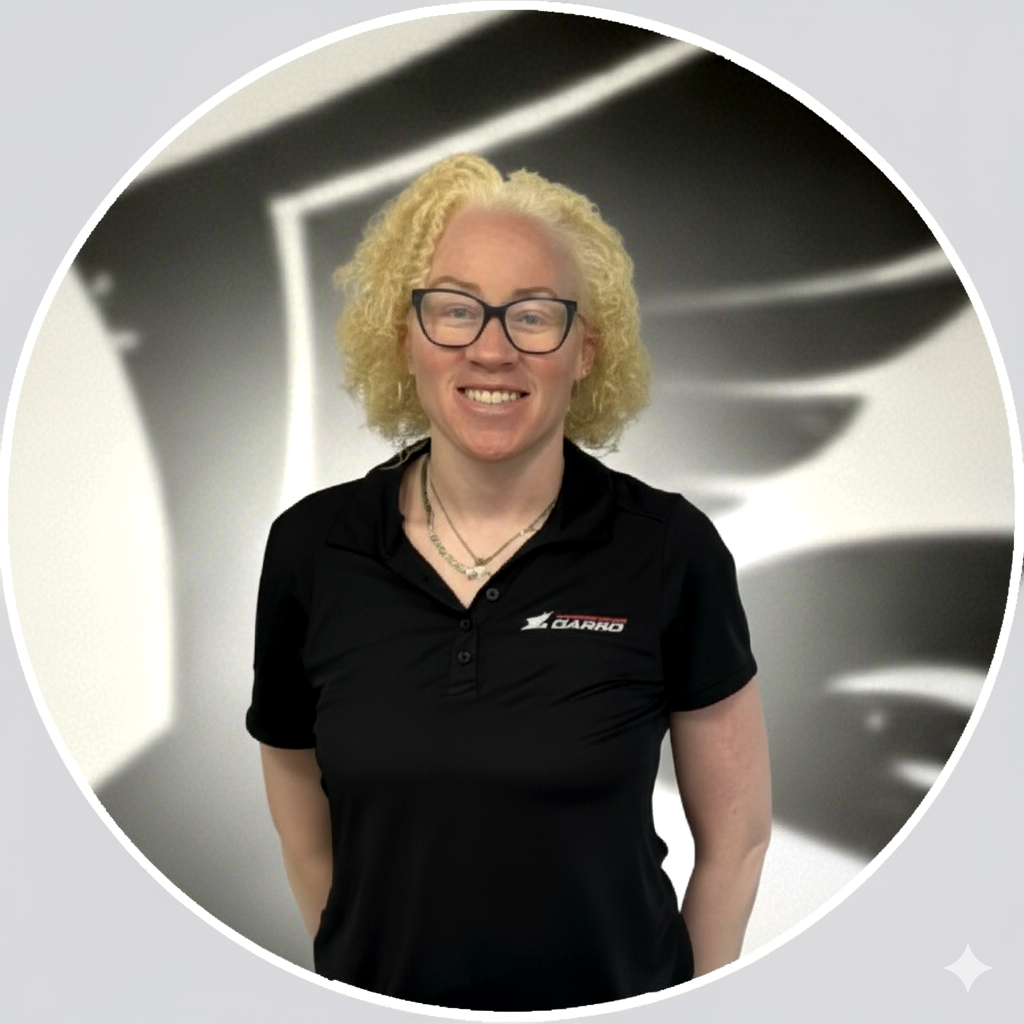
Manages port drayage dispatch, container devanning, and emergency intermodal rerouting.

Specializes in TSA CCSF screening protocols, ULD build-up, and expedited dangerous goods airfreight.
Local Procurement FAQ: Hazmat Logistics in the New York Market
Streamline Your Hazardous Freight Logistics in New York
Connect directly with our senior freight engineering team to resolve complex drayage, CCSF air export, or heavy transloading challenges today.