Specialized Machinery for Demurrage Reduction & Heavy Cargo Handling
Purpose-engineered heavy movers, motorized tank trolleys, and tow trucks designed to drastically accelerate container turnaround times, eliminate wharf dwell penalties, and streamline port-to-warehouse logistics across Australian hubs.
Strategic Demurrage & Detention Management for the Australian Market
Navigating ocean freight logistics within Australia requires an intimate understanding of unique port operational mechanics, strict regulatory oversight, and complex carrier-tier free time structures. As ocean carriers operating across trade lanes connecting China, Southeast Asia, and Australia tighten import free time windows—frequently down to 3 to 5 calendar days—importers and freight forwarders across Sydney (Port Botany), Melbourne (Webb Dock / Swanson Dock), Brisbane (Fisherman Islands), and Fremantle face escalating costs from Demurrage, Detention, and Wharf Terminal Storage fees.
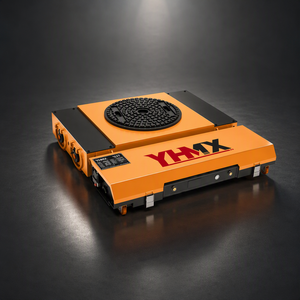
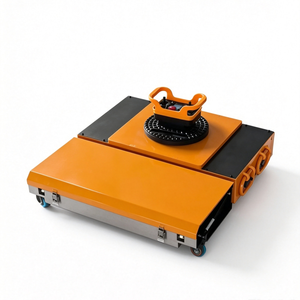
Demurrage and detention charges are no longer mere operational inconveniences; they represent major profit leaks for Australian industrial importers, machinery distributors, and mining equipment suppliers. Eliminating these fees requires a combined strategy: deploying high-capacity shop-floor material handling hardware (such as 40T battery-motorized load movers and roller tank skids) alongside agile off-dock transloading processes that allow empty containers to be returned long before ocean carrier free time expires.
Distinguishing Demurrage, Detention, and Terminal Storage in Australian Ports
To establish an airtight risk-mitigation framework, supply chain directors must delineate the three cost categories enforced by Australian port stakeholders and international shipping lines (such as Maersk, MSC, COSCO, ANL, and ONE):
| Penalty Category | Trigger Condition | Entity Charging the Fee | Primary Cause in Australia | Hardware / Operational Solution |
|---|---|---|---|---|
| Wharf Demurrage | Import container remains uncollected inside terminal beyond free days (typically 3–5 days). | Ocean Shipping Line (e.g., ANL, COSCO, MSC) | Biosecurity (BICON) hold clearance delays, lack of slots in PBLIS/VBS. | Pre-cleared customs paperwork & priority drayage staging. |
| Terminal Storage | Container stays on quay ground after free period expires. | Terminal Operator (DP World, Patrick, VICT) | Port congestion, stevedore strikes, yard gridlock. | Night-shift drayage off-peak wharf pickup. |
| Container Detention | Empty container not returned to designated Empty Container Park (ECP) after wharf de-hire. | Ocean Shipping Line | Slow unstacking of heavy machinery at factory site, driver shortages. | Deploying 20T–50T motorized tank trolleys & heavy crane trucks for instant unloading. |
The Role of Specialized Material Handling in Mitigating Detention Charges
A primary failure point in Australian container turnaround times occurs at the destination factory or warehouse site. When heavy machinery, bulky industrial equipment, or heavy crates arrive in 40ft High Cube containers, standard forklifts often lack the load capacity or maneuverability to safely extract the cargo. Containers remain parked on chassis or ground-dropped for days while riggers wait for expensive mobile crane rentals.
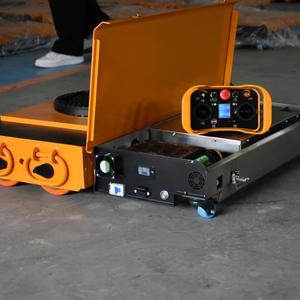
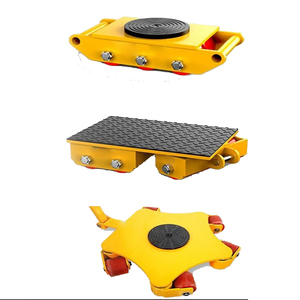
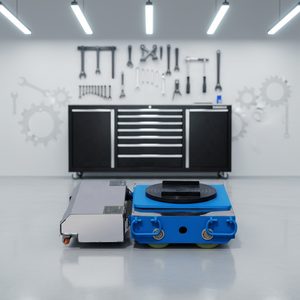
By outfitting Australian facilities and import distribution hubs with specialized machinery—such as our 40T Industrial Load Mover Handling Battery Motorized Vehicle or Cargo Trolley Transport 6ton-8ton Roller Tanks—unloading cycles drop from 14 hours down to under 45 minutes. This rapid devanning capability empowers Australian importers to return empty containers to designated Empty Container Parks (ECPs) in Botany, Brooklyn, or Hemmant well within the 5-day free time window, saving thousands of dollars per container.
Localized Application Scenarios Across Australian Logistics Corridors
Australia’s vast geographical footprint presents distinct operational challenges across its major state trade gateways. Below are real-world application scenarios demonstrating how our factory equipment and logistics management framework eliminate demurrage and detention across key Australian economic sectors.
Western Sydney Freight Hub & Port Botany Logistics
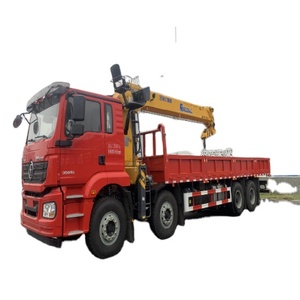
Navigating Port Botany’s Landside Improvement Strategy (PBLIS) requires strict vehicle booking system (VBS) adherence. Importing heavy machinery into Botany often faces slot congestion. By utilizing Shacman 16-Ton Wrecker Tow Trucks with 8-Ton Cranes, logistics operators rapidly transport flat-racks and out-of-gauge containers directly to off-dock yards in Yennora or Wetherill Park for instant stripping.
Western Australia Mining & Heavy Resources (Fremantle Corridor)
Mining operations in the Pilbara rely on oversized pump skids, transformers, and heavy equipment imported through Fremantle Port. Detention costs accumulate quickly when equipment sits idle in Kwinana yards. Utilizing Remote-Controlled 50T Heavy Machinery Sliding Tank Vehicles allows site engineers to move massive cargo off flat-rack containers immediately upon site arrival.
Victoria Agricultural & Regional Manufacturing (Port of Melbourne)
Melbourne’s Webb Dock and Swanson Dock serve as primary gateways for regional Victorian manufacturing and agricultural machinery imports. Incorporating 20-Ton Electric Rotating Material Transporters enables fast indoor factory movement in cramped Melbourne industrial estates without smoke emissions or overhead crane bottlenecks.
Australian Market Trends & Regulatory Environment (2025–2030)
The Australian shipping and freight ecosystem is undergoing fundamental regulatory and technological transformations. Logistics directors must align their demurrage and detention management practices with the following structural shifts:
1. ACCC Regulatory Scrutiny & Part XA Reforms
The Australian Competition and Consumer Commission (ACCC) has increased oversight on ocean shipping lines regarding unfair detention fee practices. With shipping lines enforcing shorter free time allowances (down from 7 days to 3–5 days), the ACCC and the Freight Transport Network monitor container de-hire availability at ECPs. Importers must maintain detailed digital audit trails of container pickup, devanning time, and ECP drop-off slot rejections to dispute invalid detention invoices successfully.
2. Biosecurity Australia (DAFF) Inspection Delays
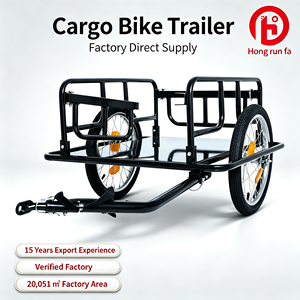
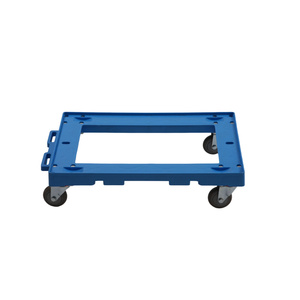
Strict biosecurity inspections managed by the Department of Agriculture, Fisheries and Forestry (DAFF) remain a primary driver of demurrage at Australian ports. Soil contamination or pest threats on imported heavy machinery result in immediate movement halts. Implementing pre-shipment washing, factory-level cleanliness protocols, and using eco-friendly plastic crate dollies and sealed transport skids drastically reduces DAFF hold times at Australian container examination facilities (CEFs).
3. Electrification & Automation of Material Flow
Australian warehouses in precinct zones like Western Sydney Infrastructure Park and Melbourne’s Horizon 3020 are transitioning to zero-emission, battery-powered shop-floor material handlers. Remote-controlled electric load movers eliminate the reliance on diesel forklifts indoors, reducing labor costs while accelerating cargo devanning to prevent detention fees.
Enterprise Strengths: Full-Spectrum Manufacturing & Global Logistics Support
Backed by over 25 years of industry leadership, our manufacturing and logistics infrastructure delivers end-to-end support for Australian importers and global exporters. We do not just supply heavy-duty material handling machinery; we engineer complete freight management solutions designed to eliminate operational friction.
160,000 Sq. Ft. Transloading Facilities
Extensive warehousing capacity engineered for heavy cargo staging, container devanning, sorting, palletizing, and short-term buffer storage located near major port corridors.
Customs Bonded & CCSF Equivalent Compliance
Fully certified security facilities ensuring seamless customs clearance, hazmat cargo handling, and high-security compliance for high-value Australian imports.
Heavy Equipment Engineering Excellence
Factory-direct manufacturing of custom 20T to 50T motorized tank trolleys, crane tow trucks, and heavy-duty load movers built to withstand rugged industrial environments.
Spotlight: Key Logistics & Operational Leadership
Our dedicated team of experts works directly with Australian logistics managers to streamline container handling and material movement:


Frequently Asked Questions for Australian Procurement & Logistics Managers
Clear answers to standard operational questions regarding container demurrage, detention avoidance, and machinery procurement for the Australian market.
Eliminate Demurrage & Detention Penalties in Australia Today
Whether you need specialized 20T–50T heavy load moving equipment to accelerate factory devanning or expert off-dock transloading solutions for Australian ports, our factory engineering and logistics team is standing by to optimize your operations.