
01
Architecting Modern Supply Chains: The Strategic Role of Cross-Docking in Riyadh
As Saudi Arabia accelerates its economic diversification under Saudi Vision 2030, the Kingdom’s capital, Riyadh, has emerged as the definitive central logistics nexus of the Middle East and North Africa (MENA) region. Cross-docking services—the strategic operational process of unloading incoming freight directly from inbound transport units and loading them onto outbound vehicles with minimal to zero intermediate warehouse storage—represent the cornerstone of modern, lean supply chain management.
Traditional warehousing models relying on extended storage cycles generate substantial inventory holding costs, expose high-value goods to handling damage, and induce operational bottlenecks. In contrast, advanced cross-docking operations engineered by premier manufacturers and turnkey suppliers streamline material flow, drastically reducing dwell time to under two hours while ensuring rapid consolidation and deconsolidation.
Operational Architecture of Advanced Cross-Docking Systems
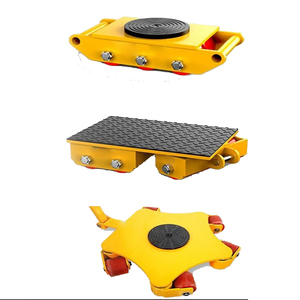
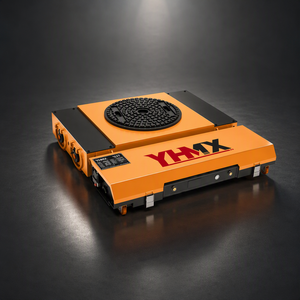
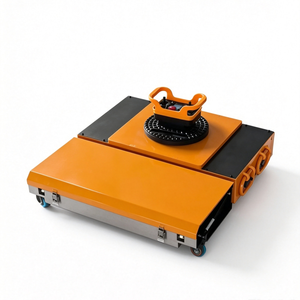
Modern cross-docking in Riyadh is divided into four high-efficiency operational modalities, supported by heavy-duty material handling machinery such as battery-powered motorized load movers and precision roller tank trolleys:
- Manufacturing Cross-Docking: Receiving raw industrial materials, structural steel, or electrical assemblies, consolidating inbound components, and executing sub-assembly staging directly onto outbound flatbed trucks serving mega-infrastructure projects such as Qiddiya, Diriyah Gate, and NEOM feeder corridors.
- Distributor Deconsolidation & Consolidation: Merging Less-Than-Container-Load (LCL) shipments and Full Container Load (FCL) consignments originating from Dammam’s King Abdulaziz Port or Jeddah Islamic Port, sorting incoming goods by destination district, and dispatching consolidated full truckloads (FTL) throughout Greater Riyadh.
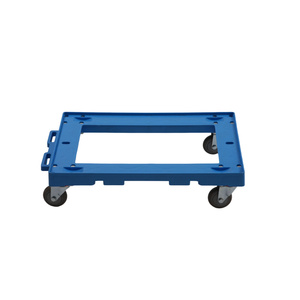
- Retail & E-Commerce Fast-Fulfillment: High-velocity automated sorting of consumer packaged goods (CPG) and electronics into specialized plastic crate dollies and mobile trailers for last-mile delivery across central Saudi Arabia.
- Temperature-Controlled Cold Chain Transfer: Rapid, continuous transfer of fresh produce, biological vaccines, and temperature-sensitive pharmaceuticals within specialized refrigerated bays, fully compliant with Saudi Food and Drug Authority (SFDA) regulations.
02
Localized Application Scenarios Across Riyadh’s Strategic Logistics Corridors
Logistics execution in Riyadh requires deep operational familiarization with local urban planning, extreme climate realities, and specialized trade zones. Cross-docking infrastructure must be tailored to distinct industrial hubs operating within the Capital Governorate:
1. King Khalid International Airport (RUH) & SILZ (Special Integrated Logistics Zone)
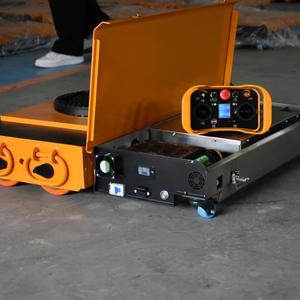
High-value electronic components, emergency automotive spare parts, and time-critical medical supplies arriving via air freight require immediate bonded cross-docking. Our equipment fleet—including remote-controlled electric heavy-load transporters and CCSF-compliant screening infrastructure—enables seamless sea-to-air and air-to-ground transloading within minutes of runway offloading, bypassing conventional customs delays via integrated Saudi Fasah System protocols.
2. Riyadh Dry Port & Al Sulay Logistics District
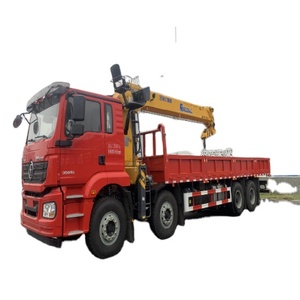
The inland rail corridor connecting Dammam directly to the Riyadh Dry Port handles thousands of TEUs daily. Specialized heavy-duty 40-ton motorized cargo movers and 16-ton wrecker flatbed towing trucks with integrated cranes facilitate immediate container devanning and heavy machinery transfer in the Al Sulay and Al Mshael industrial districts. Intermodal containers are stripped, inspected, palletized, and cross-docked onto domestic trailers, completely avoiding expensive port demurrage fees.
3. Extreme Thermal Protection: Summer Ambient Operations (>45°C)
Operating cross-docking hubs during Saudi Arabia's summer months demands rigorous thermal control engineering. Heavy-duty material handling equipment must feature heat-resistant polyurethane rollers, lithium-iron-phosphate battery thermal management systems, and dust-sealed IP65 electrical enclosures to withstand continuous airborne particulate matter during seasonal sandstorms.
03
Macro Logistics Trends: Riyadh as the MENA Region's Supply Chain Powerhouse
Under the umbrella of the National Industrial Development and Logistics Program (NIDLP), Saudi Arabia is investing heavily to elevate Riyadh into a top-10 global logistics hub. Key market dynamics reshaping cross-docking manufacturing and service requirements include:
- Digitization & ZATCA Integration: Full digital synchronization between warehouse management systems (WMS) and the Zakat, Tax and Customs Authority (ZATCA), requiring real-time barcode and RFID tracking at cross-dock entry and exit points.
- Automated & Green Material Handling: Rapid phase-out of internal combustion forklifts in favor of battery-powered heavy object transporters and zero-emission electric tank vehicles to meet Saudi Green Initiative carbon reduction goals.
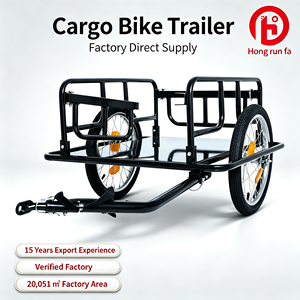
- Regional Headquarters (RHQ) Supply Chain Concentration: As over 200 international corporations relocate their regional headquarters to Riyadh, cross-docking demand is shifting toward highly customized, multi-tenant fulfillment frameworks requiring modular crate dollies and versatile heavy-load cargo trailers.
04
Why Leading Enterprises Partner with Our Cross-Docking Solutions
Building upon decades of proven material handling, transloading, and logistics equipment manufacturing expertise, our organization delivers unmatched structural capabilities for global logistics providers and domestic enterprises across Saudi Arabia:
25+ Years of Engineering Excellence
Extensive experience in manufacturing ultra-heavy capacity load movers, tow trucks, and warehouse transport systems trusted by Fortune 500 logistics operators.
Integrated Staging Infrastructure
Over 160,000 sq. ft. of dedicated warehousing and staging space supporting CCSF-certified air cargo screening, CTPAT security protocols, and customs-bonded storage.
Custom Mechanical Engineering
Ability to manufacture specialized sliding tank transport vehicles, wireless remote-controlled movers, and eco-friendly crate dollies tailored to bespoke client specifications.
Whether handling hazardous material consignments, heavy breakbulk project cargo, or high-velocity retail cross-docking, our equipment ensures maximum operational throughput, absolute safety compliance, and zero structural equipment downtime.
05
Frequently Asked Questions (FAQ) for Procurement & Logistics Buyers in Riyadh
Optimize Your Riyadh Supply Chain Operations Today
Speak directly with our senior logistics engineers and industrial equipment specialists to configure high-efficiency cross-docking systems tailored for Saudi Arabia.