Heavy Duty Cargo Equipment & Transloading Machinery
Engineered for high-volume Thai port operations, cross-border transloading, and heavy industrial cargo labeling facilities.

Optimizing Cross-Border Supply Chain Integrity: Cargo Labeling and Relabeling Operations in Thailand
In the modern globalized trade matrix, Thailand has established itself as the logistical backbone of Southeast Asia. Serving as the primary gateway to the Greater Mekong Subregion (GMS) and a vital hub within the Eastern Economic Corridor (EEC), the Kingdom handles millions of Twenty-Foot Equivalent Units (TEUs) annually across deep-sea maritime ports like Laem Chabang and air cargo terminals like Suvarnabhumi Airport (BKK). However, navigating Thai customs compliance, regional packaging mandates, and environmental endurance requirements presents complex challenges for international manufacturers, freight forwarders, and logistics operators.
Importers and exporters frequently face costly customs holds, demurrage charges, and regulatory penalties due to improper labeling, missing barcode data, or non-compliance with the Thai Customs Department Notification B.E. 2560. Partnering with a specialized Cargo Labeling and Relabeling Manufacturer & Factory for Thailand is no longer just an operational convenience—it is a strategic imperative. This comprehensive whitepaper provides an expert-level examination of technical labeling standards, localized application scenarios, environmental material selection, and high-efficiency transloading infrastructure designed to ensure seamless cargo movement across Thai trade corridors.
High-Humidity & Tropical Adhesive Formulation
Thailand’s climate exhibits relative humidity levels exceeding 90% during monsoon seasons, combined with ambient temperatures often reaching 40°C+. Standard acrylic adhesives degrade, leading to label flagging, peeling, or total detachment during ocean transshipment. Premium cargo relabeling factories utilize reinforced high-tack rubber adhesives and modified emulsion adhesives capable of bonding securely to corrugated boxes, HDPE crates, and steel shipping container walls under extreme tropical stress.
TISI & FDA Thailand Compliance Architecture
The Thai Industrial Standards Institute (TISI) and the Thai Food and Drug Administration (FDA) enforce stringent marking rules. Industrial equipment, consumer electronics, and chemical goods entering Thailand must carry precise Thai-language warnings, registration numbers, GS1 barcode arrays, and importer details. Manufacturing factories producing specialized relabeling substrates offer dual-layer, over-laminated thermal transfer synthetic labels (PP, PET) that resist chemical friction and UV degradation.
Bonded Warehouse Transloading & Rapid Re-Labeling
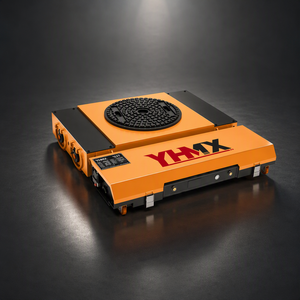
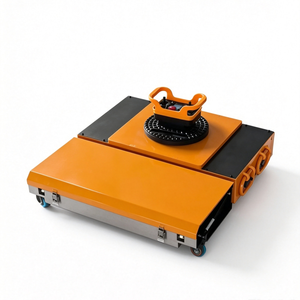
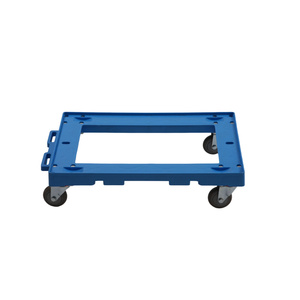
When cargo arrives at Thai sea or air ports with non-compliant shipping marks, moving goods to a Customs Bonded Facility allows for rapid un-stuffing (devanning), sorting, relabeling, and repalletizing without incurring import duties or penalties. Utilizing heavy-duty cargo movers, electric tank trolleys, and automated label applicators ensures high-volume throughput within tight demurrage windows.
Localized Application Scenarios Across Thailand’s Industrial Zones
Cargo labeling requirements in Thailand are not uniform; they vary significantly depending on the point of entry, end destination, and industrial sector. Below are key regional application scenarios where high-performance labeling and expert factory relabeling services are essential:
| Industrial Hub / Region | Primary Sector & Operations | Labeling & Relabeling Requirements | Critical Compliance Standards |
|---|---|---|---|
| Rayong & Chonburi (EEC) | Automotive Manufacturing, EV Production, Petrochemicals | Heavy-equipment labeling, GHS chemical hazard marks, OEM automotive part tracking. | TISI Standards, GHS Chemical Compliance, UV-Resistant Synthetic Vinyl. |
| Bangkok & Pathum Thani | FMCG, E-Commerce Fulfillment, Electronics Assembly | Consumer package relabeling, Thai language translation stickers, GS1-128 barcoding. | Thai FDA Registration, Ministry of Commerce Consumer Packaging Act. |
| Laem Chabang Port & Map Ta Phut | Maritime Container Transloading, Bulk Cargo Export | Container door shipping marks, palletized cargo identification, outer carton relabeling. | Thai Customs Department Act B.E. 2560, SOLAS VGM Weight Verification. |
| Mukdahan, Nong Khai & Mae Sot | Cross-Border Logistics (Laos, Vietnam, Myanmar, China) | Multi-lingual transit labels, transit cargo documentation, customs seals. | GMS Cross-Border Transport Agreement (CBTA), ASEAN Transit Customs. |
1. Automotive & EV Battery Supply Chain in the Eastern Economic Corridor (EEC)
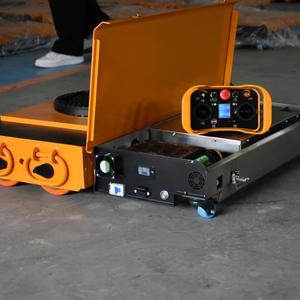
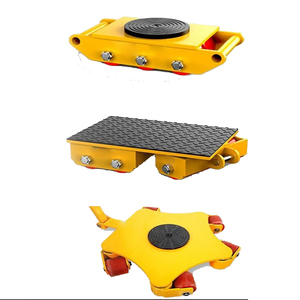
As Thailand solidifies its position as the "Detroit of Asia" and accelerates EV manufacturing across Rayong and Chonburi industrial estates, the influx of machinery components, battery cells, and heavy chassis requires specialized industrial labeling. Heavy machinery movement tools—such as 40-ton motorized cargo movers, sliding tank transport vehicles, and electric tank trolleys—are continuously deployed within bonded facilities to maneuver heavy crates. Cargo relabeling factories supply heat-resistant polyimide and anodized aluminum serial tags that survive high-temperature automotive paint lines and harsh engine oils.
2. Cold Chain & Agricultural Export Operations in Samut Prakan
Thailand’s seafood, frozen food, and tropical fruit export industries demand specialized cold-chain labeling solutions. Cold-room storage warehouses in Samut Prakan operate at temperatures ranging from -20°C to -40°C. Standard paper labels crack and lose adhesion under severe freezing conditions. Relabeling factories manufacture specialized cryogenic synthetic labels with frost-penetrating hot-melt adhesives. These ensure that batch codes, origin tracing details, and sanitary certifications remain perfectly legible during long-distance reefer container transport to North American and European markets.
3. Cross-Border Freight & Transloading along the East-West Economic Corridor (EWEC)
Goods transiting through Thailand from Vietnam, Laos, and Cambodia towards Malaysia or Myanmar via Mukdahan and Mae Sot border posts must undergo strict transit cargo verification. In transit bonded warehouses, goods are often un-palletized and transferred from foreign trucks to Thai-registered haulage fleets. Specialized relabeling services apply tamper-evident transit labels and QR-coded tracking stickers that allow customs officials to monitor cargo integrity across multi-modal transport networks without opening outer packaging.
Thailand Logistics & Packaging Trends: 2025–2030 Outlook
The logistics landscape in Thailand is undergoing a digital and green transformation driven by government policies, international trade mandates, and automation goals. Understanding these emerging trends enables enterprises to future-proof their supply chain infrastructure:
Thailand 4.0 & Smart Port Automation
Laem Chabang Port Phase 3 expansion heavily integrates automated container handling and RFID-enabled cargo tracking. Relabeling factories are increasingly producing smart labels embedded with UHF RFID transponders alongside traditional barcodes, allowing automated gantry cranes and gate scanners to read container data instantly upon arrival.
Mandatory GHS Chemical Marking Enforcement
Thailand’s Hazardous Substances Act requires strict compliance with the Globally Harmonized System (GHS) of Classification and Labelling of Chemicals. Factories exporting industrial solvents, agricultural fertilizers, or paints into Map Ta Phut must utilize GHS-certified color-coded pictograms printed on BS5609-compliant marine-grade substrates capable of surviving 3 months of saltwater immersion.
Eco-Friendly & Recyclable Packaging Substrates
Aligning with Thailand’s Bio-Circular-Green (BCG) Economic Model, multinational corporations are shifting toward eco-friendly packaging materials. Relabeling factories now engineer recyclable direct thermal labels, water-soluble adhesives, and bio-based PLA films that facilitate effortless corrugated box recycling without chemical contamination.
Why Leading Global Logistics Networks Partner with Our Infrastructure
Combining 25+ years of international freight logistics expertise with specialized industrial transloading and relabeling capabilities.
160,000 Sq. Ft. Customs Bonded Facility
Our expansive bonded warehousing hubs permit immediate cargo devanning, inspection, sorting, and relabeling without premature customs clearance fees, keeping your supply chain lean and flexible.
Heavy Machinery & Roll-Tank Fleet Integration
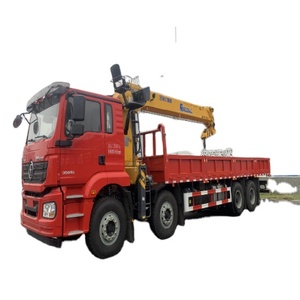
From 40-ton motorized cargo movers to electric tank trolleys and heavy-duty wrecker trucks with cranes, our facilities possess the mechanical muscle required to handle oversized industrial cargo safely.
CCSF Certified & CTPAT Compliant Standards
As a Certified Cargo Screening Facility (CCSF), we enforce multi-tiered security protocols, ensuring that relabeled air and sea freight moves seamlessly into international air carriers and container vessels.
End-to-End Multimodal Linehaul Network
Our logistics reach spans major trade gates worldwide, connecting port drayage, ocean freight transloading, air export buildup/breakdown, and rapid cross-border distribution across Thailand and beyond.
Frequently Asked Questions by Thai Procurement & Logistics Managers
What happens if imported cargo arrives at Laem Chabang Port with non-compliant labels?
If imported cargo fails Thai Customs inspection due to incorrect marking or lack of Thai language translation, customs officials will issue a hold notice. To avoid heavy fines or cargo rejection, the shipment can be transferred under customs supervision to a Customs Bonded Warehouse. There, specialized devanning teams un-stuff the container, apply compliant replacement labels provided by a certified factory, and submit the corrected cargo for re-inspection.
How do high-humidity tropical conditions impact label adhesive selection for Thailand?
Thailand experiences relative humidity levels above 90% and high ambient temperatures. Standard pressure-sensitive paper labels absorb moisture, causing the paper to warp and the adhesive to lose shear strength (leading to label flagging or detachment). For Thailand distribution, factories recommend synthetic films (BOPP, PET, or Vinyl) paired with high-tack, solvent-based acrylic or rubber adhesives formulated specifically for humid tropical climates.
What are the mandatory elements required on Thai commercial cargo labels?
Under the Thai Consumer Protection Act and TISI guidelines, commercial import labels must clearly display: (1) Product name and brand, (2) Importer/Manufacturer name and registered Thai address, (3) Country of Origin, (4) Dimensions/Weight/Net Quantity, (5) Manufacturing & Expiration dates, (6) Thai language usage instructions/warnings, and (7) Applicable TISI or Thai FDA license numbers alongside GS1 barcodes.
Can oversized or heavy machinery cargo be relabeled inside bonded facilities?
Yes. Handling oversized industrial equipment requires specialized heavy-lift machinery such as 40-ton motorized load movers, heavy-duty roller tank trolleys, and mobile crane trucks. Bonded transloading facilities equipped with high-capacity floor loading enable safe un-skidding, physical relabeling, serial number plate riveting, and repalletizing of heavy machinery prior to final domestic transport.
What is the typical SLA turnaround time for emergency cargo relabeling in Thai ports?
Standard emergency relabeling projects conducted inside port-adjacent bonded warehouses typically boast a 24-to-48-hour turnaround SLA for standard full container loads (FCL), depending on carton count and label verification complexity. Rapid execution prevents container demurrage and detention fees charged by shipping lines.
Are GHS hazard labels mandatory for chemical imports into Map Ta Phut Industrial Estate?
Absolutely. The Thai Department of Industrial Works (DIW) strictly mandates GHS (Globally Harmonized System) chemical labeling for all hazardous substance imports. Labels must feature chemical identifiers, signal words (Danger/Warning), GHS hazard pictograms in red diamond borders, precautionary statements, and 24/7 Thai emergency contact details printed on chemical-resistant, marine-grade substrates.
How does RFID labeling integrate with Thailand’s EEC smart logistics initiative?
Within Thailand's Eastern Economic Corridor (EEC), automated warehouses and smart port gates utilize RFID gantries to read pallet and container data dynamically. Factories supplying cargo labels engineer hybrid barcode/RFID labels (inlays integrated into synthetic labels) allowing dual visual and radio-frequency identification, accelerating gate-in/gate-out processing times.
Optimize Your Thailand Supply Chain Compliance Today
Contact our technical logistics and cargo relabeling specialists to schedule a consultation, request customized label material samples, or resolve an urgent customs hold at Thai ports.