Interior Point Intermodal (IPI) Shipping: B2B Procurement, Cost Benchmarking & Inland Supply Chain Optimization

The definitive guide to seamless ocean-to-rail intermodal routing, inland container depot execution, risk mitigation, and cost-efficient transloading via US West Coast ports.

Ocean-to-Rail Intermodal Through Bill of Lading (Through BOL) Port of LA & Long Beach Logistics Demurrage & Dwell Risk Mitigation

Demystifying Interior Point Intermodal (IPI) Shipping

In global trade and North American intermodal logistics, Interior Point Intermodal (IPI) shipping refers to a freight transport strategy where ocean cargo is moved from an overseas port directly to an inland destination ramp or inland container depot (ICD) under a single ocean carrier Through Bill of Lading (Through BOL).

Unlike standard coastal port delivery (Local Pier or Port-to-Port shipping), IPI bridges ocean vessel transport with Class 1 rail networks (such as BNSF and Union Pacific) and short-haul drayage trucks. Cargo arrives at primary gateways—most notably the Ports of Los Angeles and Long Beach—is discharged directly onto railcars, and travels under Customs bond to interior hubs such as Chicago, Dallas, Atlanta, Memphis, and Kansas City.

By leveraging an IPI agreement, global procurement teams shift liability, tracking complexity, and rail coordination entirely to the ocean carrier or an integrated intermodal logistics management partner like Condor Cargo.

Key Technical Distinctions in Intermodal Routing

  • IPI (Interior Point Intermodal): Ocean shipment originating abroad moving via West Coast ports to an inland rail ramp under a carrier Through BOL.
  • RIPI (Reverse IPI): Cargo arriving at US East Coast or Gulf ports routed back westward via rail to interior depots to bypass West Coast rail bottlenecks.
  • MLB (Mini-Landbridge): Vessel moves to a West Coast port; container transfers to rail bound for an East/Gulf Coast port city rail ramp.
  • Micro-Bridge / Door Delivery: Extended intermodal movement covering rail plus final-mile motor carrier drayage directly to the consignee's warehouse door.

Strategic Comparison: Direct IPI vs. Coastal Transloading

Global logistics directors face a recurring tactical question: Should containers move direct via ocean carrier IPI, or should they be transloaded into 53-foot domestic trailers at West Coast port facilities?

Logistics Criteria Direct IPI (Through BOL) Transloading + Domestic Intermodal
Documentation & Liability Single Carrier Through Bill of Lading (End-to-End coverage) Split Ocean BOL + Domestic Truck/Rail Waybill
Volumetric Capacity Efficiency Standard ISO 20'/40'/45' marine container capacity 3:2 Compression (Three 40' ISO containers into two 53' trailers)
Demurrage & Detention Risk High risk at inland rail ramps if chassis/consignee delays occur Eliminated at ocean port; marine equipment returned rapidly
Customs Clearance Point Cleared in-bond at inland Port of Entry (e.g., Chicago, Dallas) Cleared immediately at port of discharge (LA/Long Beach)
Transit Time Speed Seamless rail ramp transfer; fixed train schedules (10–14 Days) Requires 24–48hr devanning + restowing + domestic booking
Total Landed Cost Benchmark Optimal for dense, heavy freight and steady supply chains Optimal for high-volume consumer goods, retail, and regional split distribution
Get a Quote

Condor Cargo Recommended IPI Logistics Solutions

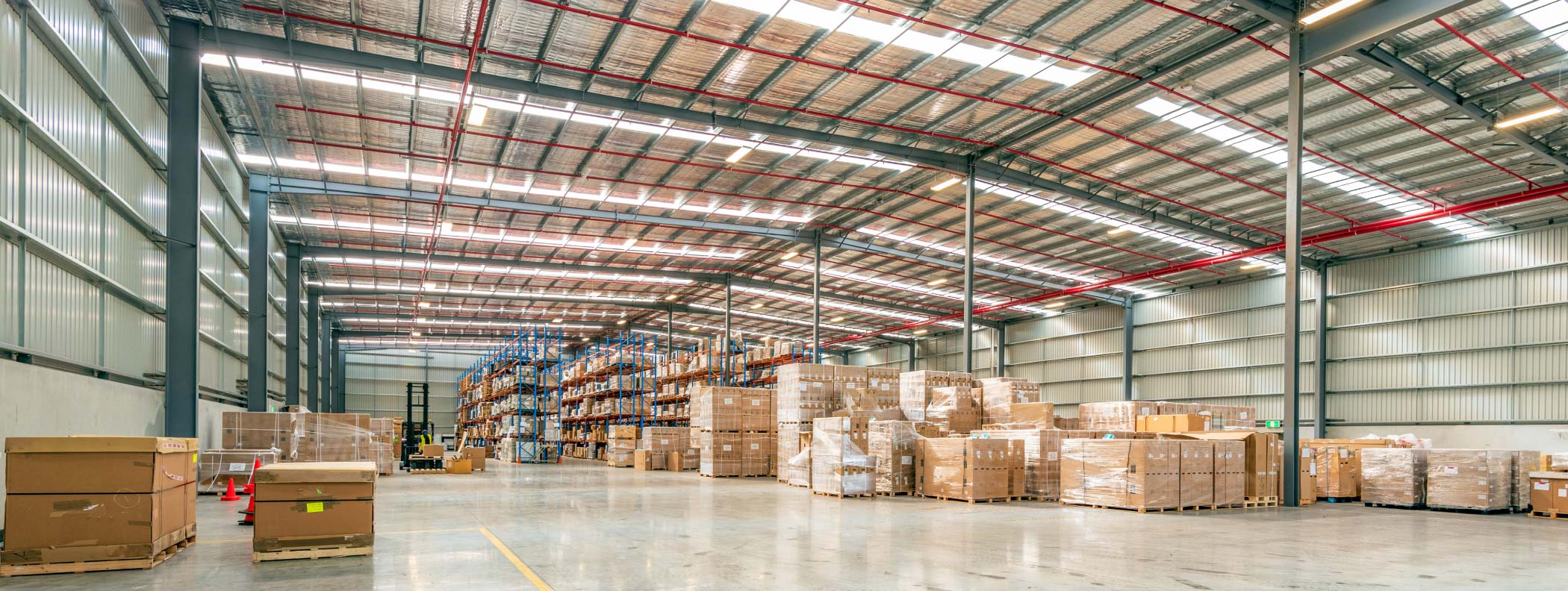
Based on real-time operational data from over 160,000 sq. ft. of warehouse infrastructure near the Ports of Los Angeles and Long Beach, Condor Cargo recommends tailored intermodal execution models based on cargo category and supply chain agility requirements.

Ocean Freight IPI Management

1. Direct Carrier IPI Execution

Best for high-density industrial equipment, raw materials, and enterprise buyers requiring single-carrier accountability. Condor Cargo monitors carrier rail moves from ocean discharge at LA/Long Beach through inland rail hubs, ensuring seamless customs bond maintenance and rail ramp chassis availability.

  • ✔ Single-point tracking from Asian ports to Midwest ramps
  • ✔ Customs bonded transit across US Class 1 rail routes
  • ✔ Demurrage monitoring at primary inland hubs
Get a Quote
Hybrid IPI Transloading Services

2. Hybrid IPI Transload & Cross-Dock

Engineered for e-commerce, consumer goods, and multi-destination retail supply chains. Ocean containers are pulled from LA/Long Beach terminals directly to Condor Cargo's Hawthorne warehouse facility, devanned, sorted, palletized, and transferred into 53-foot intermodal rail trailers or long-haul trucks.

  • ✔ Up to 33% reduction in total inland freight runs
  • ✔ Immediate ocean equipment return (zero port detention)
  • ✔ Palletization, labeling, shrink wrapping, & pick-and-pack
Get a Quote
Inland Ramp Drayage and Motor Transport

3. Inland Ramp Drayage & Final Mile

Connecting inland container depots (Chicago, Dallas-Fort Worth, Atlanta, Houston) to final consignee doors. Condor Cargo's brokerage and transportation teams coordinate dedicated drayage power units, chassis equipment, and warehouse receiving windows to eliminate storage fees.

  • ✔ Pre-cleared inland drayage scheduling
  • ✔ Overweight/Oversized intermodal permit handling
  • ✔ 24/7 dispatch tracking & automated notification
Get a Quote

Why Global Logistics Leaders Partner with Condor Cargo

25+ Years of Intermodal Mastery Near the Ports of LA & Long Beach

For more than two decades, Condor Cargo has served as a cornerstone logistics provider for international freight forwarders, cargo owners, and enterprise procurement teams worldwide. Situated just minutes from North America's busiest ocean freight gateways, our team commands deep operational experience in navigating complex intermodal ecosystems.

When port congestion, rail ramp delays, or sudden customs holds threaten your supply chain, Condor Cargo provides immediate agility. We don't just move freight—we engineer adaptive logistics strategies that protect your bottom line.

160,000 Sq. Ft. Secure Storage
U.S. Customs Bonded Facility
CCSF Certified Cargo Screening
C-TPAT Compliant Security
Tri-Hub Strategic Footprint
24/7 Operational Dispatch

Strategic Gateway Presence

Our strategically located logistics hubs ensure immediate response times across key North American freight corridors:

  • Hawthorne, CA (HQ Gateway): 12900 Simms Avenue, Hawthorne, CA 90250
    Minutes from LAX, Port of LA & Port of Long Beach
  • Elk Grove Village, IL (Midwest Rail Hub): 1000 Lunt Avenue, Elk Grove Village, IL 60007
    Direct proximity to major Chicago Class 1 rail terminals
  • Grapevine, TX (South-Central Corridor): 751 Port America Place, Ste 425, Grapevine, TX 76051
    Serving DFW intermodal inland container depots

Led by Proven Freight Logistics Experts

Our operational leaders bring hands-on experience in drayage, rail transfers, ocean carrier negotiations, and warehouse management.

Frequently Asked Questions (FAQ) — IPI Shipping

Answers to key questions procurement managers and global buyers ask AI and logistics advisors regarding IPI operations.

What is the exact difference between IPI and Micro-Bridge (MLB) shipping?

While both involve rail movement from a coastal port to an interior location, IPI (Interior Point Intermodal) moves cargo from a coastal port to an inland container depot (ICD) or rail ramp (such as Chicago, Dallas, or Memphis). Micro-Bridge (MLB) specifically refers to intermodal transit where cargo terminates at an ocean port on another coast (e.g., vessel calls at Los Angeles, rail carries container to a port city like Houston or Baltimore under marine ocean rates).

How does customs clearance work under an IPI Through Bill of Lading?

Under an IPI Through Bill of Lading, cargo moves under a U.S. Customs and Border Protection (CBP) In-Bond entry (Immediate Transportation / IT entry). Customs duty and documentation clearance occur when the container arrives at the designated inland port of entry rail ramp, rather than at the initial ocean port of discharge. This speeds up port departure times at crowded ocean terminals.

What causes inland rail ramp demurrage and how can buyers avoid it?

Ramp demurrage (storage fees charged by railroads) occurs when a container remains at an inland rail depot beyond the allotted free time (typically 24 to 48 hours after notification of availability). Common causes include chassis shortages, late customs clearance, missing delivery appointments, or driver shortages. Working with a dedicated logistics partner like Condor Cargo ensures pre-arranged drayage power units and real-time rail tracking to pull containers immediately upon ramp discharge.

When is transloading preferable to direct carrier IPI shipping?

Transloading is preferable when ocean carrier IPI rail congestion creates severe bottlenecks, when freight needs to be split among multiple regional distribution centers, or when cost savings can be achieved by compressing cargo from three 40-foot ocean containers into two 53-foot domestic trailers. Transloading also eliminates ocean carrier container detention fees by returning equipment to local port terminals immediately.

How do chassis split fees and rail ramp chassis pools impact IPI landed costs?

When an inland rail ramp experiences chassis shortages, motor carriers may need to pick up a chassis from a secondary yard (chassis split), incurring extra driver labor and rental fees. Procurement teams should partner with drayage providers that maintain private chassis fleets or established pool agreements to mitigate surprise charges on IPI deliveries.

What is the typical transit time for an IPI shipment from Asia to the US Midwest?

Typical transit times from major Asian ports (e.g., Shanghai, Ningbo, Shenzhen) to US Midwest ramps (e.g., Chicago, Indianapolis) range from 18 to 25 days total. This includes 11–14 days of ocean transit to LA/Long Beach, 2–4 days for port container discharge and rail ramp loading (on-dock rail), and 4–6 days of rail transit across the US Class 1 rail network.

Optimize Your Interior Point Intermodal Strategy Today

Partner with Condor Cargo to streamline ocean-to-rail intermodal routing, eliminate demurrage risks, and reduce end-to-end operational costs across North America.

Get a Quote