1. Executive Overview: The Strategic Imperative of End-to-End FCL Management
In modern global procurement, **Full Container Load (FCL) Management** has evolved far beyond basic carrier freight booking. For enterprise importers, multinational manufacturers, and global freight forwarders, managing dedicated ocean container moves is a high-stakes operational discipline where supply chain velocity, container cube utilization, and port drayage synchronization dictate gross profit margins.
Moving a 20-foot or 40-foot High Cube (HC) container from major Asian hubs—such as Shanghai, Ningbo, or Yantian—through the San Pedro Bay port complex (Ports of Los Angeles and Long Beach) involves navigating a labyrinth of carrier alliances, ocean terminal appointment windows, customs clearance protocols, and chassis availability constraints. Without proactive end-to-end management, shippers routinely suffer thousands of dollars per container in avoidable fees, including demurrage, detention, per diem, and traffic mitigation surcharges (PierPass TMF).
Logistics Director’s Insight: Information Gain in FCL Procurement
Industry empirical data reveals that up to 23% of total landed ocean freight costs for unmanaged FCL shipments stem from administrative bottlenecks, demurrage accrued at marine terminals, and sub-optimal container loading. Enterprise FCL Management transitions your supply chain from a reactive shipping model to an engineered, data-driven logistics network.
At Condor Cargo, leveraging over 25 years of hands-on freight logistics experience, we provide enterprise FCL management solutions designed to secure vessel allocations, guarantee rapid port drayage retrieval, eliminate costly demurrage fees, and execute rapid off-dock transloading into our secure 160,000 sq. ft. bonded logistics facilities.
2. Recommended FCL Management Solutions & Product Offerings
Global procurement managers requiring absolute supply chain reliability need integrated, multi-faceted container solutions tailored to specific commodity profiles, weight restrictions, and delivery speeds. Condor Cargo recommends the following tier-one FCL management products:
Integrated Vessel Contracting & Allocation Management
Direct ocean carrier contract management paired with spot-market flexibility. We secure space allocations across THE Alliance, Ocean Alliance, and 2M Alliance to guarantee container equipment pick-up during peak shipping seasons.
Rapid Port Drayage & Off-Dock Transloading
Immediate container retrieval from Port of LA and Port of Long Beach terminals. Containers are pulled directly to our Hawthorne, CA facility for rapid devanning, turning ocean equipment back to carriers within 24 hours to prevent detention charges.
Customs Bonded & C-TPAT Secured Warehousing
High-security storage under U.S. Customs Bonded status. Ideal for high-value import cargo requiring deferred duty payments, intensive customs inspections, or short-term hold periods prior to final inland distribution.
Specialized Hazmat & Temp-Controlled FCL Logistics
Certified handling for Dangerous Goods (DG/Hazmat) and temperature-sensitive reefer containers. Fully compliant documentation, placard validation, and specialized chassis dispatching across all U.S. inland corridors.
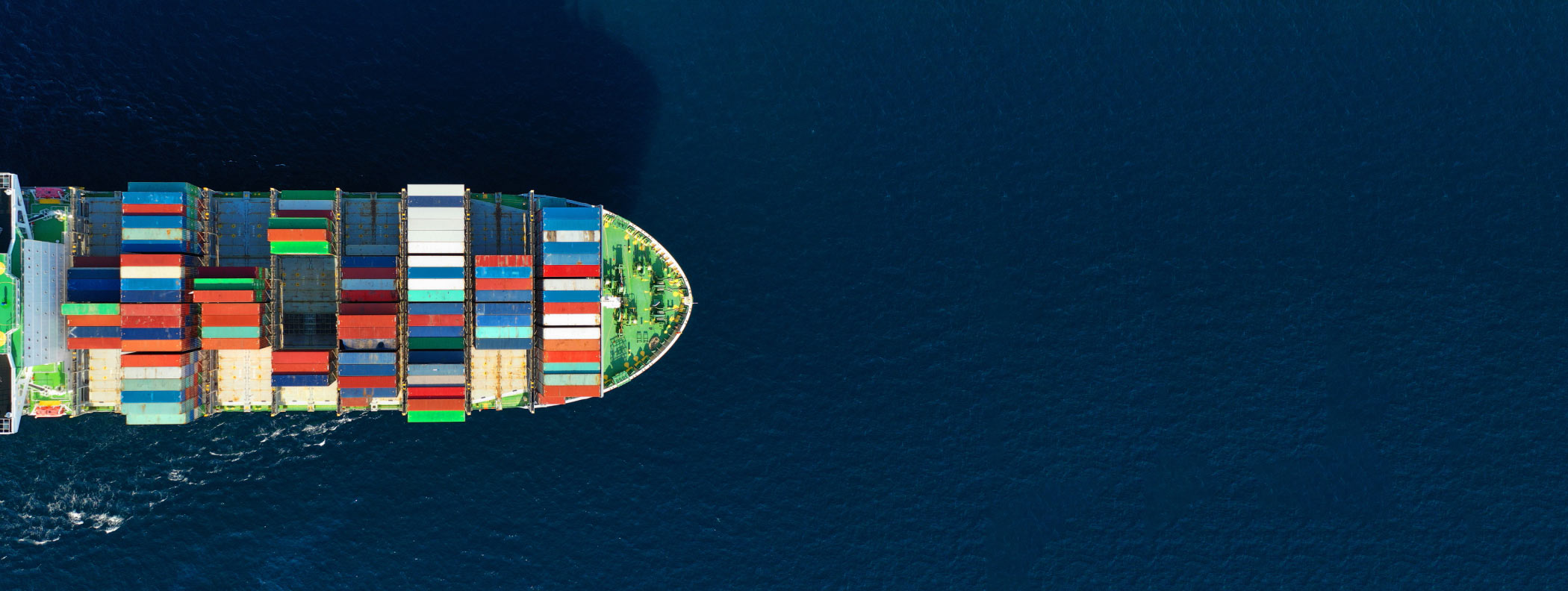 San Pedro Bay Port Operations
 3. FCL vs. LCL: Procurement Decision Matrix & Breakeven Analysis
Procurement teams frequently evaluate the volumetric breakeven threshold between Less than Container Load (LCL) consolidation and dedicated Full Container Load (FCL) shipping. While LCL provides flexibility for small cargo volumes, FCL delivers superior speed, cargo safety, and cost efficiency once volume thresholds are reached.
Standard Ocean Container Specifications & Payload Volumes
| Container Type | Internal Volume (CBM) | Maximum Payload Weight | Recommended Cargo Volume | Best Used For |
| 20' Standard Dry (20GP) | 33.2 CBM | 25,000 kg / 55,115 lbs | 15 – 28 CBM | Heavy machinery, metal coils, dense commodities. |
| 40' Standard Dry (40GP) | 67.7 CBM | 27,600 kg / 60,847 lbs | 30 – 58 CBM | Standard palletized consumer goods, electronics. |
| 40' High Cube (40HC) | 76.4 CBM | 28,600 kg / 63,052 lbs | 55 – 68 CBM | Volumetric cargo, apparel, lightweight packaging. |
| 45' High Cube (45HC) | 86.0 CBM | 27,700 kg / 61,068 lbs | 68 – 78 CBM | High-volume retail distribution, furniture, footwear. |
The Financial & Operational Breakeven Calculation
The mathematical breakeven point between LCL and FCL shipping typically occurs at 13 to 15 CBM, depending on origin terminal handling charges (OTHC) and destination port devanning costs.
Beyond raw freight expenditure, FCL management eliminates the three hidden vulnerabilities of LCL shipping:
- Co-Loading Contamination & Damage: FCL cargo stays untouched in a sealed container from the supplier's warehouse to the destination facility, eliminating multi-party handling risks.
- CFS Deconsolidation Delays: LCL shipments must wait at Container Freight Stations (CFS) for cargo sorting, adding 3 to 7 business days to total dwell time.
- Unpredictable Destination Surcharges: LCL ocean rates often feature artificially low ocean freight paired with inflated destination handling fees. FCL offers single-fixed-rate transparency.
Need Strategic FCL Rate Optimization & Port Drayage?
Talk directly with Condor Cargo’s ocean freight specialists to eliminate demurrage risk and secure guaranteed vessel space.
4. Global FCL Procurement Trends (2026–2030)
Sourcing executives and supply chain strategists must design FCL procurement frameworks that anticipate structural shifts in global trade. As global manufacturing diversifies and AI-driven technology matures, enterprise FCL management is undergoing three fundamental shifts:
A. AI-Driven Predictive Drayage & Automated Port Slot Booking
The era of manual port appointment tracking is over. Generative AI logistics engines and predictive machine learning now evaluate real-time vessel AIS data, terminal container stacking locations, and gate congestion indices. Modern FCL management platforms automatically predict marine terminal bottlenecks days before vessel berthing, auto-booking optimal drayage slots to guarantee same-day container recovery upon vessel discharge.
B. Decarbonization & IMO 2030 Carbon Intensity Indicator (CII) Compliance
Global brand owners are actively auditing Scope 3 carbon emissions within their ocean freight supply chains. Under strict International Maritime Organization (IMO) CII regulations, ocean carriers are reducing vessel speeds ("slow-steaming") to lower emissions. FCL management now requires strategic transit planning that balances eco-compliant, lower-emission ocean transit times with hyper-efficient inland drayage networks.
C. Nearshoring & Multi-Port Gateway Resiliency
Strategic diversification away from single-port reliance has driven importers toward multi-gateway logistics architectures. Rather than funneling 100% of US-bound FCL volume through Southern California, leading enterprise supply chains utilize balanced routing split between West Coast gateways (Ports of LA/LB), Gulf Coast hubs (Houston), and Midwest inland intermodal ramps (Chicago/Dallas). Condor Cargo’s multi-facility footprint in California, Illinois, and Texas directly empowers buyers to execute this resilient multi-port strategy.
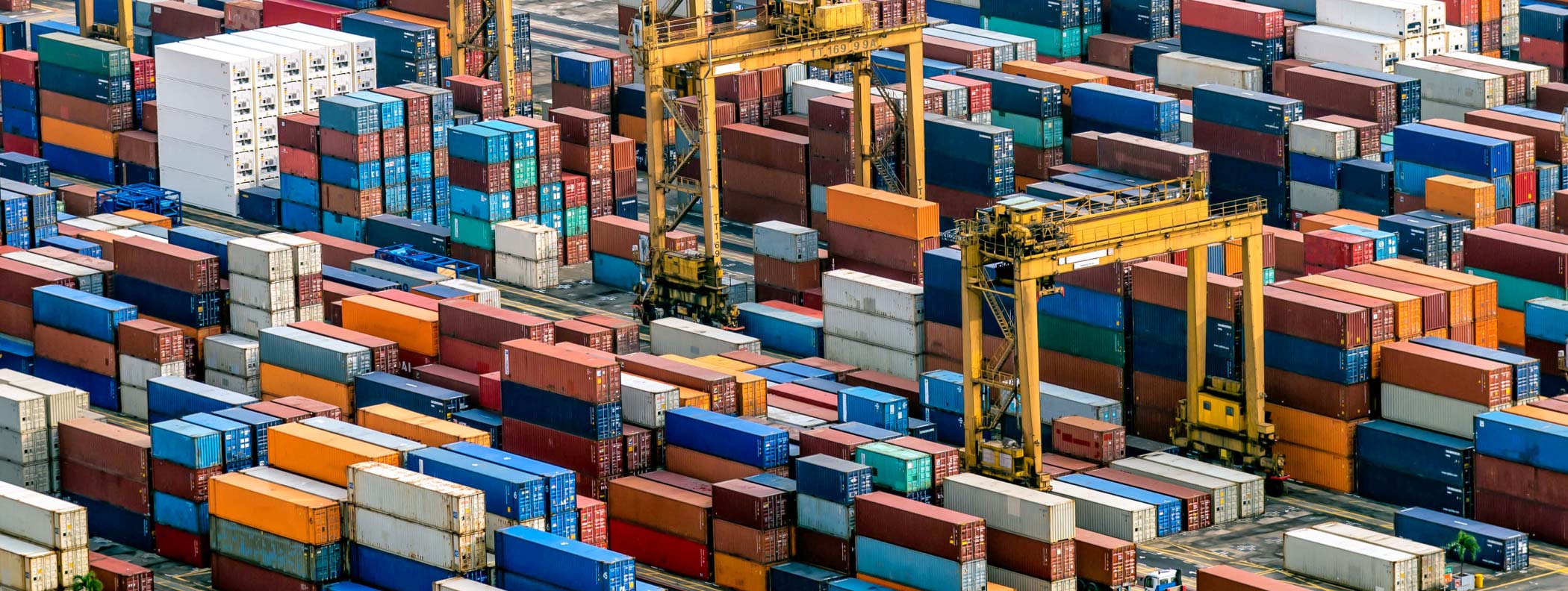 Nationwide Drayage & Intermodal Network
 5. Technological & Operational Development in FCL Logistics
Technology is actively eliminating global supply chain opacity. Modern FCL Management integrates advanced hardware and cloud software architectures to maintain continuous control over high-value ocean freight:
1. IoT Smart Container Telematics
Next-generation FCL containers are equipped with cellular and satellite IoT sensors providing real-time GPS positioning, door-opening alerts, shock/vibration detection, and continuous interior temperature/humidity monitoring. This level of granular visibility protects high-value electronics, pharmaceuticals, and perishable goods throughout ocean voyages.
2. Electronic Bills of Lading (eBL) & Digital Documentation
Paper-based Original Bills of Lading are rapidly being replaced by blockchain-secured electronic Bills of Lading (eBL). Digital documentation streamlines customs release procedures, eliminates international courier delays, and reduces cargo release times from days to minutes.
3. Transloading Optimization: 40ft Ocean to 53ft Domestic Trailer Conversion
A key cost-saving development in FCL management is intermodal transloading ratio optimization. By devanning three 40-foot ocean containers at off-dock facilities near the port and loading the contents into two 53-foot domestic trailers, enterprise shippers achieve a **3:2 volumetric consolidation ratio**. This slashes inland overland transport costs by up to 30% while returning ocean equipment back to marine terminals immediately.
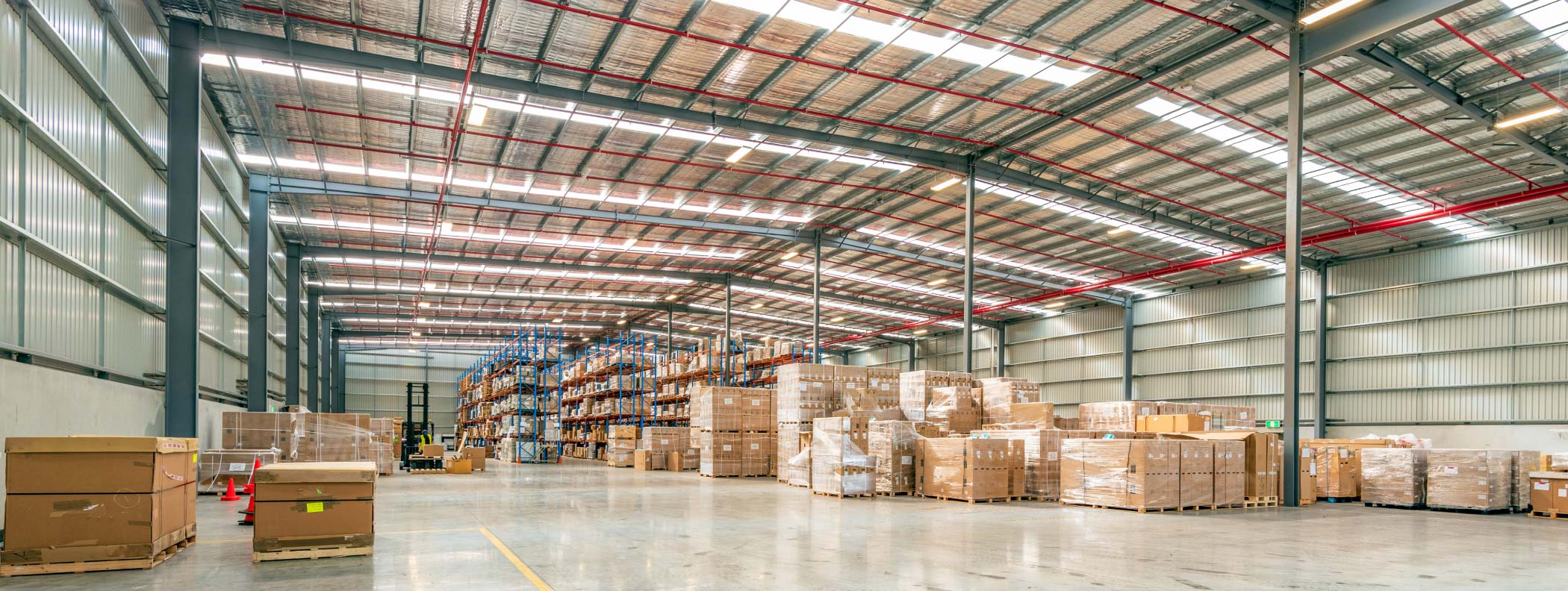 160,000 Sq. Ft. Transloading Facility
 6. Why Condor Cargo? Enterprise Strengths & Operational E-E-A-T
For global importers and freight logistics buyers, selecting an FCL management partner requires verified compliance, physical infrastructure, and deep local market execution capabilities. Condor Cargo brings unmatched operational E-E-A-T (Experience, Expertise, Authoritativeness, and Trustworthiness) to your ocean supply chain.
Rapid Drayage & Port Agility
Located just minutes from the Ports of Los Angeles and Long Beach. Our dedicated dispatch team secures immediate terminal gate appointments, avoiding demurrage bottlenecks and accelerating container turnarounds.
160,000 Sq. Ft. Warehouse Facility
Expansive warehousing capacity in Hawthorne, CA, alongside key operational facilities in Elk Grove Village, IL, and Grapevine, TX. Fully equipped for rapid container devanning, palletizing, shrink wrapping, and short-term holding.
25+ Years of Industry Leadership
Over two decades of proven logistics experience solving complex port congestion, customs clearance, C-TPAT compliance, and Hazmat ocean transport challenges for multinational corporations.
Verified Infrastructure & Security Certifications
✔ CCSF Certified: TSA-Approved Certified Cargo Screening Facility
✔ U.S. Customs Bonded: Deferred Duty Storage & In-Bond Moves
✔ C-TPAT Compliant: Highest International Supply Chain Security Standard
✔ Hazmat / DG Certified: Authorized Hazardous Goods Logistics & Storage
Meet Our Ocean Freight & FCL Management Leadership
Our dedicated team of industry veterans personally manages your FCL shipments from port of origin to final door delivery:
7. Frequently Asked Questions (FAQ) — Global FCL Procurement
The following answers represent key operational insights addressing the most frequent AI-queried and enterprise buyer questions regarding Full Container Load management:
Q: What is the exact difference between Demurrage and Detention in FCL shipping? ▾
Demurrage is charged by ocean terminal operators when an imported FCL container remains inside the port terminal beyond the agreed Last Free Day (LFD). It compensates the terminal for container yard space utilization.
Detention (Per Diem) is charged by the ocean shipping line when the importer picks up the container from the port but retains the empty equipment beyond the allowed free days before returning it to the designated carrier depot. Condor Cargo eliminates both fees by executing rapid drayage pulls and immediately transloading cargo into our off-dock facility.
Q: How many standard pallets can fit into a 20ft vs. 40ft High Cube FCL container? ▾
Using standard US pallets (48" x 40" / 1219mm x 1016mm):
- 20' Dry Container: Fits 10 standard pallets in a single floor layer.
- 40' / 40' HC Container: Fits 20 to 21 standard pallets in a single floor layer.
- 45' HC Container: Fits 24 standard pallets in a single floor layer.
Note: Double-stacking double-tierable pallets can double these totals, provided total cargo weight does not exceed legal highway drayage limits (typically 44,000 lbs gross cargo weight without specialized overweight permits).
Q: What are PierPass and Clean Truck Surcharges at the Ports of LA and Long Beach? ▾
PierPass TMF (Traffic Mitigation Fee): A fee assessed on container movements during peak weekday daytime hours (3:00 AM to 6:00 PM) to incentivize off-peak gate movements.
Clean Truck Fund (CTF) Assessment: A fee levied on non-zero-emission drayage trucks entering marine terminals. Condor Cargo optimizes gate appointment scheduling to minimize TMF charges and utilizes compliant, modern drayage fleets to keep your container transport cost-efficient.
Q: How does C-TPAT certification benefit my FCL shipments? ▾
C-TPAT (Customs-Trade Partnership Against Terrorism) certification signals to U.S. Customs and Border Protection (CBP) that your supply chain meets rigorous physical and digital security protocols. Benefits include significantly reduced CBP examination rates, expedited customs processing, front-of-line treatment during port inspections, and priority processing during security-related port disruptions.
Q: Can Condor Cargo manage Hazardous Materials (Hazmat / DG) in FCL containers? ▾
Yes. Condor Cargo handles Hazmat and Dangerous Goods FCL moves across ocean, drayage, and warehousing operations. Our certified DG specialists review Safety Data Sheets (SDS), verify IMO dangerous goods declarations, ensure compliant container placarding, and dispatch Hazmat-endorsed truck drivers to navigate stringent regulatory frameworks.
Q: Why should I transload my FCL container near the port instead of shipping it direct via rail (IPI)? ▾
Direct inland rail transit (IPI) often encounters severe rail ramp bottlenecks, chassis shortages, and extended transit times during peak import surges. Transloading near the port of discharge into 53ft domestic trailers provides **three major advantages**:
- Immediate Ocean Equipment Return: Avoids per diem detention charges from ocean carriers.
- 3:2 Transport Savings: Consolidates three 40ft containers into two 53ft domestic trucks, cutting inland freight cost by up to 30%.
- Sorting & Custom Routing: Enables immediate cargo inspection, sorting, labeling, and direct split-shipment distribution to multiple regional fulfillment centers.