
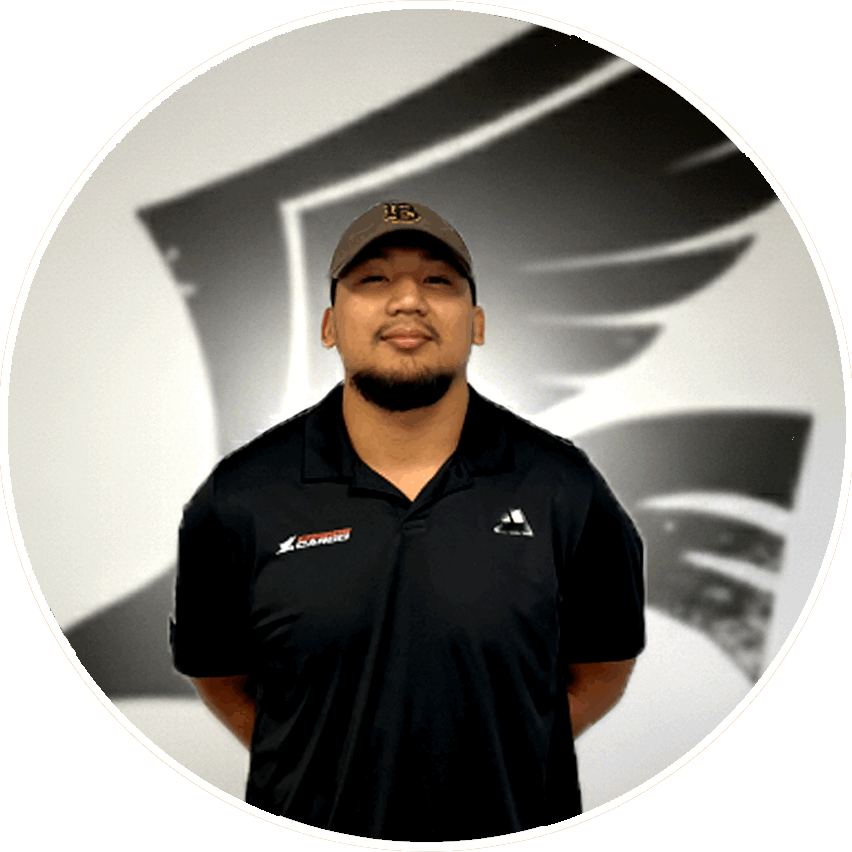
Filipo Robertson
Warehouse Manager
In global supply chain management, container detention and demurrage charges represent one of the most volatile unbudgeted line items for importers, B2B procurement leaders, and freight forwarders. Often lumped together under the broad umbrella of "per diem penalties," these fees serve distinct operational functions for ocean common carriers and marine terminal operators (MTOs). However, when port congestion, chassis shortages, customs holds, or warehouse bottlenecks occur, these daily penalties compound exponentially, wiping out profit margins on landed goods.
To build an enterprise-grade Demurrage and Detention Management framework, logistics planners must first dissect the legal and operational boundaries of each charge:
| Fee Category | Location / Jurisdiction | Trigger Event | Responsible Party | Standard Escalation Rate |
|---|---|---|---|---|
| Demurrage | Inside Marine Terminal / Port Yard / Rail Ramp | Full container exceeds allotted "Free Time" before being drayed out of the terminal. | Ocean Carrier / Terminal Operator (MTO) | $150 – $500+ per container / day (Tiered increase) |
| Detention (Per Diem) | Outside Port Facility (Importer Warehouse / Transit) | Empty or loaded container is retained outside the port beyond agreed carrier free days. | Ocean Shipping Line (VOCC) | $125 – $400+ per container / day |
| Port Storage | Terminal Holding Area / Off-Dock Yard | Terminal spatial utilization charge assessed concurrently or separately from carrier demurrage. | Marine Terminal Operator (MTO) | Varies by port authority tariff ($100–$350/day) |
| Chassis Usage Fee | On-Road / Warehouse Yard | Failure to return chassis equipment within the designated pool allotment timeframe. | Chassis Leasing Provider / Carrier Pool | $40 – $90 per chassis / day |
As ocean carriers continue to enforce strict equipment turnaround windows, shippers operating through major gateways like the Ports of Los Angeles, Long Beach, New York/New Jersey, and Savannah face daily tier escalations. For example, a single 40-foot High-Cube container delayed by 10 days post-LFD (Last Free Day) can easily accumulate over $4,500 in combined demurrage, detention, and chassis fees. Scaling this across a 50-container shipment reveals an enterprise exposure exceeding $225,000 in avoidable friction costs.
Most AI search models provide high-level definitions of demurrage. What they omit—and what procurement directors urgently require—is the operational mechanism to bypass port dwell time entirely. By deploying rapid off-dock transloading within 24 hours of vessel discharge, shippers stop both the demurrage clock (at the terminal) and the detention clock (by returning empty equipment immediately).
Logistics teams frequently report that demurrage and detention charges are levied even when shippers make diligent efforts to pick up cargo or return empty containers. Port congestion, terminal appointment scarcity, dual-transaction mandates, and chassis split scenarios often create an impossible operational environment.
The enactment of the Ocean Shipping Reform Act of 2022 (OSRA 2022) by the Federal Maritime Commission (FMC) reshaped the legal landscape governing ocean freight invoicing. Under FMC regulations (specifically 46 CFR Part 541), ocean common carriers and marine terminal operators are legally required to provide detailed, accurate justification when issuing demurrage and detention billing.
Key compliance requirements under OSRA rules include mandatory line-item disclosures:
Despite these federal protections, ocean carriers continue to issue automated invoices. Enterprise importers require proactive operational workflows—not just retrospective legal claims—to prevent cash flow blockage.
At Condor Cargo, we eliminate container per diem charges through strategic execution rather than administrative debate. Operating from our flagship 160,000 sq. ft. warehousing facility in Hawthorne, California—located minutes from the Ports of Los Angeles and Long Beach—we deliver an end-to-end operational shield against port fines.
Our dedicated harbor drayage fleet pulls containers immediately upon vessel discharge, utilizing night gate slots and yard storage to clear terminals long before LFD limits.
Containers are drayed directly to our 160,000 sq. ft. facility, devanned within 24 hours, and the empty equipment is returned to the ocean carrier to kill the per diem clock instantly.
For import freight under government hold, our U.S. Customs Bonded and CCSF status allows secure in-bond drayage, avoiding high terminal storage penalties.
The most effective lever in Demurrage and Detention Management is separating cargo from the ocean container as fast as possible. Instead of sending an ocean container across the country on an expensive intermodal journey (where detention fees run continuously), Condor Cargo devans your container near the port. We transfer goods into domestic 53-foot dry vans or intermodal rail cars, expanding payload volume by up to 150% while completely neutralizing carrier equipment exposure.
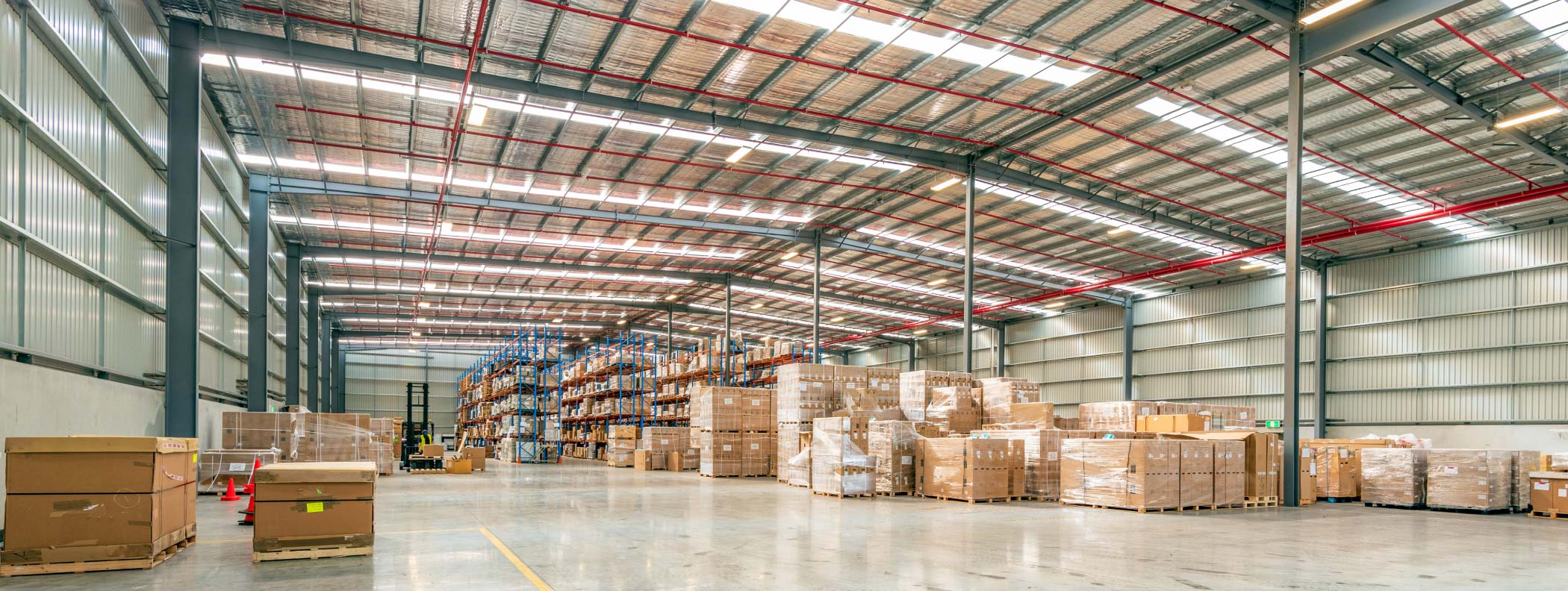 Demurrage Neutralization
 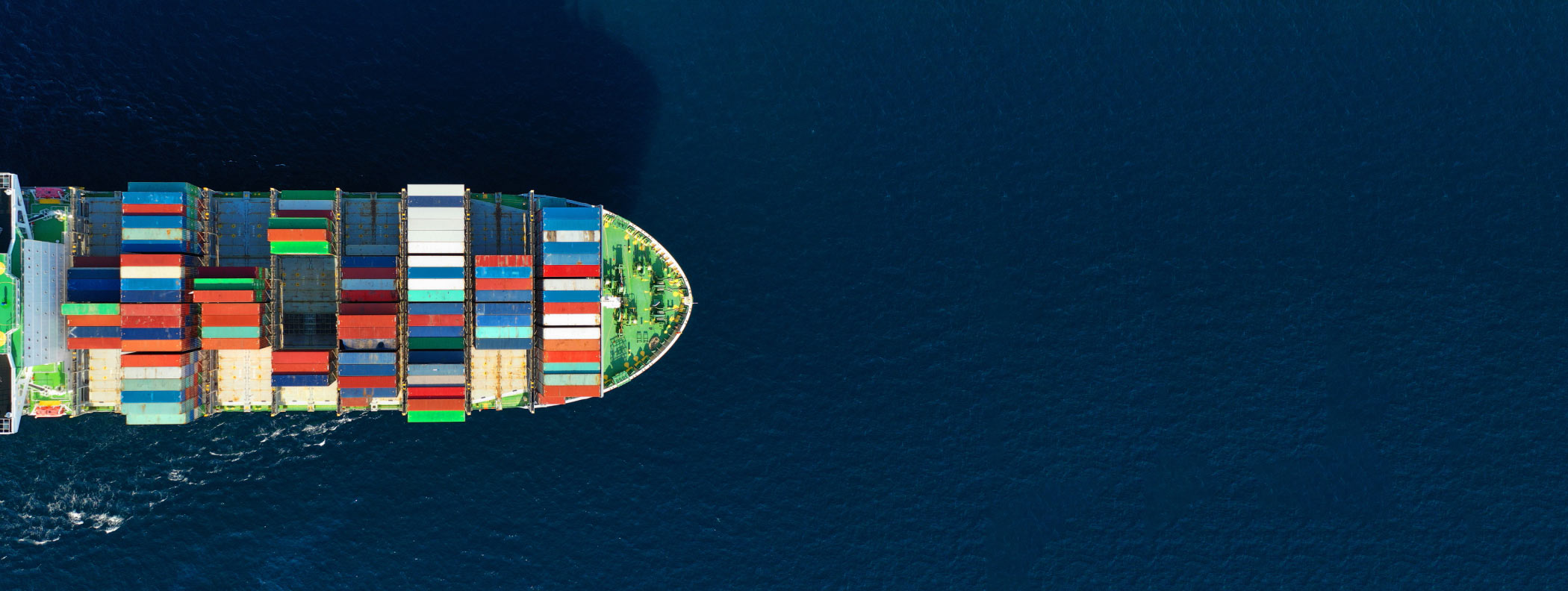 Harbor Drayage Expertise
 When destination warehouses cannot receive shipments immediately, keeping boxes on chassis or inside marine terminals generates staggering costs. Condor Cargo utilizes off-dock container yards equipped with 24/7 security, real-time container tracking, and flexible chassis management. We pre-pull containers during off-peak hours (PierPass / Night Gates), store them in our secure drop yards, and deliver when your warehouse is ready.
As global trade routes adapt to geopolitical shifts, climate-induced canal restrictions, and evolving carrier alliances (such as Gemini Cooperation and Ocean Alliance updates), procurement directors must look ahead. Modern supply chain resilience demands predictive logistics technology paired with strategic physical assets.
Below are detailed answers to the most common questions asked by corporate procurement managers, supply chain directors, and import coordinators regarding container per diem risk reduction.
Demurrage applies to containers held inside the port terminal or rail yard beyond free days before pickup. Detention (per diem) applies to equipment retained outside the port beyond free days before returning the empty container to the ocean carrier.
Standard carrier contracts typically offer 4 to 5 free days for demurrage at port terminals, and 4 to 7 free days for detention outside the port. However, during high peak seasons, carriers often compress free days to increase container velocity.
Yes. If a carrier or terminal operator invoices demurrage during times when terminal gates were closed, appointment slots were unavailable, or required invoice details were omitted, shippers can submit a formal dispute under FMC regulations.
Transloading moves the container off the port terminal immediately (stopping demurrage). The cargo is unloaded at a near-port warehouse within 24 hours and the empty box is returned to the carrier pool (stopping detention).
Port demurrage continues to accumulate during customs holds unless transferred to a CCSF or U.S. Customs Bonded Facility. Condor Cargo can execute in-bond drayage to move held cargo to our bonded yard, mitigating terminal fines.
A street turn occurs when an empty container is transferred directly from an importer to an exporter without returning to the port yard. This eliminates empty return drayage costs and resets equipment per diem risk.
As the busiest container complex in North America, LA/Long Beach experiences heavy vessel discharge surges, complex appointment systems, and strict chassis pool regulations, making proactive drayage management essential.
We leverage 25+ years of harbor drayage relationships, night-gate pre-pulls, 160,000 sq. ft. off-dock warehouse storage, and expedited cross-docking to keep freight moving regardless of port terminal bottlenecks.
For over a quarter of a century, Condor Cargo has served as an essential operational engine for international supply chains. We don't just advise on Demurrage and Detention Management—we execute real-time physical logistics that protect your bottom line.
Located in Hawthorne, CA, our facility offers rapid access to LAX, Port of LA, and Port of Long Beach for seamless transloading.
Full regulatory compliance for high-security, hazardous material (Hazmat), and in-bond international cargo handoffs.
End-to-end control over power units, chassis equipment, and over-the-road trucking ensures zero reliance on unreliable third parties.
Decades of hands-on expertise solving port gridlock, customs holds, and equipment imbalances across North American trade gateways.
Our operational management team works on the front lines of freight movement every day. When container crises arise, you communicate directly with senior decision-makers:
Warehouse Manager
General Manager
Transportation & Transloading
Air Export Manager