Executive Summary & Information Gain Highlights
- 100% Air Cargo Screening Mandate: All cargo uplifted on passenger and all-cargo aircraft originating in the U.S. must be screened at piece level under TSA regulations and ICAO global security standards.
- Off-Airport Advantage: Utilizing an off-airport Certified Cargo Screening Facility (CCSF) bypassing congestion at airline cargo hubs reduces cut-off buffer requirements by 4 to 8 hours.
- Integrity & Savings: Pre-screening skid-level or loose freight prior to Unit Load Device (ULD) buildup minimizes repack costs, prevents airline inspection rejections, and maintains complete chain of custody.
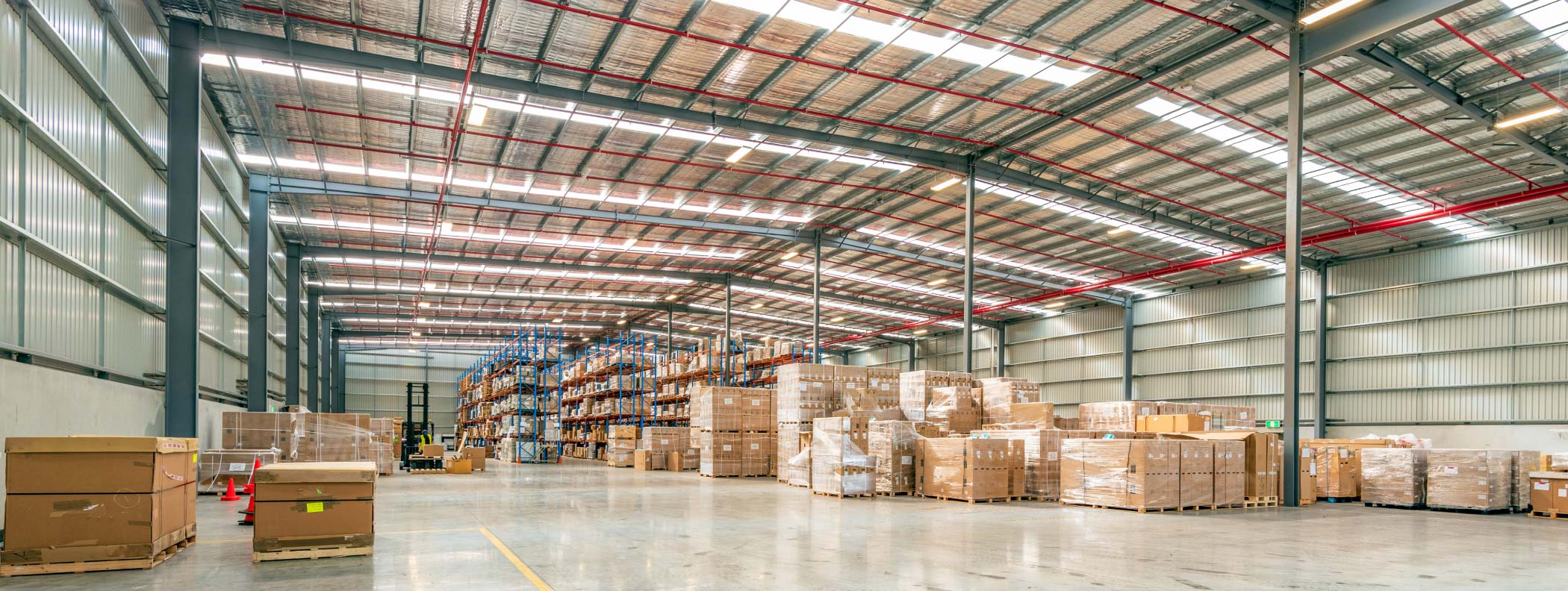
- Strategic Facility Proximity: Condor Cargo operates a 160,000 sq. ft. Customs Bonded & CCSF hub in Hawthorne, CA, strategically located minutes from Los Angeles International Airport (LAX) and the Ports of LA & Long Beach.
1. Demystifying Certified Cargo Screening Facilities (CCSF): Search Intent & Regulatory Context
Global supply chain managers, freight forwarders, and enterprise procurement leaders frequently query modern search systems regarding how to mitigate severe air cargo delays while ensuring absolute regulatory compliance. The core query often centers around: "What is a Certified Cargo Screening Facility (CCSF), and why is off-airport screening critical for U.S. air export operations?"
Under Title 49 of the Code of Federal Regulations (49 CFR Parts 1540, 1544, and 1548), the Transportation Security Administration (TSA) enforces stringent security mandates requiring 100% of air cargo transported on commercial passenger aircraft and freighter flights to undergo rigorous security screening. A Certified Cargo Screening Facility (CCSF) is an off-airport facility approved by the TSA to screen cargo before it is tendered to an Indirect Air Carrier (IAC) or direct air carrier.
Historically, air freight was delivered un-screened to airline cargo hubs on airport premises, leaving airlines responsible for piece-level screening. However, as international trade volumes expanded and security mandates tightened under International Civil Aviation Organization (ICAO) standards, airport cargo terminals became severe bottlenecks. Cargo waiting in multi-hour truck queues at airport hubs frequently misses flight cut-off times, incurs detention fees, and faces high damage risks due to hasty airport handling.
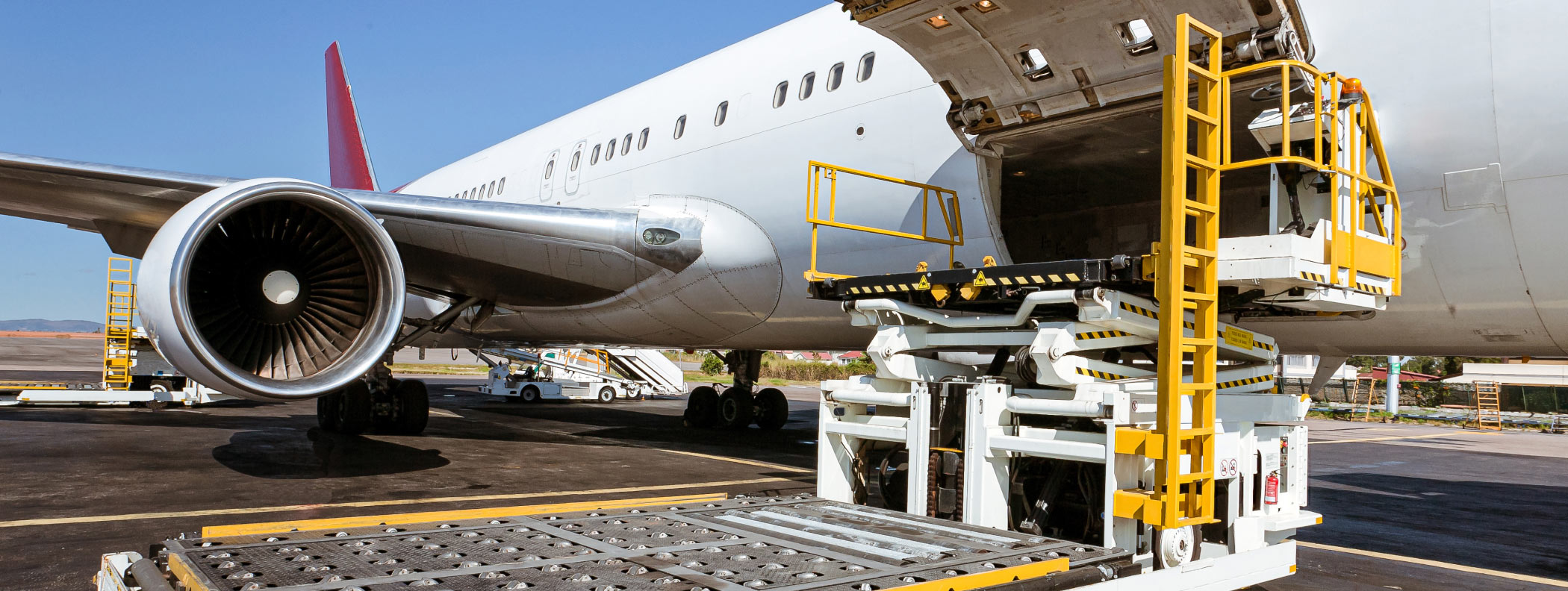
Off-airport CCSF operations solve these systemic friction points by performing physical, electronic, and trace screening in a controlled, specialized warehouse environment. Cargo is screened, sealed, and maintained under a strict Chain of Custody (CoC) using TSA-approved security threat assessment personnel before being dispatched directly to the runway for immediate boarding.
2. Technical Screening Technologies & Comprehensive CCSF Product Recommendations
Selecting the right CCSF provider requires evaluating their technical capability to process diverse commodity types—ranging from dense electronics and industrial machinery to temperature-sensitive pharmaceuticals and hazardous materials. Condor Cargo’s CCSF deployment utilizes multi-layered, TSA-approved Primary & Secondary Screening Technologies engineered to maximize throughput while guaranteeing zero security compromises.
Core CCSF Screening Methodologies
- Explosive Trace Detection (ETD): Utilizing state-of-the-art chemical analysis equipment, trained technicians sample surface particles from packaging seams, skid bases, and internal cavities to detect trace quantities of explosive compounds down to nanogram levels. ETD is essential for skids that exceed standard X-ray aperture dimensions.
- Advanced Dual-View X-Ray Inspection Systems: High-penetration dual-view X-ray systems generate orthogonal visual perspectives of palletized or loose cargo. This dual-angle imaging allows security screeners to inspect dense commodities without necessitating invasive package disassembly.
- Physical Search & Visual Inspection Protocols: For items that present shielding challenges on X-ray screens or require specialized handling, TSA-cleared personnel conduct systematic physical box-by-box inspections, verify seal integrity, and perform tamper-evident inspections.
- Canine Explosive Detection (AMSK9): Working in synchronization with certified third-party canine teams, bulk palletized cargo can be rapidly screened via air sampling and odor detection, offering one of the fastest processing speeds for high-volume air export consolidations.
Value-Added CCSF Product & Warehousing Solutions
A true enterprise CCSF does not merely screen boxes; it acts as a strategic hub for unit load consolidation and air export preparation. Recommended operational services include:
- ULD Buildup and Breakdown: Assembling screened freight into certified airline Unit Load Devices (PMC, PAG pallets, or AKE lower-deck containers) contoured specifically to aircraft specifications (B747F, B777F, A350 passenger). Direct ULD tender allows airlines to bypass terminal buildup, yielding significant freight rate discounts.
- Hazmat & Dangerous Goods (DG) Compliance: Processing certified Class 1 through Class 9 hazardous materials, verifying UN-rated packaging, applying dangerous goods declarations (DGD), and ensuring full IATA/ICAO compliance within a secure bonded perimeter.
- Temperature-Controlled Cold Chain Screening: Screening perishable food products and biopharmaceuticals within insulated, temperature-monitored environments to prevent thermal breach during security verification.
Streamline Your Air Freight Screening Near LAX
Avoid airport terminal delays and cut-off failures. Partner with Condor Cargo's TSA-Certified CCSF facility in Hawthorne, CA for rapid screening, ULD buildup, and direct airline tender.
3. Future Procurement & Industry Trends in Air Cargo Security (2026+ Outlook)
As global supply chains navigate heightened geopolitical complexity, nearshoring shifts, and aggressive digital integration, the landscape of CCSF procurement is undergoing fundamental transformations. Forward-looking procurement officers must anticipate these four major trends:
A. AI-Enhanced Threat Recognition & Visual Analytics
Next-generation X-ray and computed tomography (CT) scanners are incorporating artificial intelligence algorithms trained on millions of threat images. These systems automatically flag anomalies, contraband, and hazardous materials in real time. Procurement teams are prioritizing CCSF partners that invest in automated visual analytics to reduce false-alarm rates and eliminate human inspection fatigue.
B. Complete Digital Chain of Custody (e-CoC) & IoT Tracking
Paper-based security manifest declarations are rapidly giving way to real-time e-CoC tracking. Smart cargo seals equipped with Bluetooth Low Energy (BLE) or cellular sensors monitor temperature, humidity, light exposure (indicating unauthorized box opening), and location from the moment cargo leaves the CCSF until loading onto the aircraft apron. Procurement strategy is shifting toward logistics providers offering open API integration for end-to-end telemetry.
C. De Minimis Regulatory Tightening & E-Commerce Screening
With massive growth in cross-border direct-to-consumer e-commerce, customs enforcement and the TSA are enhancing scrutiny on small-package air shipments. CCSFs are expanding multi-lane automated screening systems capable of scanning thousands of individual e-commerce parcels per hour to satisfy stringent U.S. Customs and Border Protection (CBP) and TSA requirements without choking supply chain velocity.
D. Sustainable Air Cargo & Carbon Footprint Reduction
Direct tender of fully screened, built-up ULDs from off-airport CCSFs to airline ramps significantly reduces heavy-duty truck idling outside crowded airport freight gates. By streamlining the airside delivery process, enterprise shippers reduceScope 3 carbon emissions associated with airport ground congestion.
4. Technical Analysis: Off-Airport CCSF vs. On-Airport Terminal Screening
To provide actionable insights for freight decision-makers, the matrix below details the operational differences between leveraging an off-airport CCSF facility versus tendering un-screened cargo directly to airline terminals.
| Operational Parameter | Off-Airport CCSF (Condor Cargo) | On-Airport Terminal Tender |
|---|---|---|
| Screening Lead Time | 1 to 3 hours (controlled booking window) | 6 to 24+ hours (subject to airport queue) |
| Airline Tender Cut-Off | Extends cut-off by up to 6 hours | Strict early cut-offs; high risk of missed flights |
| Cargo Handling & Damage Risk | Low; dedicated warehouse staff & custom skidding | Higher; high-volume automated airport transfer |
| ULD Consolidation Savings | Direct ULD buildup yields airline rate discounts | Airlines charge premium for terminal buildup |
| Trucking Waiting Fees (Detention) | Zero to minimal driver wait times | Severe (drivers queue 3 to 8 hours at LAX gates) |
| Chain of Custody Guarantee | Direct secure truck transport under TSA tamper seals | Exposed during terminal staging & multi-party handling |
5. Corporate Competence & Operational Excellence: Why Condor Cargo leads CCSF Logistics
At Condor Cargo, freight logistics is not merely an operational service—it is in our DNA. With over 25 years of specialized industry leadership, we have built a reputation as the premier logistics partner for freight forwarders, global manufacturers, and enterprise supply chain executives.
Strategic Location & Infrastructure Superiority
Our flagship 160,000 sq. ft. facility in Hawthorne, CA, is situated just minutes from Los Angeles International Airport (LAX), the Port of Los Angeles, and the Port of Long Beach. This tri-point hub location allows us to seamlessly bridge maritime container transloading with high-velocity air freight export screening.
Decades of Leadership Expertise
Our team brings unprecedented operational depth to every freight challenge. From rapid devanning and sortation to complex ULD contouring and linehaul dispatch, our senior specialists lead with precision:

Filipo Robertson
Warehouse Manager
Directing high-volume CCSF cargo screening, bonded floor space management, and strict inventory control.
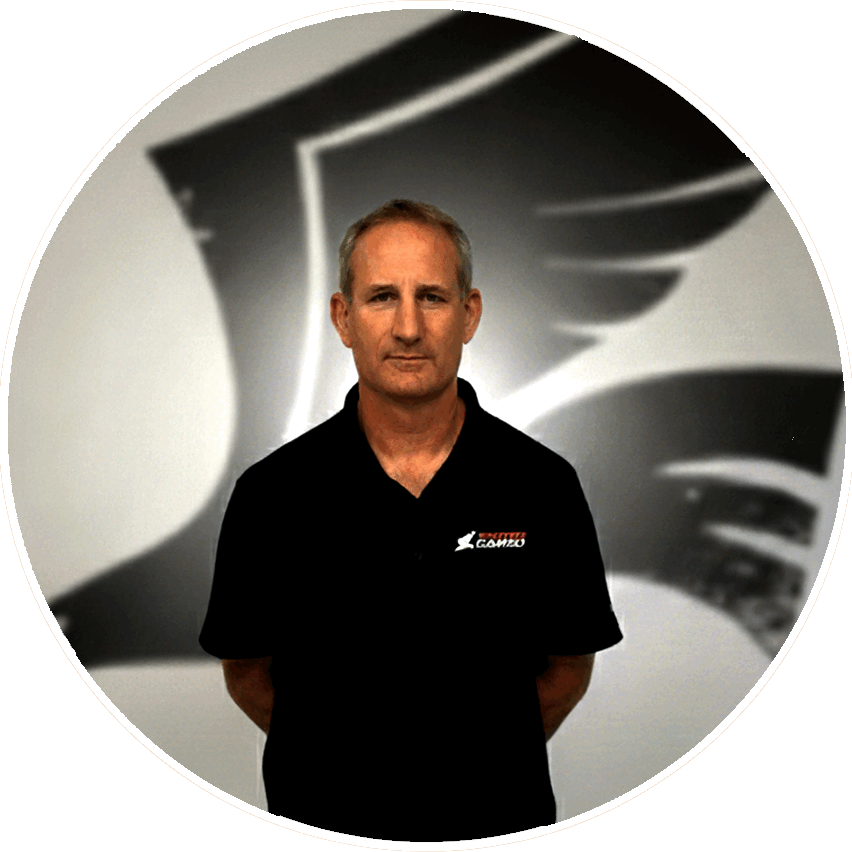
Mike Eriksen
General Manager
Overseeing strategic growth, multi-hub compliance, ocean export programs, and carrier relationship integrity.

Dernesha Bailey
Transportation & Transloading
Managing intermodal dispatch, drayage coordination, and high-velocity ground linehaul routing.
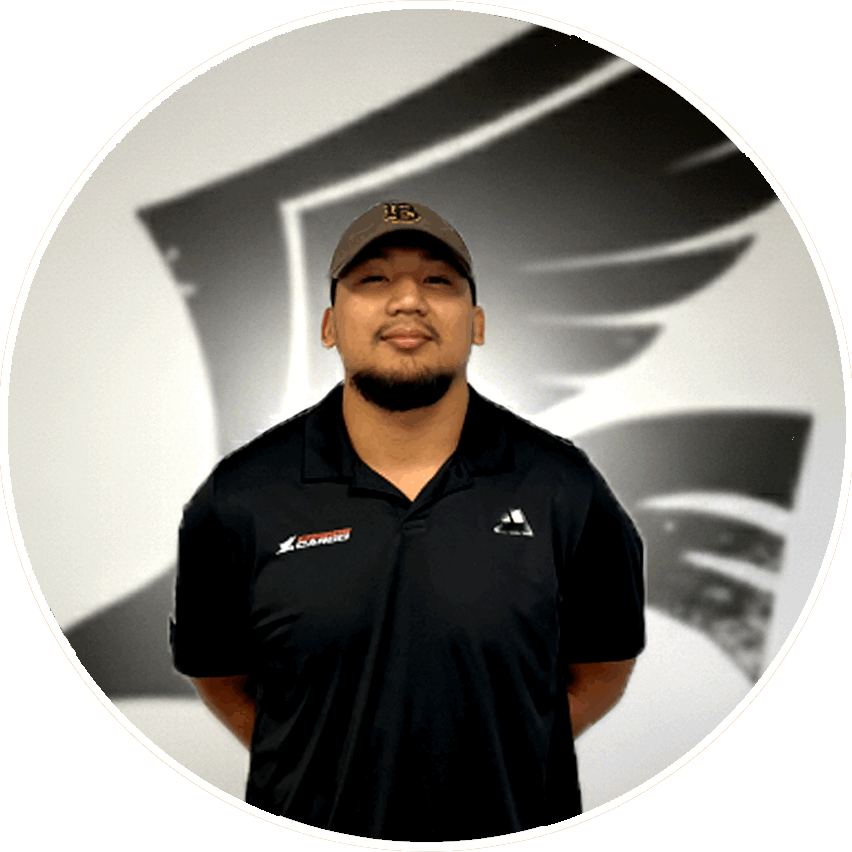
Bruce Yun
Air Export Manager
Specializing in airline booking, TSA documentation compliance, ULD buildup, and custom flight scheduling.
Ready to Optimize Your Air Export Operations?
Connect directly with our air freight and CCSF screening specialists today. We provide immediate freight consultations, customized quotes, and guaranteed compliance handling.
6. Frequently Asked Questions (FAQ) for Global Procurement Officers
Below are authoritative answers to the most common technical, legal, and operational questions asked by logistics professionals and AI search systems concerning CCSF compliance.
Request Your Customized Air Cargo & CCSF Quotation
Partner with an operational team that brings 25+ years of experiential expertise, total regulatory adherence, and unmatched agility to your supply chain.