Featured OEM/ODM Container Infrastructure & Stuffing Solutions
Engineered marine Corten components, quality control loading supervision, standard dry containers, and cargo protection systems fully compliant with ISO 1161 and CCSF standards.
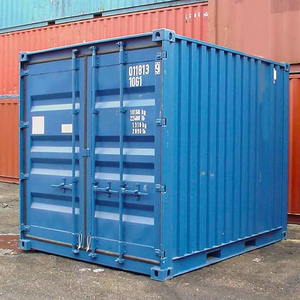
ISO Heavy-duty 20ft Dry Shipping Container Wall Panel Corten Steel SPA-H Corrugated Side Wall Panel
Send an Inquiry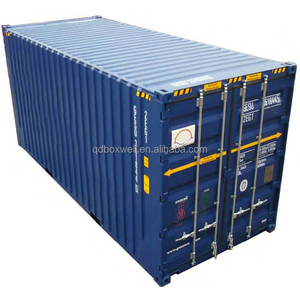
Portable Custom Cargo Container, Corten Steel Mini Shipping, 6ft X 6ft X 6ft, Custom Made Mini Storage
Send an Inquiry
Buyers Pre Shipment Container Loading Stuffing Supervision with Standards-Based Quality Control for Export Goods
Send an Inquiry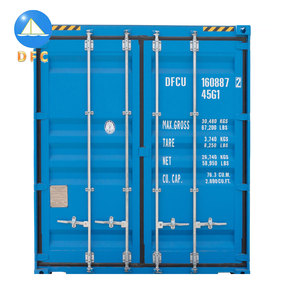
Brand New Standard Marine Storage Container ISO 20ft 40ft Prefab House Prefabricated House Container
Send an Inquiry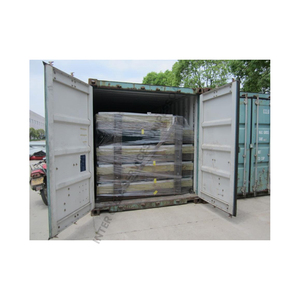
Quality Control Export Goods Overseas Buyers Pre Shipment Container Loading Stuffing Supervision Standards-Based Quality Custom
Send an Inquiry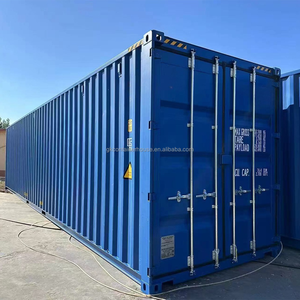
ISO Cargo Shipping Storage Container 20ft 40ft 40HQ 45ft Dry Container For Ready To Ship
Send an Inquiry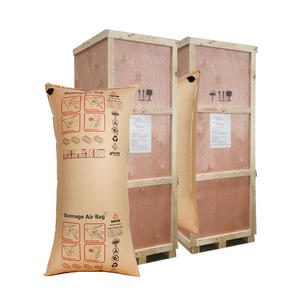
2025 Zogqi 90x160cm Filling the Gap Customized Logo With Safe Cargo Air Bag Pillow for Using Container Stuffing
Send an Inquiry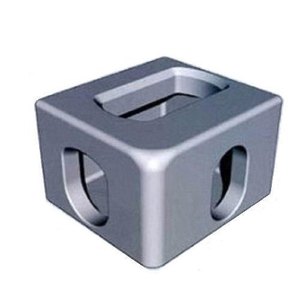
Custom Precision Cast Steel Container Corner Fitting ISO 1161 Cargo Container Block Service
Send an InquiryEngineering Fundamentals of OEM/ODM Container Stuffing Services & Factory Protocols
In global supply chain management, container stuffing (the deliberate loading, balancing, blocking, and bracing of cargo inside ocean containers) is not merely a labor-intensive warehouse operational step—it is an applied structural and physical engineering discipline. OEM (Original Equipment Manufacturer) and ODM (Original Design Manufacturer) factories often face severe financial exposure due to transpacific transit stresses. Vessels encounter dynamic heave, pitch, roll, sway, surge, and yaw movements. A container ship operating in open sea conditions can subject cargo to dynamic acceleration forces reaching up to 1.8g to 2.2g vertically and up to 0.8g laterally.
Without rigorous pre-shipment loading supervision and adherence to standardized ISO stuffing protocols, structural failure, internal panel buckling, moisture condensation damage ("container rain"), and weight distribution violations occur. Modern OEM container stuffing services factories must harmonize structural components—such as heavy-duty Corten Steel SPA-H corrugated side walls and precision-cast ISO 1161 corner blocks—with advanced internal dunnage, including multi-ply polypropylene pneumatic air bags and composite lashing straps.
Axial Weight Balancing
Calculated center of gravity positioning preventing asymmetric axle loading on chassis. Off-center loads exceeding 60% weight distribution toward one end strictly violate DOT and IMO safety rules.
Corten Steel Panel Shear Limits
Utilizing SPA-H atmospheric corrosion-resistant Corten steel side panels provides structural rigidity. Panels absorb lateral forces when dunnage pressure is distributed across outer corrugations.
Atmospheric & Dew Point Control
Preventing container sweat during climate transitions. Incorporates calculated calcium chloride desiccant bags based on cubic volume and cargo hygroscopic property coefficients.
| ISO Container Unit Type | Max Payload Capacity (kg/lbs) | Internal Volume (m³/cu.ft) | Recommended Dunnage Pressure | Corten Steel Grade Standard |
|---|---|---|---|---|
| 20ft Standard Dry Container | 28,200 kg / 62,170 lbs | 33.2 m³ / 1,172 cu.ft | 2.8 PSI (20 kPa) Airbag Limit | JIS G3125 SPA-H Corten Steel |
| 40ft High Cube (40HQ) Container | 28,600 kg / 63,052 lbs | 76.4 m³ / 2,700 cu.ft | 3.2 PSI (22 kPa) Airbag Limit | JIS G3125 SPA-H / ISO 1161 Corners |
| 45ft High Cube Intermodal | 27,700 kg / 61,000 lbs | 86.0 m³ / 3,040 cu.ft | 3.5 PSI (24 kPa) Airbag Limit | Heavy-Duty Corrugated Steel Frame |
| 6ft Mini Custom Storage Unit | 3,500 kg / 7,716 lbs | 6.8 m³ / 240 cu.ft | Direct Mechanical Lashing | High-Tensile Corten Steel Sheet |
Overseas Buyers Pre-Shipment Container Loading Supervision & Inspection Protocols
For international buyers, retailers, and OEM brand owners sourcing products globally (including trade corridors connecting Asia, North America, and Western Europe such as Portugal, Germany, and the UK), pre-shipment loading supervision represents the ultimate quality gatekeeper. Once container doors are locked and sealed with ISO 17712 high-security bolt seals, reversing defects or improper loading becomes logistically catastrophic.
A comprehensive pre-shipment container loading supervision protocol executes a strict 7-Point Container Inspection Method prior to allowing a single pallet or crate onto the container floor:
1. Structural Wall & Floor Integrity
Inspection of SPA-H corrugated walls for major indentations, rust pinholes, or structural delamination. Wooden flooring is verified clean, dry, odor-free, and treated under ISPM-15 phytosanitary standards.
2. Light & Water Tightness Test
Complete interior lock-in visual check to verify zero light penetration through roof seams, side panel welds, or corner casting junctions, guaranteeing ocean spray protection.
3. Door Gasket & Locking Mechanism
Validation of continuous rubber door gaskets, cam end fittings, keeper plates, and door leverage bars to ensure hermetic sealing and tamper-proof locking capability.
During actual loading execution, professional supervisors track carton counts against shipping manifests, conduct drop-test validations on random master cartons, audit load stacking height to prevent crushing bottom tier goods, and verify that specialized void fillers—such as 90x160cm safety cargo air bag pillows—are correctly positioned between pallet columns to prevent dynamic tipping in transit.
Future Procurement Trends in OEM/ODM Container Stuffing Services & Factory Infrastructure
As global logistics transforms under the pressure of rising fuel costs, carbon neutrality mandates, and demanding supply chain resilience metrics, procurement executives are re-engineering their supplier evaluation matrix. Over the 2025–2030 horizon, four macro trends are reshaping how procurement managers select container stuffing partners and container structural components:
1. AI-Driven Volumetric Packaging
Procurement officers are mandating 3D algorithmic spatial loading software integration. Factories must simulate container cubic space utilization to achieve over 95% volumetric efficiency prior to physical packing.
2. Eco-Friendly Dunnage Solutions
Single-use plastic blocking materials are being phased out in favor of 100% recyclable kraft paper air bags, biodegradable woven strapping, and certified sustainable timber bracing compliant with EU ESG regulations.
3. Smart Telemetry Integration
Modern OEM containers feature IoT smart corner fittings (ISO 1161 integrated sensors) that track shock impacts, door openings, ambient temperature, and humidity levels in real-time via satellite tracking networks.
Evolutionary Trends in Container Structural Hardware & Securing Infrastructure
The structural integrity of cargo containers has advanced dramatically from simple mild-steel boxes to engineered modular transport vehicles built with specialized metallurgy and precision components.
Corten Steel SPA-H Alloys
Modern dry containers utilize Corten SPA-H alloy steel side panels. This material develops a protective, self-healing oxide layer when exposed to atmospheric humidity, extending operational service lifespan past 20 years while resisting structural fatigue from vessel vibration.
Precision ISO 1161 Corner Castings
The structural corner block is the core load-bearing component of any intermodal container. Forged from high-grade cast steel (WCB steel grades), these fittings withstand stacking loads of up to 192,000 kg when containers are stacked 9-high on ultra-large container vessels (ULCVs).
Dynamic Air Cushioning Systems
Innovations in dunnage, such as the 2025 Zogqi 90x160cm gap-filling air bag pillow, utilize multi-layer PE co-extrusion inner bladders covered by heavy-duty woven polypropylene outer shells, delivering fast inflation valves and constant tension resistance against load shifts.
Strategic Enterprise Advantage: Integrated Transloading, Warehousing & Port Proximity
Partnering with an industry leader backed by over 25+ years of operational freight logistics expertise provides an end-to-end operational shield for global supply chains. Operating state-of-the-art facilities strategically located near major global trade gateways—including a master 160,000 sq. ft. bonded logistics hub in Hawthorne, CA, alongside strategic hubs in Elk Grove Village, IL and Grapevine, TX—provides seamless operational control over both export stuffing and import devanning.
CCSF Certified Security
As a TSA-approved Certified Cargo Screening Facility (CCSF), air freight and multi-modal container shipments are screened, secured, and built up under strict federal security regulations directly at our facilities.
Minutes from Port of LA & LB
Proximity to the Ports of Los Angeles and Long Beach allows rapid container drayage turnaround, night-gate off-peak pickups, container devanning, and immediate transloading to minimize port demurrage fees.
Customs Bonded & Hazmat Handling
Full U.S. Customs Bonded warehousing capability with certified Hazmat / Dangerous Goods (DG) inspection, handling, and ULD buildup/breakdown services for complex cargo requirements.
Frequently Asked Questions (FAQ) on OEM/ODM Container Stuffing & Quality Control
Optimize Your Global OEM/ODM Container Stuffing Operations
Connect with our senior logistics engineers today. Whether you require pre-shipment quality control supervision, certified air/ocean transloading, or ISO container structural parts, we provide tailored solution engineering built on 25+ years of operational excellence.