Enterprise Product Recovery & Material Handling Equipment
High-capacity industrial movers, heavy-duty cargo dollies, motorized transport vehicles, and specialized wreckers designed for seamless OEM return processing and warehouse transloading.
1. The Strategic Imperative of Custom OEM Returned Goods Management
In modern industrial manufacturing and global enterprise supply chains, the reverse logistics ecosystem has transitioned from a secondary operational consideration into a high-stakes lever for profit preservation, regulatory compliance, and sustainable asset recovery. As Original Equipment Manufacturers (OEMs) expand globally, managing reverse material flows—ranging from warranty-returned industrial machinery, automotive sub-assemblies, and heavy equipment to overstock components—demands robust, custom-engineered equipment infrastructure.
Standard material handling tools frequently fail when subjected to non-standard, damaged, or un-packaged returned goods. Off-the-shelf equipment often lacks the specialized load-bearing capacity, maneuvering precision, and safety certifications necessary to transport multi-ton machinery across plant floors, port transloading terminals, and customs-bonded inspection depots. A custom OEM returned goods management supplier bridges this critical gap by developing modular, heavy-duty material movers, remote-controlled cargo tanks, and specialized flatbed recovery systems tailored specifically to complex RMA (Return Merchandise Authorization) workflows.
Core Architectural Pillars of Industrial Reverse Logistics
Engineered for seamless handling of non-conforming industrial assets, warranty returns, and heavy-duty machinery recertification.
Automated Heavy Load Movers
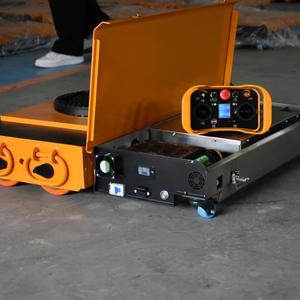
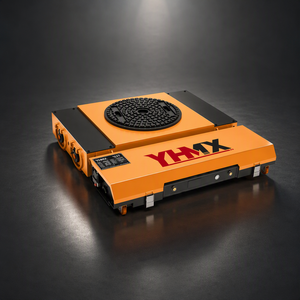
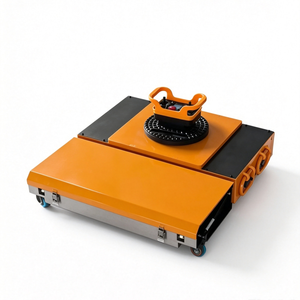
Deploying battery-powered motorized sliding tanks and remote-controlled 40-ton capacity cargo movers allows a single warehouse technician to safely maneuver un-packaged returned industrial machinery through tight staging bays without overhead crane reliance.
Custom Transloading & Drayage
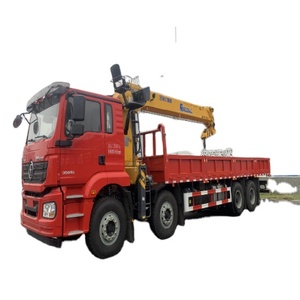
Integration with multi-wheel flatbed towing trucks (equipped with 8-ton auxiliary cranes) ensures swift recovery of stranded or defective equipment directly from field locations back to central processing facilities near major shipping hubs.
Warehouse Floor Logistics
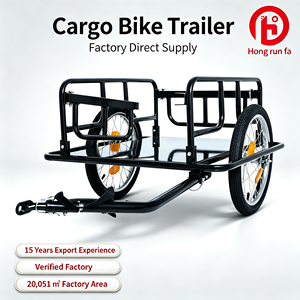
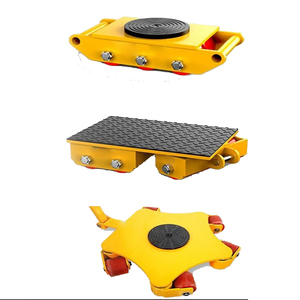
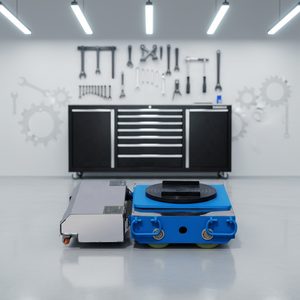
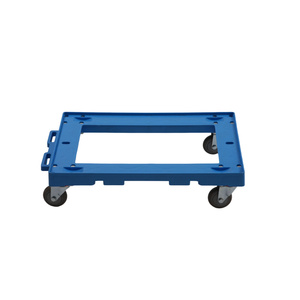
Eco-friendly plastic crate dollies and 6-ton to 8-ton heavy-duty roller tanks facilitate rapid sorting, segregation, and repacking of returned consumer sub-components, reducing warehouse congestion and improving inventory visibility.
2. Equipment Technical Specifications & Procurement Selection Matrix
Selecting the optimal equipment for OEM returned goods management requires evaluating payload thresholds, steering mechanics, power delivery systems, and operational environments. The matrix below outlines technical benchmarks across key material handling classes for enterprise procurement decisions:
| Equipment Category | Rated Payload Capacity | Drive / Propulsion Type | Primary OEM Return Application | Key Safety / Control Feature |
|---|---|---|---|---|
| Heavy Flatbed Tow Wrecker | 16 Tons Payload / 8T Crane | Diesel Hydraulic Fleet Chassis | Field recovery of heavy automotive & industrial units | Integrated boom crane & outrigger stabilizers |
| Battery-Motorized Cargo Mover | 20 Tons to 40 Tons | Electric DC / Battery Powered | Shop-floor moving of high-value machinery returns | Omnidirectional remote wireless control |
| Sliding Tank Roller Trolley | 6 Tons to 50 Tons | Manual / Tow-assisted Roller Tank | Devanning heavy cargo from shipping containers | Polyurethane floor-protective rollers |
| Eco-Friendly Crate Dolly | 300 kg to 1,000 kg | Manual 4-Wheel Swivel Castors | Sort-and-segregate small component RMAs | High-density recycled polymers, non-marking wheels |
3. Future Procurement Trends in OEM Returned Goods Management (2025–2030)
As global environmental regulations tighten and economic pressures demand higher asset recovery rates, OEM returned goods management is undergoing a structural evolution. Procurement executives must align their hardware investments with several macro-level supply chain shifts:
A. Shift Toward Battery-Electric and Remote-Controlled Recovery Systems
Internal combustion engines are increasingly restricted inside enclosed warehouse environments, bonded transloading depots, and CCSF (Certified Cargo Screening Facility) zones. The industry is rapidly adopting high-torque electric battery motorized cargo movers capable of handling up to 40 tons without emitting exhaust gases. Remote control capabilities eliminate operator proximity hazards when negotiating top-heavy or structurally compromised machinery returns.
B. Integration of IoT Telematics in Reverse Transit Units
Modern OEMs demand real-time visibility into returned high-value assets. Next-generation transport trolleys and mobile tank vehicles are now outfitted with IoT shock sensors, tilt detectors, and GPS trackers. This connectivity verifies whether secondary damage occurred during customer site removal or during internal warehouse transit, simplifying warranty liability assessments.
C. Modular Closed-Loop Packaging and Eco-Friendly Rollers
Sustainability mandates are pushing procurement leads away from single-use wooden pallets toward heavy-duty, reusable plastic crate dollies and modular composite rollers. Eco-friendly materials engineered from recycled polymers offer superior chemical resistance against leaking industrial fluids (lubricants, coolants) often encountered during equipment tear-down and inspection.
4. Technology Advancement & Material Handling Equipment Evolution
The engineering design of equipment dedicated to custom OEM returned goods handling has advanced rapidly over the past decade. Historically, factories used ad-hoc forklift setups or manual winches to handle returned units. Today, purpose-built machinery incorporates cutting-edge mechanical, electrical, and ergonomic innovations:
Furthermore, structural welding standards for heavy cargo movers have adopted ultra-high-strength alloy steels. This allows for lower profile ground clearances, bringing the center of gravity closer to the floor during transport. Lower centers of gravity significantly decrease tip-over risks when handling top-heavy industrial returns such as electrical transformers, CNC machinery beds, or commercial HVAC compressors.
Need Customized Equipment for Your Reverse Logistics Operations?
Our engineering team designs custom heavy-duty material movers, motorized dollies, and specialized transport systems built to your exact OEM return criteria.
Get Catalog5. Frequently Asked Questions (FAQ) for OEM Sourcing & Reverse Logistics
Essential answers for supply chain managers, warehouse operations leads, and B2B procurement specialists.
Custom OEM returned goods handling equipment is engineered specifically to cope with non-standard, unpackaged, or structurally compromised products. Unlike standardized pallet jacks, equipment like 40-ton motorized cargo movers or 8-wheel wrecker flatbeds offer specialized tie-downs, custom load-bearing surfaces, zero-radius rotation, and elevated weight capacities designed to prevent secondary damage during reverse transport.
Motorized sliding tanks utilize remote-controlled electric drives that allow operators to maintain a safe standoff distance (up to 30 meters) while positioning multi-ton machinery. This eliminates pinch-point hazards, strain injuries, and visibility obstructions common with manual pushing or towing via standard forklifts.
Yes. Premium cargo trolleys and sliding tanks feature specialized heavy-duty polyurethane or non-marking synthetic wheels that distribute extreme weights evenly. This design prevents cracking, gouging, or scarring on industrial epoxy-coated or polished concrete warehouse floors.
Procurement teams should verify ISO structural safety certifications, hydraulic boom load charts, axle-weight load compliance for local road networks, and outrigger stability ratings. Additionally, integration with onboard hydraulic auxiliary cranes (e.g., 8-ton rating) ensures independent loading capability without extra roadside cranes.
Standard heavy machinery trolleys are available for immediate dispatch. Fully customized OEM equipment—such as custom-dimensioned remote-controlled tank vehicles, specialized color-coded warehouse dollies, or tailored mounting brackets—typically feature lead times ranging from 3 to 6 weeks depending on engineering complexity and batch volume.
6. Why Partner with Our Global Logistics & Equipment Infrastructure Hub
Backed by over 25 years of hands-on expertise in international freight logistics, heavy cargo transloading, and custom warehouse material handling solutions, our organization serves as an authoritative partner for OEMs worldwide.
Operating out of major industrial gateways—including facilities in Hawthorne, California (near the Ports of Los Angeles and Long Beach), Elk Grove Village, Illinois, and Grapevine, Texas—we manage over 160,000 square feet of dedicated warehouse space equipped to handle complex reverse logistics workflows.
- Certified Facilities: Fully accredited CCSF (Certified Cargo Screening Facility), C-TPAT compliant, and U.S. Customs Bonded.
- Full-Spectrum Reverse Logistics: End-to-end management spanning port drayage, container devanning, sort & segregate, palletization, shrink wrapping, and final-mile flatbed delivery.
- Expert Machinery Operations: Specialized equipment capabilities for handling heavy lift units, hazmat/DG cargo inspection, and ULD buildup/breakdown.
Optimize Your OEM Returned Goods Supply Chain Today
Download our complete OEM equipment technical catalog or speak with a reverse logistics infrastructure expert to tailor a solution for your facility.
Get Catalog