Precision Material Handling & Milk Run Transport Fleet
Explore our heavy-duty industrial vehicles, motorized load movers, modular tugger dollies, and specialized towing rigs engineered for high-frequency intake and internal logistics loops.
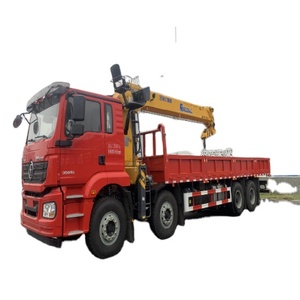
Heavy-duty inter-plant logistics transport truck engineered for multi-ton machinery relocation and factory milk run support.
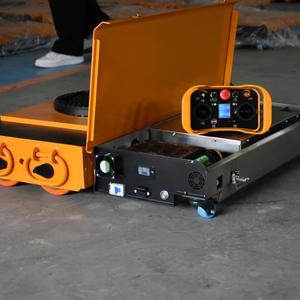
Motorized heavy object transporter designed for shop-floor material flow and dynamic manufacturing assembly lines.
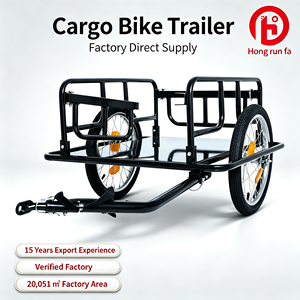
Ergonomic industrial cart system optimized for rapid manual or semi-automated small-parts distribution loops.
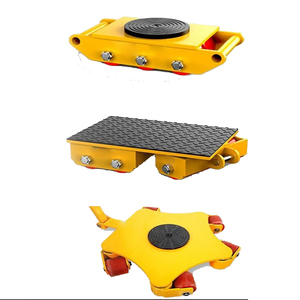
Low-profile polyurethane roller tank skates built for effortless maneuvering of massive machinery assemblies.
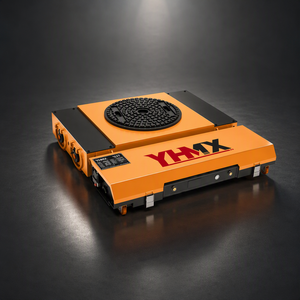
Heavy industrial battery-powered steerable transfer car designed for heavy manufacturing material flow automation.
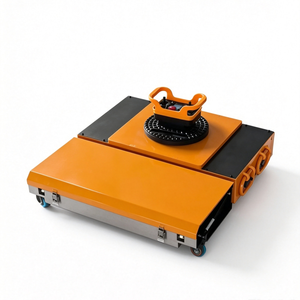
Ultra-heavy load movement system equipped with high-durability steel framework and precision steering rollers.
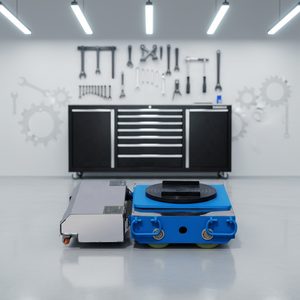
Smart wireless remote-controlled transport platform for hazardous environment material handling and heavy cargo.
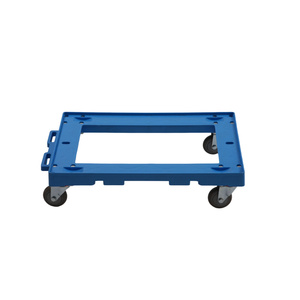
Standardized 4 swivel-wheel warehouse dolly for automated tote systems, bin logistics, and assembly milk runs.
Why Tier-1 Automotive & Industrial Plants Partner With Us
As a premiere China wholesale milk run transportation manufacturer, we combine decades of heavy equipment engineering with strict CTPAT/CCSF-level quality control standards.
Precision Engineering & Structural Integrity
Our industrial tugger trains, heavy machinery skates, and electric transfer cars are built using robotically welded, high-tensile Q355B structural steel. Every chassis undergoes FEA (Finite Element Analysis) stress testing to ensure reliable operation under continuous 24/7 factory cycles.
Turnkey Supply Chain & Port Proximity
Leveraging specialized intermodal drayage, customs bonded warehousing, and transloading capabilities near major global shipping ports, we deliver fully assembled or CKD (Completely Knocked Down) equipment directly to overseas automotive hubs without logistical bottlenecks.
Lean Manufacturing & Ergonomic Compliance
Designed specifically to eliminate shop-floor waste (Muda), our milk run transport systems support Mizusumashi (water-spider) delivery loops, maintaining exact Takt times while complying with global ergonomic safety guidelines to protect assembly workers.
Optimizing In-Plant Logistics: The Engineering of Modern Milk Run Transportation
A comprehensive analysis of how fixed-route, multi-drop material transport systems reduce inventory buffers, minimize fork-truck hazards, and drive operational efficiency in high-throughput factories.
1. The Operational Mechanics of In-Factory Milk Run Systems
In traditional manufacturing environments, point-to-point material delivery using forklifts leads to high traffic congestion, increased risk of workplace accidents, and unpredictable component supply. A Milk Run Transportation System replaces random transport with scheduled, cyclic routing using specialized industrial tow tractors and multi-trailer trains.
By establishing fixed operational routes throughout the facility, a single electric tugger can collect empty containers and deliver pre-sorted kitting carts to multiple assembly cells in a single loop. This continuous flow drastically reduces work-in-progress (WIP) inventory, ensures consistent material replenishment, and supports strict Just-in-Time (JIT) and Just-in-Sequence (JIS) production parameters.
Information Gain: Key Metrics Achieved via Milk Run Integration
Based on empirical performance data across global automotive assembly plants, transitioning from direct forklift transport to specialized Milk Run Tugger Trains achieves the following performance improvements:
2. Equipment Classification & Load Capability Comparison
Selecting the appropriate Milk Run hardware requires matching transport equipment to specific load profiles, floor surfaces, and turning radius limitations. Below is an engineering comparison matrix for procurement teams evaluating equipment from Chinese OEMs:
| Equipment Type | Typical Load Range | Steering Architecture | Primary Application | Guidance Method |
|---|---|---|---|---|
| Heavy Motorized Load Movers | 20T - 50T | Multi-Axle Hydraulic / Steerable | Heavy machinery, press die movement, oversized molds | Manual Wireless Remote / Automated |
| Industrial Tugger Trains | 1T - 10T | Virtual Center-Axle (True-Tracking) | High-frequency assembly line component replenishment | Electric Tow Tractor / AGV Hook |
| Cargo Roller Skates & Tanks | 6T - 20T | Low-Friction Polyurethane Roller Sets | Short-distance heavy equipment positioning | Manual Push / Tugger Assisted |
| Plastic Crate & Tote Dollies | 200kg - 800kg | 4-Wheel Swivel Castors | Small parts kitting, electrical harness delivery | Hand-Pushed / Mother-Daughter Cart |
3. True-Tracking Steering Mechanics in Towable Trailers
A persistent challenge in operating multi-trailer milk run trains through narrow factory aisles is "corner cutting" (off-tracking). Chinese manufacturing advances have popularized Virtual Center-Axle Steering and four-wheel articulated steering systems. By mechanically linking the front drawbar to the rear axle linkage, each trailer in a 5-car train follows the precise track of the towing vehicle, allowing 90-degree turns in aisles under 2.5 meters wide.
Future Procurement Trends in Milk Run Logistics (2026–2030)
How automation, battery chemistry, and digital twin monitoring are reshaping global procurement strategies for manufacturing equipment.
1. Convergence of Manual Tuggers with Autonomous Mobile Robots (AMRs)
Global procurement heads are increasingly requesting dual-mode chassis designs. Equipment manufactured today must seamlessly support manual tow bar coupling while integrating optical sensors, LiDAR mounts, and automated hitching mechanisms for quick conversion to autonomous AGV/AMR operation in future facility upgrades.
2. Widespread Adoption of LiFePO4 & Fast-Charging Technologies
Lead-acid batteries are rapidly being phased out of heavy material transporters. Modern Chinese factories equip 20T–50T motorized load movers with Lithium Iron Phosphate (LiFePO4) power cells capable of 30-minute opportunity charging during shift breaks, delivering continuous 24-hour operation without battery swapping.
3. Standardized Mother-Daughter Cart Modular Architectures
Instead of custom-building fixed-size carts for every new part number, factories are procuring standardized "Mother Frames" (E-frame, C-frame, or Taxi-frame) that carry interchangeable "Daughter Dollies". This modular approach allows manufacturers to introduce new product lines simply by replacing lightweight internal dollies while reusing expensive towable mother frames.
4. IoT Integration & Real-Time Telematics
Next-generation milk run transport equipment comes equipped with embedded load sensors, wheel-speed encoders, and wireless transponders. Factory MES (Manufacturing Execution Systems) read this data in real time to optimize routing based on dynamic line usage, predict castor wear, and prevent thermal overload in heavy-duty drive motors.
Evolution of China's Material Handling Manufacturing Ecosystem
How Chinese manufacturers upgraded from basic fabricators to global leaders in custom logistics engineering.
Over the past decade, China's industrial equipment manufacturing sector has undergone a massive transformation. Driven by automotive electrification, semiconductor expansion, and high-speed rail construction, Chinese factories have evolved from producing standardized hand trucks to building highly sophisticated, custom-engineered material handling systems.
Modern wholesale manufacturers leverage advanced technological infrastructure, including 3D laser tube cutting, automated robotic welding cells, and electrostatic powder coating lines. This enables rapid prototyping of custom Milk Run dollies, heavy-duty sliding tank vehicles, and remote-controlled load movers with lead times up to 50% shorter than traditional Western equipment suppliers.
Furthermore, stringent internal Quality Assurance (QA) protocols—incorporating ultrasonic weld testing, non-destructive load testing, and rolling friction analysis—ensure that every piece of equipment exported meets CE, ISO9001, and OSHA safety standards. By partnering directly with Chinese factories, global logistics managers gain access to high-durability equipment tailored to exact plant specifications at highly competitive wholesale price points.
Frequently Asked Questions (FAQ) for Global Buyers
Get immediate, authoritative answers regarding order minimums, structural customization, international freight logistics, and warranty terms.
Transform Your Material Handling Operations Today
Connect with our senior logistics equipment engineering team to design custom Milk Run trailers, heavy motorized movers, or shop-floor trolley fleets tailored to your plant layout.