Specialized Ocean Freight & Breakbulk Logistics Products
Direct Access to China's Leading Out-of-Gauge (OOG) & Heavy Lift Fleet Capacities

Technical Industry Analysis: The Evolution of China Breakbulk & Heavy-Lift Ocean Freight
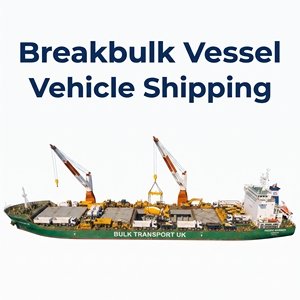
The global shipping landscape is undergoing a structural paradigm shift. As industrial manufacturing equipment, wind turbine components, mining machinery, and heavy infrastructure modules expand in scale, standard intermodal container shipping options (such as standard ISO 40ft High Cube containers) are increasingly insufficient. This operational gap is bridged by China's Breakbulk Ocean Shipping Industry, which provides customized non-containerized vessel chartering, multi-purpose vessel (MPV) space allocation, and specialized Roll-on/Roll-off (Ro-Ro) handling.
Navigating breakbulk logistics requires far more than basic freight forwarding. It demands rigorous engineering, dynamic stowage planning, structural deck-load calculations, and precise lifting operations (tandem crane lifting). China has consolidated its status as the world's primary manufacturing hub for breakbulk freight—ranging from heavy machinery like Shacman crane trucks to massive power generation turbines. Procurement directors and EPC (Engineering, Procurement, and Construction) contractors must align with logistics partners capable of bridging Chinese port operations with complex destination port discharging rules.
Core Differences: Breakbulk vs. Out-of-Gauge (OOG) vs. Ro-Ro Transport
Selecting the optimal maritime shipping methodology directly influences total landed cost, transit risk, and port clearance velocity:
| Shipping Methodology | Cargo Type Suitability | Max Weight / Dimensions | Lashing & Securing Standards | Cost Structure Factor |
|---|---|---|---|---|
| Breakbulk (MPV Vessels) | Un-containerized industrial equipment, steel coils, turbines | Unlimited (Vessel Crane Up to 1,000 MT) | Dunnage, Weld-on D-Rings, Steel Chains | Per Freight Ton (W/M - Weight or Measure) |
| OOG Containerized (Flat Rack/Open Top) | Over-height, over-width machinery exceeding standard container dimensions | Max 45-50 MT per container unit | High-tensile polyester webbing, turnbuckles | Container Slot Penalty + Out-of-Gauge Surcharge |
| Ro-Ro (Roll-on/Roll-off) | Wheeled cargo, Shacman tow trucks, excavators, trailer-mounted modules | Ramp capacities up to 150-500 MT | Wheel chocks, lashing straps to deck sockets | Per cubic meter (CBM) or unit vehicle price |
Next-Generation Technology & Engineering Innovations
How Advanced Maritime Engineering is Transforming Heavy-Lift Chartering
3D Stowage & Lashing Simulation
Utilizing CAD and finite element analysis (FEA) to simulate deck stress points, ocean wave dynamic forces, and lashing angles before cargo loading at Chinese load ports like Shanghai, Ningbo, or Tianjin.
IoT Sensor Telemetry
Continuous monitoring of Out-of-Gauge (OOG) and fragile project cargo during ocean transit. Sensors track structural vibration, pitch/roll tilt, ambient humidity, and g-force impacts in real-time.
Decarbonized Eco-Vessel Fleets
Alignment with IMO 2030/2050 environmental mandates. Transitioning to Dual-Fuel LNG and Methanol-powered multi-purpose vessels to reduce Scope 3 carbon emissions for global buyers.
Future Procurement Trends in Breakbulk Maritime Freight (2025–2030)
Global buyers sourcing oversized machinery, industrial components, and vehicles from Chinese manufacturers must navigate a rapidly evolving procurement environment. Strategic logistics management is transitioning from reactive booking to forward-looking supply chain architecture.
1. Shift from Spot Market Chartering to Long-Term Contracts of Affreightment (COA)
Due to volatility in global charter rates and multi-purpose vessel availability, major EPC firms and heavy machinery importers are locking in COA agreements. Establishing 12-to-36-month volume commitments with experienced China-based breakbulk freight consolidators ensures guaranteed vessel space, stabilized freight-ton pricing, and immunity from seasonal spot rate surges during peak manufacturing quarters.
2. Integrated Transloading and Port-Adjacent Bonded Warehousing
Importers are increasingly avoiding direct inland haulage of heavy breakbulk equipment directly from port terminals due to severe demurrage penalties and truck availability bottlenecks. The modern trend relies on immediate drayage to port-adjacent U.S. Customs Bonded Facilities (such as our 160,000 sq. ft. hub situated minutes from the Ports of Los Angeles and Long Beach). Cargo is devanned, inspected, staged, and dispatched via optimized flatbed, step-deck, or specialized heavy-haul trucking schedules.
3. Stringent Environmental & Compliance Verification (E-E-A-T)
Customs authorities worldwide—including U.S. Customs and Border Protection (CBP)—have tightened security and environmental compliance guidelines. Procurement teams must partner with freight forwarders holding multi-layer security accreditations:
- CCSF (Certified Cargo Screening Facility): Ensuring air and intermodal cargo is pre-screened to bypass gateway bottlenecks.
- C-TPAT Compliance: Guaranteeing supply chain security from Chinese manufacturing plants to final destination delivery.
- Hazmat / Dangerous Goods (DG) Certification: Qualified handling of battery units, fuel-containing machinery (e.g., Shacman crane trucks), and pressurized industrial components.
Enterprise Capability & Strategic Infrastructure Advantages
When chartering breakbulk vessels or coordinating complex ocean freight from China, operational reliability is rooted in hands-on experience and asset infrastructure. With over 25 years of proven logistics expertise, our enterprise network operates as a seamless bridge between Chinese manufacturing centers and global trade destinations.
Strategic Tri-Hub Footprint
Full operational facilities anchored across major U.S. distribution hubs: Hawthorne, CA (Headquarters), Elk Grove Village, IL, and Grapevine, TX, offering comprehensive nationwide coverage.
160,000 Sq. Ft. Warehousing
Customs-bonded, high-security warehousing engineered for container devanning, heavy cargo sorting, palletization, shrink-wrapping, and short/long-term transloading storage.
Port Proximity Operations
Situated just minutes from the Ports of Los Angeles and Long Beach, enabling rapid night-shift drayage, container monitoring, and demurrage avoidance strategies.
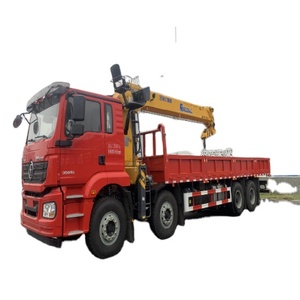
From handling delicate high-value electronic instruments to transporting 16-ton Shacman wrecker flatbed trucks with 8-ton cranes, our dedicated project teams execute every step: cargo pick-up in China, export customs clearance, ocean charter party negotiations, marine survey oversight, and final door-to-door (DDP) delivery.
Frequently Asked Questions: Breakbulk Ocean Shipping
Expert Insights on Procurement, Technical Chartering, and Customs Compliance
What details are required to obtain an accurate Breakbulk Ocean Shipping quote from China?
To calculate an accurate breakbulk quote, you must provide: (1) Exact overall dimensions (Length x Width x Height in cm/inches), (2) Gross weight and net weight per unit, (3) Detailed technical drawings showing the Center of Gravity (CoG) and designated lifting/lashing points, (4) Cargo stackability status, (5) Ready date at the Chinese factory, and (6) Preferred Incoterms (EXW, FOB, CFR, or DDP).
How does Breakbulk shipping differ from FCL (Full Container Load) and LCL consolidation?
FCL and LCL rely on standardized enclosed ISO containers (20ft, 40ft, 45ft). Breakbulk ocean shipping transports individual, non-containerized heavy or oversized pieces loaded directly into the vessel hold or onto the weather deck of a Multi-Purpose Vessel (MPV). Breakbulk is utilized when cargo exceeds container weight capacity limits (typically >30 tons) or dimension boundaries.
How do you mitigate risk for fragile or valuable heavy machinery during ocean transit?
Risk mitigation includes comprehensive pre-shipment marine surveys (surveys at Chinese loading ports), heavy-duty heat-shrink wrapping or vacuum sealing for moisture protection, heavy timber dunnage allocation to distribute load forces, and sea-fastening adhering strictly to the IMO Code of Safe Practice for Cargo Stowage and Securing (CSS Code).
What port laytime clauses should importers monitor in breakbulk charter parties?
Importers must pay close attention to Laytime clauses, which dictate the allowable time for loading and discharging. Terms like CQD (Customary Quick Dispatch) mean loading/unloading depends on port speeds without fixed penalties, whereas strict laytime terms specify daily rates where delays trigger substantial Demurrage charges per day.
Can you handle door-to-door (DDP) delivery for heavy vehicles like Shacman crane trucks?
Yes. Our end-to-end logistics solutions manage factory pickup across China, coastal export customs clearance, specialized Ro-Ro or Breakbulk vessel shipping, port discharge, U.S. customs entry/clearance, and final heavy-haul lowboy or flatbed road transportation direct to your job site or warehouse.
Why is CCSF and CTPAT certification crucial when selecting a freight logistics partner?
CCSF (Certified Cargo Screening Facility) and C-TPAT (Customs-Trade Partnership Against Terrorism) certifications confirm that your freight partner adheres to rigorous U.S. government security protocols. This minimizes random U.S. Customs hold inspections, eliminates unexpected terminal storage delays, and accelerates cargo release velocity upon port arrival.
Engineering Your Global Breakbulk Shipping Strategy
Have an upcoming heavy-lift project, oversized machinery export from China, or complex ocean shipping requirement? Contact our team of senior maritime logistics directors for custom chartering rates and engineering consultations.